Manny Barreda as Mark DeRosa frames U.S.-Mexico stakes for 2026 showdown

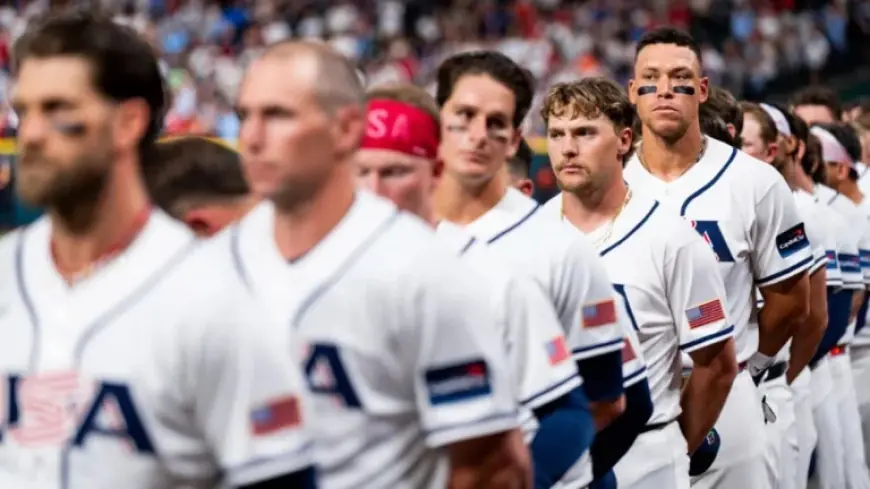
manny barreda is the focus point here as Mark DeRosa, the manager of the United States team, publicly expressed full confidence in his roster ahead of a highly anticipated 2026 World Baseball Classic matchup against Mexico. The exchange reveals how quickly pregame messaging can harden into bulletin-board material, even when a coach insists his comments were narrowly aimed at preparation rather than provocation.
Manny Barreda and Mark DeRosa rebut Benji Gil’s roster doubt
Mark DeRosa’s remarks came after Benji Gil, the manager of Mexico, questioned whether the U. S. roster truly includes the 30 best players in the world. DeRosa responded by emphasizing that he understood how “a small thing” that gets said can be taken out of context, framing the dispute as more about interpretation than direct insult.
DeRosa described the chain of comments that led to the controversy: he was asked how he prepares to face a team that had not yet announced its starting pitcher. His answer, as he explained it, was that he did not care who the starter would be, because his main concern was his own team. DeRosa added that if the statement gets used as motivational material by the opponent, that was not his intention.
The pattern points to a familiar dynamic in high-profile international matchups: the closer the game gets, the more each side’s language is scrutinized for perceived slights. In this case, the confirmed trigger is narrow and specific—Mexico had not announced a starter, and DeRosa framed his preparation accordingly—yet it still escalated into a broader debate about roster quality.
Mexico, United States, and Group B pressure shape DeRosa’s message
DeRosa repeatedly anchored his comments in respect for Mexico and its performance in the tournament, saying he has “a lot of respect” for the way Mexico has played. He also singled out respect for Mexico’s players and for Benji Gil personally, reinforcing that his confidence in the U. S. group was not meant to diminish the opponent.
One immediate structural implication of DeRosa’s framing is that he positioned the matchup primarily as a standings-defining contest. He described it as an important game that will define the fate of Group B, underscoring that the point is to win the group and advance. The data suggests that when a coach emphasizes advancement rather than emotion, he is trying to narrow the team’s focus to controllable objectives—especially when the surrounding conversation is dominated by comparisons and perceived disrespect.
DeRosa also pushed back on the idea that the game should be treated as payback for the loss suffered in 2023. Asked whether he viewed the game as an opportunity for revenge, he said no. Instead, he described a vivid memory of 2023 that nevertheless feeds into his respect: he recalled two home runs by Joey Meneses and mentioned Randy Arozarena, using those details to underline that Mexico’s players are “fantastic. ”
That choice matters because it shows a deliberate pivot. Rather than denying the sting of the prior result, DeRosa acknowledged specific moments from it, then redirected the meaning toward competitive respect and present-day stakes. In a rivalry where emotions are easy to manufacture, his confirmed emphasis was on the group outcome, not settling accounts.
Mexico’s 2006–2023 rivalry edge complicates any U. S. confidence
The historical record stated in the context adds tension beneath DeRosa’s confidence. Mexico and the United States have faced each other four times in the World Baseball Classic. The only U. S. victory came in 2006, and Mexico carries a three-game winning streak in the rivalry.
That complicating factor does not contradict DeRosa’s confidence, but it does define the risk of his messaging. The pattern points to an asymmetry: Mexico can lean on recent results in the rivalry, while the United States must justify confidence amid a run of losses in this specific matchup history. DeRosa’s approach—insisting he is focused on “ourselves” and highlighting respect—functions as a way to avoid giving Mexico additional fuel while still projecting belief in his roster’s talent.
Even so, the unresolved element remains practical rather than rhetorical: DeRosa’s original answer was tied to Mexico not having announced its starting pitcher. Until that starter is named, his preparation stance is, by his own account, intentionally non-specific toward the opponent. If Mexico’s decision on its starter holds as a key variable, the data suggests DeRosa will continue centering controllables—confidence in his group and the goal of winning Group B—rather than tailoring the public narrative to any single matchup detail.
For now, manny barreda remains the keyword anchor as DeRosa’s message stays consistent: high respect for Mexico, no appetite for revenge talk, and a direct focus on a Group B result that determines who advances.