U.S. Ground Forces Needed to Secure Iran’s Enriched Uranium, Sources Reveal

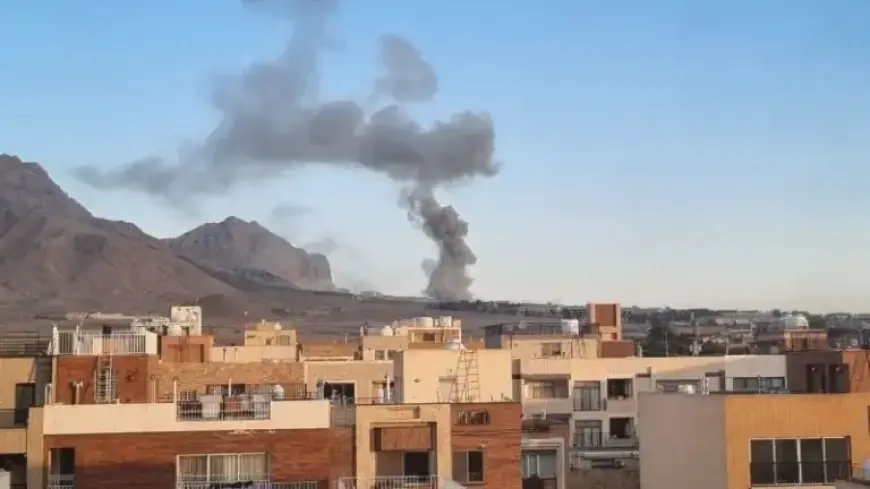
Significant U.S. ground forces may be necessary to secure Iranian enriched uranium, deepening military engagement in the region. Reports indicate a crucial need for troops beyond the current limited special operations presence. Current and former officials familiar with military strategy revealed that a large-scale operation is expected to retrieve remaining stockpiles, particularly from Iran’s Isfahan nuclear facility.
The Challenge of Iran’s Enriched Uranium
Despite a U.S. bombing campaign targeting three Iranian nuclear sites last year, not all enriched uranium was destroyed. Major portions are thought to be stored underground at Isfahan, where accessibility has improved in recent months. Sources note that after U.S. airstrikes, efforts have been underway to clear debris and gain access to hidden tunnels.
Estimates of Uranium Stocks
- Approximately 200 kilograms of highly enriched uranium are estimated to remain at Isfahan.
- Some additional stockpiles are located at the Natanz facility.
- Current enrichment levels are around 60%, raising concerns about potential weaponization since nuclear weapons require enrichment above 90%.
U.S. officials highlight that Iran asserts its uranium production is solely for peaceful energy pursuits. However, growing international concerns continue about the potential military applications of Iran’s nuclear capabilities.
Military Operations and Risks
Should the U.S. administration proceed with a mission to recover the uranium, it could represent a significant escalation of military involvement in the region. Logistics and risks complicate the matter. Military airstrikes alone are ineffective for penetrating the Isfahan tunnels due to a lack of ventilation shafts that would allow for easier access.
Potential Military Coordination
Discussions have surfaced regarding the deployment of elite units from the Joint Special Operations Command, potentially working alongside Israeli forces. This operation would require a broad support structure, including:
- Tactical ground troops for area security.
- Logistical teams to assist with nuclear materials.
- Specialized units for explosive ordnance disposal.
Sources emphasize that a large-scale mission would likely necessitate a mix of elite forces, logistic support, and overhead air cover, indicating substantial manpower needs.
Strategic Considerations and Assets
Currently, several MC-130J aircraft are stationed at RAF Mildenhall in the U.K., positioned strategically for potential missions related to Iran. These aircraft are designed for covert operations, facilitating infiltration and exfiltration of commandos in hostile territories.
Political Dynamics in Iran
On the ground, Iranian resilience against U.S. and Israeli airstrikes continues. The recent appointment of Mojtaba Khamenei, son of former Supreme Leader Ali Khamenei, signals Iran’s determination to withstand external pressures. Such developments underscore the possibility that a combination of military action and diplomatic engagement may be essential for addressing the issue of Iran’s enriched uranium stocks.
Given the substantial risks and logistical challenges involved, U.S. military and diplomatic strategies must evolve significantly if they intend to eliminate Iran’s remaining capabilities effectively.