Cuba Vs Puerto Rico clash spotlights Puerto Rico’s run prevention as stakes rise

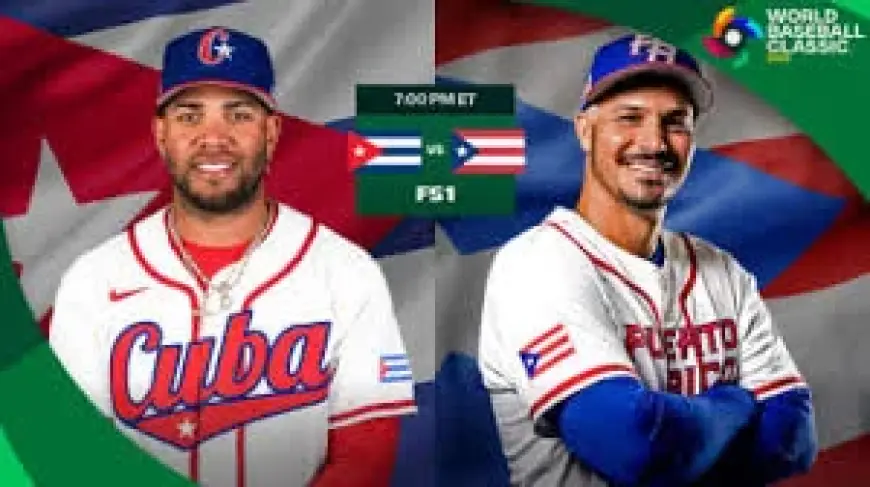
cuba vs puerto rico is set as the top two teams in Pool A square off with both Cuba and Puerto Rico looking to move to 3-0. The matchup reveals an early-tournament contrast: Puerto Rico’s ability to prevent runs and suppress home runs faces a Cuba profile that has leaned on power while showing swing-and-miss and a modest on-base mark through two games.
cuba vs puerto rico sets a 3-0 target at Hiram Bithorn Stadium
The game brings together the two leading teams in Pool A with the same immediate objective: reaching 3-0. The setting is Hiram Bithorn Stadium in San Juan, Puerto Rico, a detail that matters because the context around this matchup is built almost entirely from what each team has shown in its first two tournament games.
Cuba enters with a statistical profile that has looked volatile. Through two games, Cuba has struck out 18 times, matching its total number of times reaching base. Four home runs have helped cover for a sub-. 300 on-base percentage, creating an offense that has produced damage but not consistent traffic. As a result, the confirmed numbers point to a lineup that can change a scoreboard quickly, yet also risks extended stretches without baserunners.
Puerto Rico arrives with a clearer identity so far: it has conceded three runs in the tournament, and it has allowed zero home runs through two games. It has also allowed the lowest batting average and ranks first in team ERA. Even without adding any external history or projections, those facts establish why this game has been framed around prevention as much as production.
Puerto Rico’s no-homer start and top team ERA drive the matchup logic
The data suggests the central driver in this matchup is Puerto Rico’s early success at limiting the kinds of swings that change games quickly. Allowing zero home runs through two games indicates not only clean contact management, but also fewer mistakes in the zones where hitters can lift and pull for extra bases. Combined with the lowest batting average allowed and a first-place team ERA ranking, Puerto Rico’s pitching has created a narrow scoring window for opponents.
That matters specifically against a Cuba lineup whose production has been tied to four home runs while also posting a sub-. 300 on-base percentage. The pattern points to a simple tension: if Puerto Rico continues to keep the ball in the park, Cuba’s current path to runs becomes harder to sustain. The same context also links Puerto Rico’s ability to limit walks to run prevention, describing an approach that makes it difficult for opponents to manufacture runs without stringing together multiple hits.
On the other side, Cuba’s pitching has not collapsed; it has allowed five runs over two games. That confirmed figure suggests Cuba can keep games from turning into a blowout strictly on run allowance, even if other indicators in the context flag risk. In particular, the matchup framing notes Puerto Rico could separate by generating enough offense while taking advantage of Cuba’s high team WHIP, a statistic referenced as part of why run creation could tilt Puerto Rico’s way.
Julio Robaina vs Heliot Ramos highlights how small edges could decide scoring
One of the few named, concrete matchup points in the context involves Puerto Rico hitter Heliot Ramos and Cuba starter Julio Robaina. Ramos has yet to pick up a hit at the World Baseball Classic, but the context emphasizes he has historically performed much better against left-handed pitching, and Robaina is identified as a lefty starter. The pattern points to why even a player without a tournament hit can become relevant in a low-scoring environment: a single favorable platoon matchup can shape an inning.
The same context describes Robaina as relying on location rather than overpowering batters with elite stuff, adding that missed spots could be punished. Ramos is described as capable of hitting a home run if that happens, backed by a cited career OPS of. 849 against lefties and a tendency to excel against the fastball, which he “should see plenty of. ” Those details do not confirm an outcome, but they do explain the decision chain behind focusing on this specific duel: if Robaina misses location, the contact could be damaging; if he does not, Puerto Rico’s early tournament profile suggests runs may be scarce.
That scarcity theme runs through the overall framing. With Puerto Rico conceding three runs and Cuba allowing five across two games, the context explicitly leans toward the expectation that “we’re unlikely to see fireworks. ” For cuba vs puerto rico, the immediate implication is that run prevention may not just be a strength, but the controlling factor that determines whether one team can create separation without needing a high-volume offense.