Ryanair vs. Tom Schott: Cardboard trick tests expanded personal bag allowance

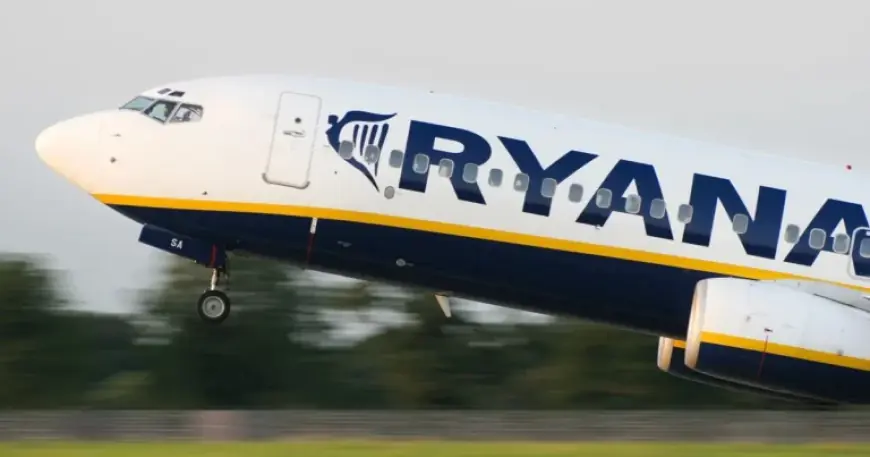
ryanair expanded its ‘personal bag’ allowance by 20% and packing specialist Tom Schott of Schott Packaging recommends a cardboard trick to avoid common errors. Which is more effective at keeping bags within the new 40cm x 30cm x 20cm, under 10kg rule and at protecting items from damage?
Ryanair personal bag change: 40cm x 30cm x 20cm limit and under 10kg rule
Ryanair increased its cabin bag allowance, expanding the ‘personal bag’ size by 20% to dimensions up to 40cm x 30cm x 20cm for basic-fare travellers, and set a weight ceiling of under 10kg. The change is tied to new EU regulations and becomes effective from September 2025 for those flying on a basic fare. The policy explicitly requires that the bag fit beneath the seat in front.
Tom Schott of Schott Packaging: cardboard frame, sealable bags and pre-planning
Tom Schott warns that the enlarged allowance could encourage passengers to overstuff soft bags and draw gate scrutiny. He recommends inserting a lightweight, snug-fitting cardboard box inside a soft bag to create a rigid frame, using sealable bags to sort items, and laying out items within a 40cm x 30cm outline before packing. Schott says a small sturdy box, cushioned by clothes, creates a crush-proof zone for chargers, adapters and toiletries.
Ryanair allowance versus Schott method: compliance, capacity and protection compared
Apply three parallel criteria to both sides: measurable limits, how volume is used, and protection of contents. On measurable limits, Ryanair supplies precise figures: 40cm x 30cm x 20cm and under 10kg. On volume use, Ryanair grants more room a 20% expansion; Schott’s method focuses on structured use of that extra volume with a cardboard frame and compartmentalisation. On protection, Ryanair’s rule is silent; Schott offers a crush-proof zone that aims to prevent damage to chargers and toiletries.
| Feature | Ryanair policy (stated) | Tom Schott method (stated) |
|---|---|---|
| Size allowance | Up to 40cm x 30cm x 20cm; 20% expansion | Pre-plan within a 40cm x 30cm outline to ensure fit |
| Weight | Bag must weigh under 10kg | Not specified; method focuses on structure to control bulge |
| Protection of contents | No protection guidance in the policy text | Lightweight cardboard box creates a rigid, crush-proof zone |
In evaluative analysis, applying the same criteria shows complementary strengths: Ryanair’s change creates a clear, measurable allowance (size and weight) while Schott’s packing method addresses practical risks the policy leaves unaddressed, namely soft-bag bulge and item damage. That said, the policy alone cannot guarantee a bag will pass gate checks; packing choices determine compliance in practice.
Finding: the comparison establishes that the Ryanair size and weight rules provide useful, objective limits, but those limits will only translate into smooth boarding and protected belongings if passengers adopt structured packing like the cardboard trick. September 2025 is the confirmed milestone when the larger allowance is in force; if travellers pack with the structure Schott recommends, the comparison suggests fewer gate rejections and fewer damaged items.