Bruce Willis Health Update Puts Family Focus Back On Dementia Reality

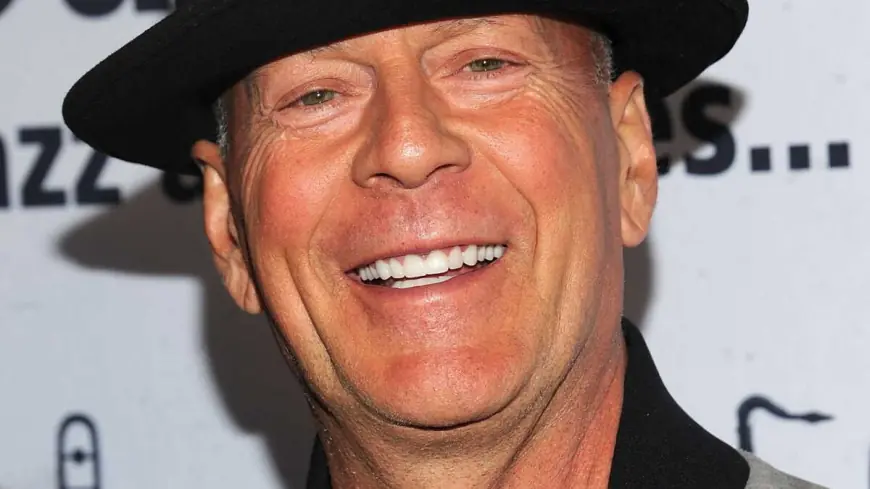
Bruce Willis is back in the headlines in March 2026 for two reasons at once: a fresh wave of online death-hoax chatter and a more meaningful family update that underscores where his condition now stands. The false rumors were denied, while the more substantive picture remains the one his family has been outlining for months: Willis is living with frontotemporal dementia after first stepping away from acting in 2022 following an aphasia diagnosis, and the disease has continued to reshape daily life for him and those around him.
That distinction matters. In celebrity coverage, noise often outruns fact, and Bruce Willis has become an especially vulnerable target because the public already knows he is seriously ill. What is actually confirmed is narrower and more important. His family disclosed in February 2023 that his condition had progressed to frontotemporal dementia, or FTD, after the earlier aphasia announcement in March 2022. More recently, Emma Heming Willis has said he is not aware of his diagnosis, a detail that gives the public a clearer sense of the disease’s neurological toll without turning it into spectacle.
Bruce Willis And The Latest Update
The newest Bruce Willis update does not center on a dramatic medical event. Instead, it centers on the family’s evolving language about care, cognition, and presence. Recent accounts from Emma Heming Willis describe a man who remains deeply connected to his family even as the illness alters his awareness. That is a difficult reality to compress into a headline, but it explains why relatives have increasingly spoken less about “how he’s doing” in conventional terms and more about moments of recognition, affection, and routine.
His daughter Rumer Willis struck a similar note late last year, saying it is hard to answer the usual public question because FTD does not follow the clean narrative people expect. Her message was not that he had taken a sudden turn, but that the family now measures good days differently. In that framing, stability is not a return to what was. It is the preservation of connection, however brief or partial that connection may be.
Dementia Changes The Story
The Bruce Willis story has also become one of public education, whether the family intended that or not. FTD is less widely understood than Alzheimer’s, yet it can affect language, behavior, judgment, and self-awareness in ways that are especially disorienting for loved ones. The family’s 2023 statement made clear that communication challenges were only one part of the condition. That matters because many people still associate Willis primarily with the aphasia diagnosis and may not realize how much broader the medical picture became once the FTD diagnosis was confirmed.
There is also a second-order effect here. By continuing to speak publicly, the Willis family has pushed a relatively unfamiliar disorder into mainstream conversation. Advocacy tied to Willis’s diagnosis helped drive a major jump in awareness around FTD, and that awareness appears to have endured as updates from Emma and Rumer continue to circulate. In a media environment built for instant novelty, that may be one of the most lasting consequences of this chapter of his life.
Family Strategy And Public Pressure
The family’s approach has been careful but not silent. That balance is harder than it looks. Every public update invites empathy, but it also invites distortion, rumor, and invasive speculation. The latest death-hoax cycle is a reminder that once a public figure’s illness is widely known, even false stories can gain traction fast. For the Willis family, that creates a dual burden: managing the realities of care while also policing misinformation that can ricochet across social media in hours.
At the same time, Emma Heming Willis has been turning that visibility into a broader caregiving message. Her recent public remarks and book-related appearances suggest a deliberate shift from pure status updates toward explaining what caregiving actually feels like inside a household. That shift is significant. It moves the conversation away from voyeurism and toward the practical and emotional architecture of living with dementia, especially when the patient is globally recognizable but the family’s daily challenges are painfully ordinary.
What Comes Next For Bruce Willis
The next phase of Bruce Willis coverage is likely to look much like the last one unless there is a major family statement. That means periodic updates from Emma or his daughters, intermittent bursts of public concern, and continued confusion from people encountering fragments of the story out of order. The key trigger points are straightforward: any direct family post, any new advocacy effort tied to FTD, or any shift in the family’s language around his condition.
For now, the clearest takeaway is not a sudden change in Bruce Willis’s status but a clearer understanding of the reality around him. He remains alive, surrounded by family, and living with a progressive disease that has already transformed his public identity from action star to one of the most visible faces of FTD awareness. That is the real story beneath the rumor churn, and it is the one likely to matter long after the latest false alarm fades.