“Darkology Reveals America’s Hidden History of Amateur Blackface: NPR”

In a groundbreaking analysis, historian Rhae Lynn Barnes uncovers America’s complex history with amateur blackface in her new book, Darkology: Blackface and the American Way of Entertainment. Her research highlights how this controversial performance practice permeated American culture, particularly during the 19th and early 20th centuries.
Historical Context
Barnes’s journey began in 2013 when she stumbled upon missing primary sources at the Library of Congress. With the help of a librarian, she gained access to vital materials for her study of minstrel shows and white supremacy.
The Rise of Minstrel Shows
Minstrel shows became immensely popular in the 1800s. They featured exaggerated and racist depictions of Black individuals, often formerly enslaved. By the end of the century, amateur performances gained traction, with various groups, including PTAs, police associations, and military personnel, organizing their own events.
Government Involvement
During the Great Depression, FDR’s Works Progress Administration promoted minstrel shows as a means to preserve American culture. The administration distributed lists of recommended minstrel plays to schools and charities, emphasizing their popularity.
The Impact of the Civil Rights Movement
By the 1970s, the civil rights movement played a crucial role in diminishing the popularity of blackface. Activism from mothers, both Black and White, led to the removal of these performances from school curricula. Many publishing houses faced financial struggles as societal attitudes shifted away from such portrayals.
Commercialization of Blackface
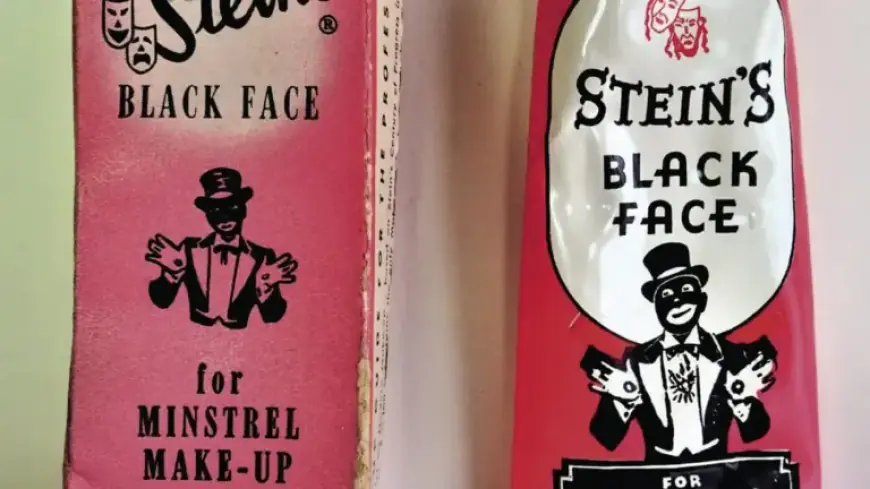
Historically, blackface makeup was a significant commercial industry. Companies like Stein’s produced various shades to cater to performers. Unlike earlier methods using burnt cork, these products allowed for easier removal, reflecting a change in consumer needs.
Music and Cultural Propaganda
Songs like Stephen Foster’s “Oh Susannah!” romanticized the enslaved experience, contributing to pro-slavery narratives. Minstrel shows often utilized politically charged slogans, like “Make America Great Again,” which echoed today’s cultural rhetoric.
Preservation of History
Currently, Barnes argues for a more nuanced understanding of blackface’s historical significance. She believes that understanding these complexities is critical in recognizing both the achievements and struggles within American history.
Conversations About Race
Barnes emphasizes the necessity for open dialogue about America’s past. Acknowledging blackface’s persistence in American culture is vital for appreciating the efforts made by countless individuals to fight for dignity and recognition.
The insights shared in Barnes’s work invite reflection and discussion on America’s hidden history of amateur blackface, offering an important perspective on a challenging topic. For further exploration of this subject, visit Filmogaz.com.