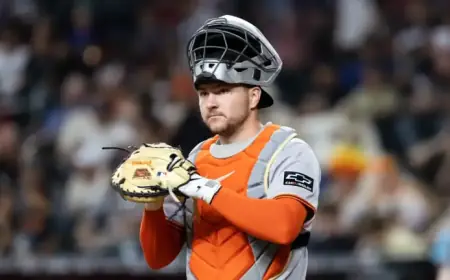
Djokovic’s conduct raises stakes for Aleksandar Kovacevic rematch at Indian Wells

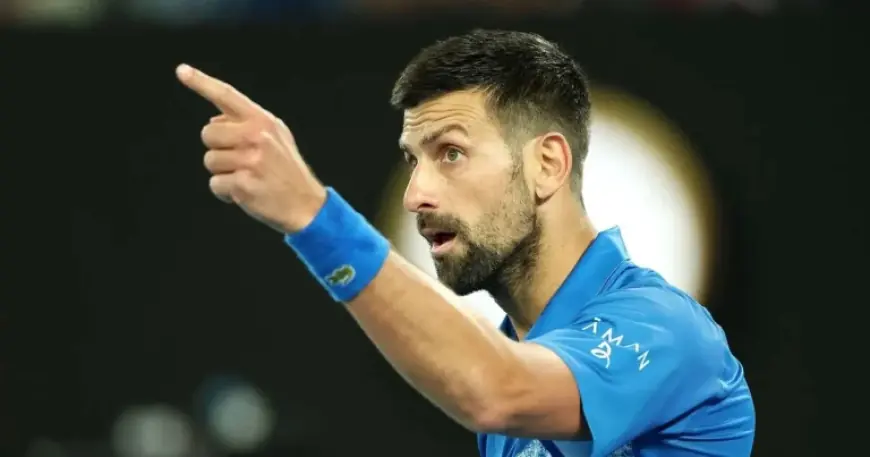
Organizers and fans will face intensified political scrutiny around Novak Djokovic’s next match with aleksandar kovacevic, shifting the spotlight from pure competition to diplomatic fallout. On March 9, 2026 Djokovic meets Aleksandar Kovacevic again after his 2023 French Open post-match camera message about Kosovo made headlines across the globe.
Indian Wells draw now carries off-court scrutiny and sporting pressure for Novak Djokovic
Djokovic arrives in the Indian Wells draw under a different lens: his on-court programme is tied to broader political attention that could affect crowd behaviour and media focus. He is aiming for a sixth Indian Wells title and must get past a round-of-32 opponent to stay on that path. Tournament officials and match-day operations will contend with the heightened attention as Djokovic tries to move deeper into the Masters 1000 event.
Aleksandar Kovacevic’s recent form gives the American momentum against a heavy favourite
Aleksandar Kovacevic has built tangible momentum at this tournament, winning three of his last five matches heading into the clash. In Indian Wells he defeated Hubert Hurkacz in the opening round in two tiebreaks and followed that with a straight-sets victory over Moutet in the second round. Bookmakers list Kovacevic as the heavy underdog, but his recent results on hard courts make him a live challenger in the round of 32.
French Open 2023 camera message triggered diplomatic headlines and on-court aftermath
The catalyst for the current scrutiny was Djokovic’s action after their first meeting at the 2023 French Open: he wrote on the video camera in Serbian the words, “Kosovo is the heart of Serbia. Stop the violence. ” At that time tensions in Kosovo had escalated, with Serbia putting its military on high alert and announcing an intention to send troops to the border. NATO peacekeeping soldiers installed security cordons around four town halls in Kosovo before the match, following protests from Serbs after ethnic Albanian mayors were elected in elections that Serbian voters had boycotted. Kosovo had declared independence from Serbia in 2008, a status Belgrade continued to reject, and those political facts framed the reaction to Djokovic’s post-match message.
Still, Djokovic has said he is not entering politics and framed his actions as personal; on the competitive side he progressed at Indian Wells after a first-round victory over Kamil Majchrzak and remains focused on the title. For Kovacevic, the rematch represents both a sporting opportunity and a stage that carries added public scrutiny because of the prior episode.
What could reverse or accelerate the current consequences depends on what happens on court this week: the match between Djokovic and Kovacevic is scheduled at 1: 00 pm ET on March 9, 2026, and will determine whether Djokovic remains on course for his sixth Indian Wells title. If Djokovic wins, he will remain on course for that title by the tournament’s scheduled end on March 15; if Kovacevic prevails, attention will shift to an upset narrative and the wider discussion about the interplay of sport and politics at high-profile events.