Australian Border Force Seizes 150,000 Melatonin Units in Product Crackdown

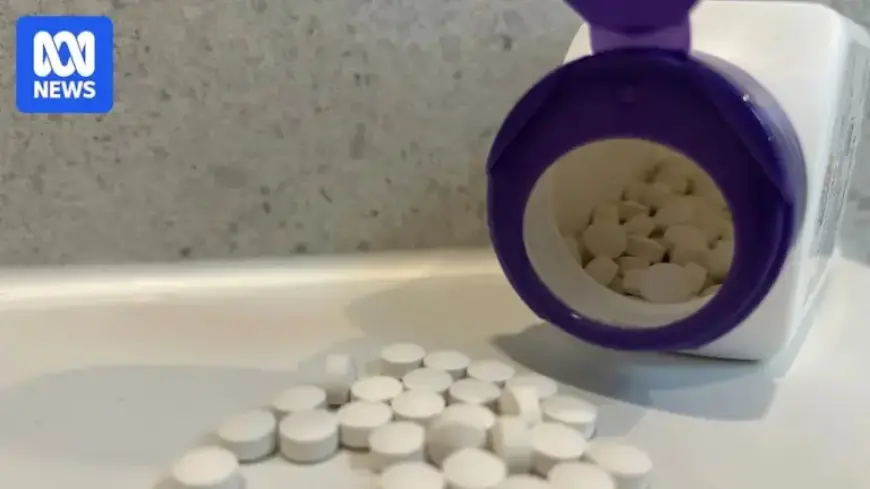
The Australian Border Force (ABF) has made a significant intervention in the growing issue of unregulated melatonin imports. Over four months, the ABF seized approximately 150,000 units of melatonin, which includes tablets, capsules, and gummies. This action took place in response to rising concerns about the safety and legality of these products, especially among children.
Details of the Seizure
From September 1 to December 31, the ABF referred these melatonin units to the Therapeutic Goods Administration (TGA) for an overall safety assessment. The TGA’s role is to ensure that imported products meet Australian safety standards and can legally enter the market. If a product does not comply, the TGA informs the ABF about whether to destroy or release the goods.
Risks Associated with Unregulated Melatonin
The TGA has consistently warned the public against using unregistered melatonin products. Laboratory tests have shown significant discrepancies between the actual melatonin content and what is advertised on labels. Worryingly, online products, particularly those marketed to children, have sometimes contained up to four times the advertised amount of melatonin.
- Almost 1,500 calls were made to poisons hotlines concerning children taking melatonin last year.
- Health experts indicate that overdoses can result in headaches, drowsiness, and in rare cases, nausea and vomiting.
Perspectives on Melatonin Use
Dr. Tim Jones from the Royal Australian College of General Practitioners emphasized the critical need for intervention. He noted that while some individuals may find benefits from melatonin, many unregulated products fail to adhere to strict safety standards, posing potential health risks.
Naomi Campbell-Smith, a public health professional, shared her experience with melatonin after being prescribed it for ADHD treatment. Despite adhering to prescription guidelines, she described the difficulty of accessing melatonin affordably through traditional pharmacies, where prices can reach $480 for a 90-tablet supply. This stark contrast to online prices, which can be as low as $32, pressures many individuals to seek alternatives outside legal frameworks.
Impact on Families and Children
The surge in melatonin prescriptions and consumption among children has raised alarms. Parents, guided by medical advice, have turned to melatonin as a solution for sleep-related issues. However, the TGA cautions that the lack of regulation in these products could jeopardize children’s health.
Regulations and Supply Issues
In August, the popular online retailer iHerb temporarily halted its melatonin sales to Australia following a spike in poison hotline calls. Though the retailer later resumed sales, it now restricts the availability of melatonin gummies to minimize misuse, especially among children.
Many parents feel unsupported by health authorities as they navigate the complexities of obtaining safe melatonin options. The president of the Australian Neurodivergent Parents Association, Sarah Langston, stressed the need for parents to have access to legitimate treatments without excessive barriers.
Conclusion
As the situation continues to evolve, both healthcare professionals and parents acknowledge the necessity for a balanced approach. Ensuring the safety of products while also providing affordable and accessible options for families remains a crucial challenge for Australian health authorities.