Brian Thomas Jr trade chatter points to a widening receiver market

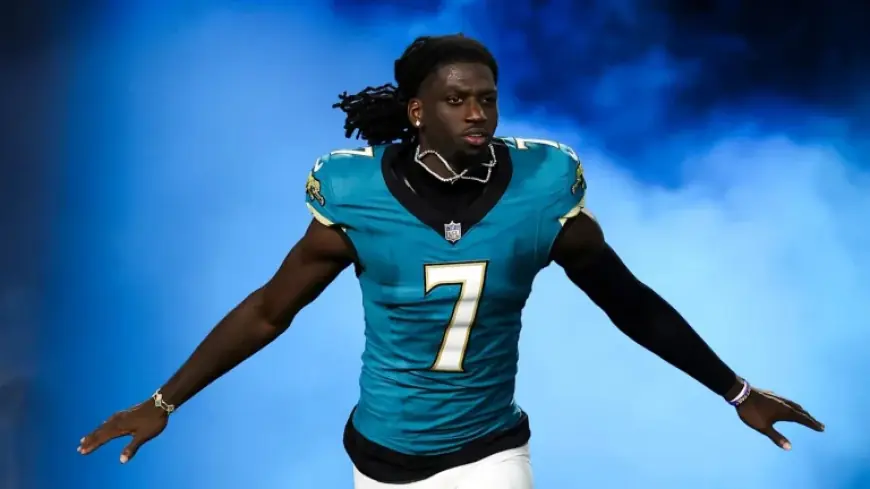
brian thomas jr is newly at the center of trade chatter after a report that the Jacksonville Jaguars are willing to listen on the 23-year-old wide receiver. The immediate signal is not just about one player’s availability, but about how quickly the receiver trade market can reset when teams start testing prices, culture fit, and the draft capital required to make a deal.
Jacksonville Jaguars and Brian Thomas Jr: availability, production, and recent questions
The current confirmed development is that the Jaguars “are willing to listen” on Brian Thomas Jr., with the caveat that any deal “won’t be cheap. ” That represents a notable shift from last year’s trade deadline, when the New York Jets made calls on him and he was not available.
On-field performance sits at the heart of why this is suddenly being discussed. Drafted 23rd overall in 2024, Brian Thomas Jr. delivered 87 catches for 1, 282 yards and 10 touchdowns as a rookie. In 2025, he regressed to 48 catches for 707 yards and two touchdowns while missing three games. Another data point complicating his value case: he committed 10 drops last season and “lost ground in the offensive pecking order” under new head coach Liam Coen.
Still, the context also underlines why the market is paying attention. A player with his age, draft status, and rookie-year output does not become available often, and the possibility that Jacksonville would entertain calls changes how receiver-needy teams frame their options.
New England Patriots and Mike Vrabel: need versus culture fit
For New England, the context frames a clear tension. A. J. Brown is described as most Patriots fans’ top choice for a receiver trade target this offseason, but Brian Thomas Jr. is presented as a potentially better option on talent and age. On pure roster impact, he “instantly would become New England’s No. 1 receiver, ” highlighting the “glaring need” at the position.
Yet the same context identifies a major friction point that could narrow New England’s interest: Brian Thomas Jr. “drew harsh criticism” last season for appearing to shy away from contact and playing with low effort. That critique runs directly into what Mike Vrabel is described as building in his first season as Patriots head coach, a culture of hard work and accountability. The fit question becomes less about whether New England needs a top receiver and more about whether Vrabel would want to spend premium assets on a player viewed as misaligned with that identity.
Cost is the other immediate constraint. The reporting explicitly notes that he would not come cheap and raises the question of whether New England would be willing to forfeit the draft capital likely required. In other words, the Patriots’ decision path is being shaped by two visible forces at once: the urgency of upgrading the receiver room and the organizational appetite for a big swing that carries both performance and culture risk.
Las Vegas Raiders, Maxx Crosby picks, and a market benchmark from DJ Moore
The other pressure point in the context is how team resources can suddenly make an aggressive move feel more realistic. The Las Vegas Raiders are positioned as “lurking as a potential destination, ” in part because they acquired two first-round picks in a Maxx Crosby trade, giving them four first-rounders over the next two years. That “extra ammo” is described as opening trade avenues that did not previously exist.
At the same time, the context points to a market reference that could influence how Jacksonville sets its price. Chicago dealt DJ Moore to Buffalo in exchange for a second-round pick, which is described as setting the market “this week. ” Against that benchmark, the Jaguars are framed as having reasons to demand more for Brian Thomas Jr., citing his relative youth, “superior production, ” and “a more affordable contract with three years of control. ” The implication inside the context is that Jacksonville can “stand firm on a first-round pick as their asking price, ” and that if other teams balk, the Raiders have the draft assets to keep pushing.
Based on context data:
- Brian Thomas Jr. rookie season: 87 catches, 1, 282 yards, 10 touchdowns
- Brian Thomas Jr. 2025 season: 48 catches, 707 yards, two touchdowns (missed three games; 10 drops)
- Maxx Crosby trade impact: Raiders gained two first-round picks, totaling four first-rounders over the next two years
- Recent benchmark: DJ Moore traded from Chicago to Buffalo for a second-round pick
If Jacksonville continues signaling openness while maintaining that it “won’t be cheap, ” the most visible trajectory is a pricing standoff: teams with urgent receiver needs weigh a first-round level ask against the risk indicators attached to Brian Thomas Jr. ’s 2025 season, including 10 drops and reduced role under Liam Coen. In that environment, teams with extra draft capital, like Las Vegas after the Maxx Crosby trade, gain leverage simply because they can stay in the conversation without emptying their future.
Should New England prioritize Mike Vrabel’s culture build over immediate receiver upside, the Patriots’ involvement could cool even if Brian Thomas Jr. would become their No. 1 receiver on arrival. That would leave the market more dependent on teams willing to price in a rebound from his second-year regression, rather than treating his rookie season as the primary indicator.
The next confirmed signal in the context is the trade market itself: the report that Jacksonville is willing to listen has already shifted attention from a single fan-favorite target to a broader set of possibilities. What the context does not resolve is Jacksonville’s actual threshold beyond the idea that it will not be cheap, or which teams are prepared to meet a first-round level asking price given the mixed 2025 indicators attached to Brian Thomas Jr.