Rosanna Arquette Criticizes Tarantino’s N-Word Use in Pulp Fiction as Racist

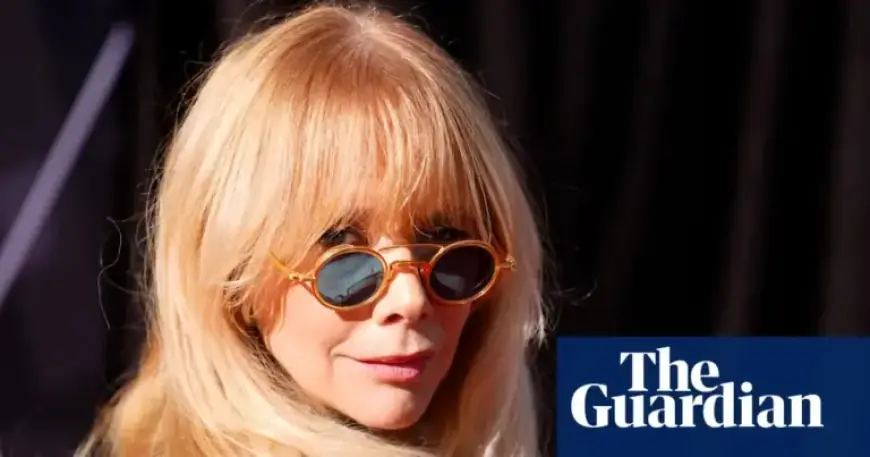
Rosanna Arquette, known for her roles in “Pulp Fiction” and “Desperately Seeking Susan,” has expressed strong criticism regarding Quentin Tarantino’s use of the N-word in “Pulp Fiction.” In a recent interview with the Sunday Times, she labeled it as “racist and creepy.”
Arquette’s Critique on Tarantino
In her comments, Arquette stated that while “Pulp Fiction” is an iconic film, she is uncomfortable with its language. She said, “I hate it. I cannot stand that [Tarantino] has been given a hall pass.” Her reflection highlights a broader conversation on race and representation in film.
Impact of Tarantino’s Work
“Pulp Fiction,” released in 1994, features the N-word prominently and contributed to Tarantino’s critical acclaim, winning him the Cannes Palme d’Or and an Oscar for Best Original Screenplay. However, his frequent use of the term has sparked ongoing debates.
Reactions from the Film Community
In 1997, director Spike Lee criticized Tarantino, suggesting he was “infatuated with that word.” Lee questioned Tarantino’s intentions, asking, “What does he want to be made – an honorary black man?”
In defense of Tarantino, actor Samuel L. Jackson stated that the language served a purpose within the context of the film. He remarked, “It’s not offensive in the context of this film,” during a press conference at the Berlin Film Festival.
Continued Controversy
After the release of Tarantino’s “Django Unchained” in 2012, which starred Jamie Foxx, Lee reiterated his criticism on social media, emphasizing the serious implications of American slavery. In response, Antoine Fuqua, director of “Training Day,” stated he did not believe Tarantino harbored racist sentiments.
Tarantino’s Defense and Arquette’s Experience
Tarantino addressed the ongoing backlash in a 2015 interview with Bret Easton Ellis, arguing that his intentions were often misunderstood. He described the perception of him as a “supervillain” crafting controversial narratives.
In the same interview, Arquette shared her personal experiences regarding Hollywood’s darker side. She disclosed that she refused Harvey Weinstein’s advances in the early 1990s, leading to repercussions in her career. Despite not being raped, she remarked, “I paid a price for saying no.”
Arquette was also featured in the 2017 reports exposing Weinstein’s misconduct, contributing her voice to the growing #MeToo movement. She concluded, “Later I paid a price for telling the truth.”