Experts Analyze Impact of Oil Prices Surpassing $100 Mark

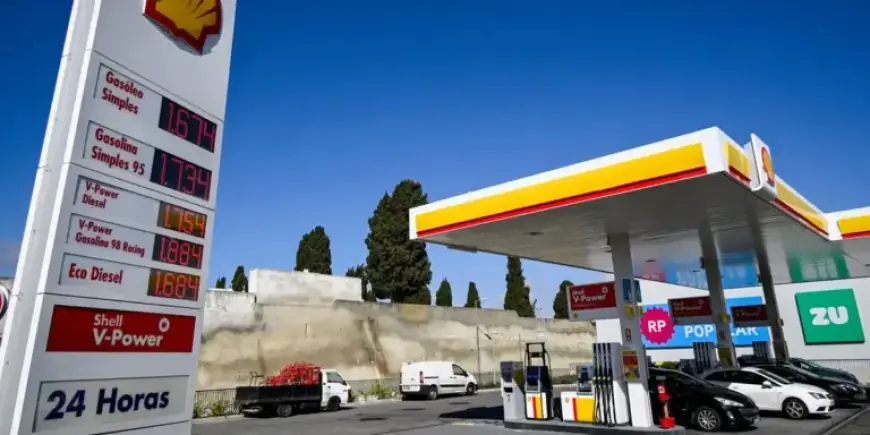
As oil prices soared past $100 per barrel, significant concerns emerged regarding the stability of global markets and potential inflation. Disruptions in the Strait of Hormuz, a vital shipping route for crude oil, have been largely blamed for this surge. Experts cautioned that the situation could resemble the oil shocks experienced in the 1970s, when energy crises had lasting economic impacts.
Impact of Oil Prices Surpassing $100
The recent climb to over $100 a barrel is a troubling development for the global economy. The heightened pricing has raised inflation fears and renewed recession concerns, as major Gulf producers have begun to limit output due to operational constraints.
Market Responses and Expert Opinions
Many economists are weighing in on the implications. Mark Zandi, chief economist at Moody’s Analytics, noted that the ongoing turmoil in the Middle East, particularly within the Strait of Hormuz, could lead to increased fuel prices for American consumers, potentially reaching $4 per gallon.
- Paul Krugman: The Nobel laureate warned that the disruption is more severe than previous oil shocks. He indicated that if the situation persists, prices could rise significantly.
- Ed Yardeni: The president of Yardeni Research expressed concerns about a repeat of the 1970s oil crisis, stressing that markets cannot expect relief until shipping resumes through the Strait.
- Bob McNally: He emphasized that the current disruption is unprecedented, indicating a historic level of oil supply loss without any excess capacity available.
Broader Economic Concerns
Analysts underscore potential inflation spikes, with predictions that prices could rise by a full percentage point as oil exceeds the $100 threshold. This scenario may compel central banks to raise interest rates, leading to a possible correction in global stock markets.
- Warren Patterson: He cautioned that stagnant oil flow through the Strait would likely cause prices to increase further, and any resurgence in production would take time.
- Peter Schiff: He argued that soaring oil prices could trigger a recession rather than directly lead to inflation.
Market Sentiment and Future Outlook
Current market sentiment is marked by panic, according to several experts. Robin Brooks from the Brookings Institution believes that the potential for further upside in prices is limited. He suggested that the closure of the Strait of Hormuz would not worsen and might, in fact, improve.
Felipe Elink Schuurman noted the complexities involved in restarting the oil supply chain, indicating that even minor improvements in the Strait would take an extended timeline for full normalization of operations.
As the situation develops, stakeholders will need to monitor how geopolitical tensions impact oil supply and prices. The ramifications of this crisis extend well beyond immediate financial implications, influencing inflation rates and economic stability worldwide.