Top 11 Takeaways from F1 2026 Australian Grand Prix

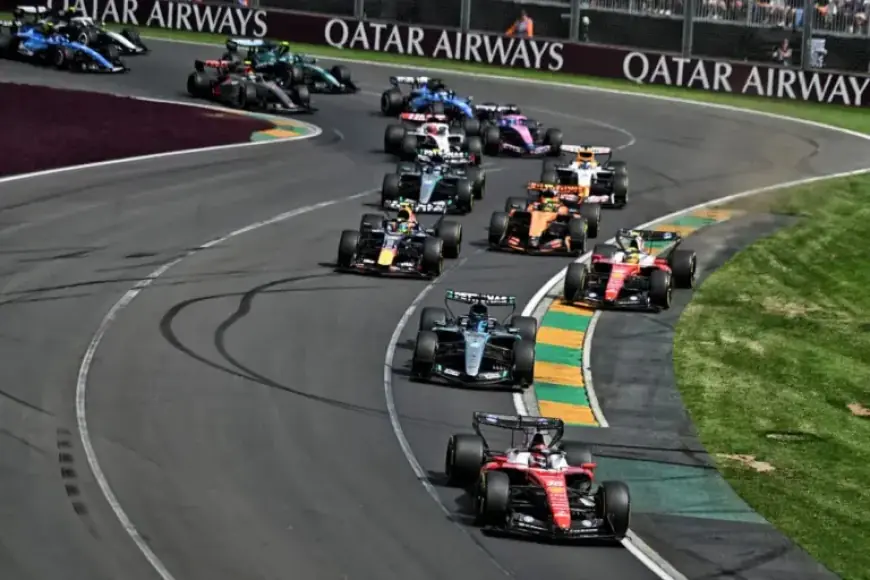
Formula 1’s inaugural race weekend featuring new cars and engines was a significant learning experience. The 2026 Australian Grand Prix unveiled essential insights about the future of racing in Formula 1.
Top 11 Takeaways from F1 2026 Australian Grand Prix
1. A New Kind of Racing
The energy management aspect takes precedence in the 2026 race format. Drivers must now ensure they maintain adequate battery levels to fend off rivals effectively. Charles Leclerc described this strategy as more akin to “high-speed chess,” emphasizing a shift from traditional racing tactics.
2. Exciting Battles
The race led to multiple position exchanges between Leclerc and George Russell, showcasing the new strategic dynamic. However, Red Bull’s team principal, Laurent Mekies, suggested that teams would soon optimize their energy deployment strategies, potentially reducing frenetic lead changes in future races.
3. Mercedes’ Surprise Performance
- George Russell’s qualifying performance shocked rivals, achieving a notable eight-tenths advantage over the next non-Mercedes driver.
- Mercedes’ customer teams were caught unprepared as their cars struggled to reach similar performance levels due to energy management challenges.
4. Potential Rule Changes
Despite only one race completed, F1 leadership is contemplating changes following feedback on the energy-starved engines and perceived “artificial racing.” Proposed adjustments could enhance energy harvesting capabilities and adjust overall electrical power limits.
5. Remarkable Debut for Arvid Lindblad
Arvid Lindblad made headlines as the third-youngest point scorer in F1 history at just 18 years old. His promising debut included a strong performance battling seasoned competitors, establishing him as a noteworthy addition to the Racing Bulls team.
6. Audi’s Mixed Results
Audi marked its entry into F1 with point-scoring results but faces challenges with reliability. While one car consistently finished in the top ten, technical issues plagued another entry, highlighting the need for improved communications regarding team performance.
7. Aston Martin and Honda’s Strategy
Initially, Aston Martin and Honda were cautious, but both cars finished the race, showcasing some durability. However, Fernando Alonso’s early retirement was a strategic move to conserve critical parts for future races.
8. Challenges with New Power Units
Teams are struggling to optimize the new engines, leading to discrepancies in performance across the board. Various teams faced unique issues with their energy deployment strategies throughout the race.
9. Cadillac’s Reality Check
Cadillac faced major difficulties, finishing in 16th place and recognizing the need for significant improvements. The team must focus on enhancing their car’s performance to compete effectively within the grid.
10. Alpine’s Performance Issues
Despite switching to Mercedes engines, Alpine struggled to escape Q2 during qualifying. They are currently dealing with aerodynamic weaknesses that hinder performance levels, necessitating urgent attention.
11. Reliability as a Key Variable
While the reliability of new cars seemed promising during testing, various teams reported technical issues over the race weekend. With a sprint weekend next in China, managing reliability early in the season remains vital.
The insights gained from the 2026 Australian Grand Prix will shape the season as teams and drivers adjust to the new racing landscape. The focus on energy management and evolving strategies will define the future of Formula 1 racing.