Trump Faces Iran War’s Unpredictable Challenge: Affordability Concerns

President Donald Trump is currently facing significant challenges regarding the unpredictability of the Iran conflict, particularly concerning affordability issues for American citizens. The ongoing tension in the Middle East threatens to destabilize the favorable economic landscape that characterized the early part of the year, including low mortgage rates and affordable gas prices.
Uncertainty in the Middle East and Economic Implications
The war with Iran could trigger extensive economic repercussions for the United States. If the conflict continues unresolved, it might exacerbate financial strain for citizens already grappling with a high cost of living. Such economic pressures could become a substantial political liability for Trump and the Republican Party during the midterm elections.
Rising Fuel Prices
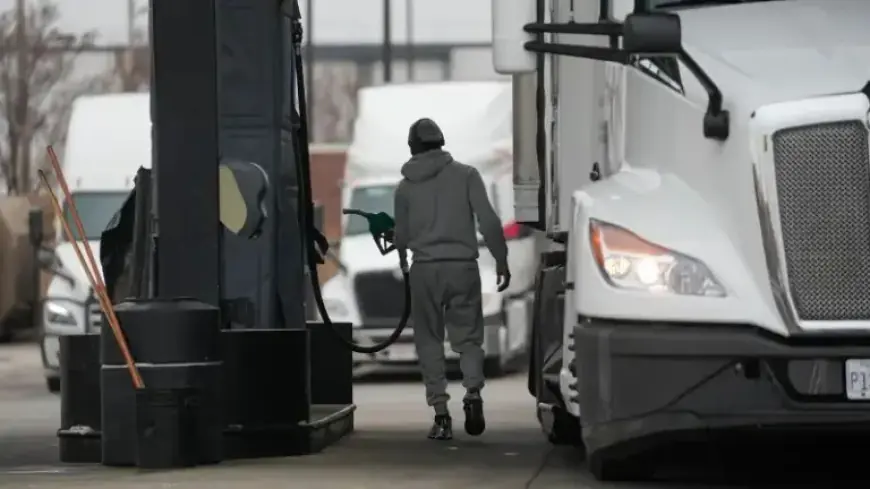
In the last week, gas prices surged by 34 cents per gallon, marking the highest levels during Trump’s presidency. This rise in prices is alarming for consumers, as excessive gas costs can significantly alter public perception of financial well-being.
- Rising gas prices impact consumer confidence significantly.
- Low prices previously helped keep inflation in check.
- New predictions suggest inflation could rebound to 3% if the war continues.
Economist Mark Zandi from Moody’s Analytics highlights that even a small increase in gas prices can dramatically affect overall confidence. He notes, “If you go from $3 to $4, then that undermines confidence completely.” An increase in gas costs could lead to rising prices in transportation and groceries, resulting in further inflationary pressures.
Impact on the Housing Market
Meanwhile, the housing market showed some relief with mortgage rates dipping below 6% briefly, following cuts by the Federal Reserve. However, as fears about potential economic fallout from the Iran conflict persist, mortgage rates have climbed again. Higher rates could stall the housing market, affecting the American Dream for many would-be buyers.
Potential Economic Downturn
If the conflict in Iran persists, there may be significant economic fallout. Each sustained $10-per-barrel increase in oil prices is estimated to cost an average American household an additional $450 annually. As oil prices recently exceeded $100 per barrel, concerns about potential recessionary conditions are growing.
Looking Ahead
The key question remains: How long will the conflict last? The Trump administration is optimistic about plans to reopen oil flows in the Strait of Hormuz, hoping to stabilize prices. However, skepticism looms over whether these expectations will materialize.
Some economists predict that if conditions do not improve soon, job losses and broader economic struggles may be on the horizon. Therefore, how the situation evolves will be crucial for both economic stability and political outcomes in the upcoming elections.