Rosanna Arquette condemns Tarantino’s N-word use, reviving “hall pass” debate now

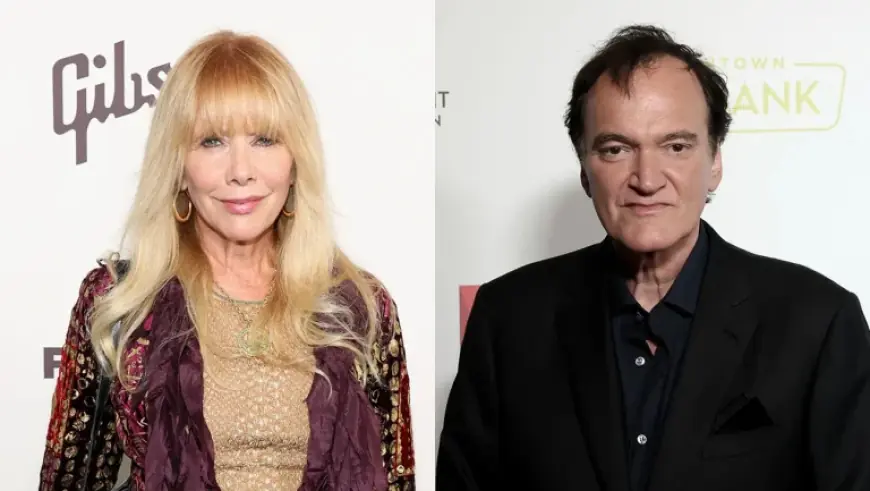
Saturday at 9: 20 a. m. ET, rosanna arquette drew renewed attention to Quentin Tarantino’s long-scrutinized use of the N-word in his films after comments she made in a UK interview circulated widely. The timing matters because her remarks landed as the debate around Tarantino’s dialogue choices is being revisited publicly again, tied directly to her reflections on Pulp Fiction and the way the slur appears across his filmography.
Rosanna Arquette’s “hall pass” remarks tied to Pulp Fiction
In the Saturday interview with The Times U. K., rosanna arquette looked back on Pulp Fiction, where she appeared in the film and discussed her view of Tarantino’s repeated use of the N-word. She described Pulp Fiction as “iconic” and “great, ” while making clear she rejects the slur’s inclusion in his work.
Arquette said she believes Tarantino has been given a “hall pass” to use the word in his films. She added that she is “over the use of the N-word, ” that she hates it, and that she “cannot stand” what she framed as a cultural allowance for the director. Arquette also said, “It’s not art, it’s just racist and creepy. ”
The comments place her in a camp of industry voices who have publicly criticized Tarantino’s language choices, even while acknowledging the impact of at least one of his films.
Quentin Tarantino’s past responses and the 2022 “see something else” stance
Tarantino’s use of the N-word has faced scrutiny before, including around Django Unchained. That 2012 film sparked debate at the time of its release for frequent use of the word; the film includes the slur more than 100 times, and one account described it as nearly 110 times.
After Tarantino won a best screenplay award tied to Django Unchained at the 2013 Golden Globes, he addressed critics backstage in the winners room and defended his approach to dialogue, saying he would not “soften it, ” “lie, ” or “massage” the writing when it came to his characters, and he used the N-word while doing so.
Nearly a decade later, Tarantino maintained a defiant position in a 2022 appearance on “Who’s Talking to Chris Wallace, ” saying viewers who are offended by his use of the N-word or the graphic displays of violence in his films should “see something else, ” and adding that if people have a problem with his movies then “they aren’t the movies to go see. ”
Spike Lee, Samuel L. Jackson, and the earlier Django Unchained flashpoint
One earlier flashpoint arrived in 2012, when director Spike Lee criticized Tarantino’s use of the N-word in Django Unchained, calling it “disrespectful to my ancestors” in comments to Vibe magazine. Lee also criticized what he called Tarantino’s “excessive use of the N-word” after the release of the 1997 film Jackie Brown, saying he had a “definite problem” with it and adding, “I think something is wrong with him. ”
Still, Tarantino has had prominent defenders. Samuel L. Jackson, described as a frequent collaborator, has defended Tarantino’s use of the slur in his films, including in relation to Django Unchained. In the 2019 documentary QT8: The First Eight, Jackson argued that criticism is unevenly applied when comparing Tarantino to other filmmakers and said he did not see dishonesty in how Tarantino writes or portrays how characters talk in his movies.
Arquette’s new comments, delivered while reflecting on Pulp Fiction, re-center the argument on whether repeated use of the slur is defensible as character-driven realism or crosses a line that she called “racist and creepy. ”
The next expected development is additional response or follow-up comments tied to the Saturday interview, with more details anticipated by 5: 00 p. m. ET. If Tarantino or Jackson addresses Arquette’s remarks directly, the debate is likely to sharpen around how their prior public statements align with her “hall pass” criticism.