G7 Considers Tapping Emergency Oil Reserves as War Drives Up Prices

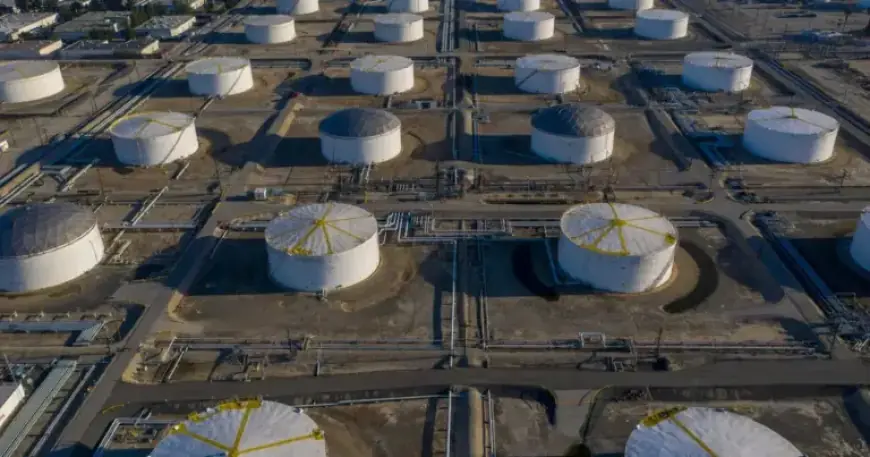
Global oil prices are under pressure due to ongoing geopolitical tensions. The G7 is contemplating the possibility of tapping into emergency oil reserves as a response to skyrocketing prices. This strategy aims to alleviate the economic strain caused by conflicts affecting energy supply.
Current Economic Landscape
The economic situation appears less robust than in previous years. Job growth in the United States has virtually stagnated, and the European Central Bank (ECB) has raised concerns about the labor market in the eurozone. Despite a record low unemployment rate of 6.1 percent, the ECB indicates that underlying conditions may be weaker than they appear.
- U.S. job growth has slowed significantly.
- Eurozone labor market concerns are increasing despite low unemployment rates.
- Unemployment in the U.K. has been on the rise for over a year.
Inflation and Monetary Policy
Though inflation remains a concern, analysts suggest that the threat of wage-price spirals has diminished. Dario Perkins, an analyst at TS Lombard, believes the risks to labor markets may be more pronounced now than they were in 2022. This sentiment echoes across financial sectors as markets shift expectations regarding inflation and interest rates.
Interest rate futures now indicate a 70 percent probability that the ECB will raise its key interest rates by 0.5 percent this year. This marks a significant change from earlier predictions that anticipated no alterations until 2025. Similarly, the Bank of England is facing a nearly 50 percent chance of a rate increase by the end of the year.
Geopolitical Factors Impacting Oil Supply
Recent conflicts have led to heightened uncertainty in energy markets. Attacks on energy installations have fueled concerns about a prolonged supply shock. The nomination of Mojtaba Khamenei as the new Supreme Leader of Iran signals that tensions in the region may escalate further, heightening the urgency for policymakers.
- Attacks on energy sites raise alarm over oil supply stability.
- Iran’s political shifts may indicate a prolonged conflict.
The ongoing volatility in energy prices necessitates careful monitoring. ECB board member Isabel Schnabel emphasizes the need for vigilance regarding inflation driven by these geopolitical shocks. As the situation unfolds, financial markets are bracing for longer-lasting impacts on global oil prices.
Conclusion
As the G7 considers accessing emergency oil reserves, the global economy faces a multitude of challenges. Policymakers remain vigilant, balancing the need for stability while navigating a complex web of geopolitical tensions and economic uncertainties.