NATO Destroys Iranian Missile; Gaziantep Debris Raises Responsibility and Safety Questions

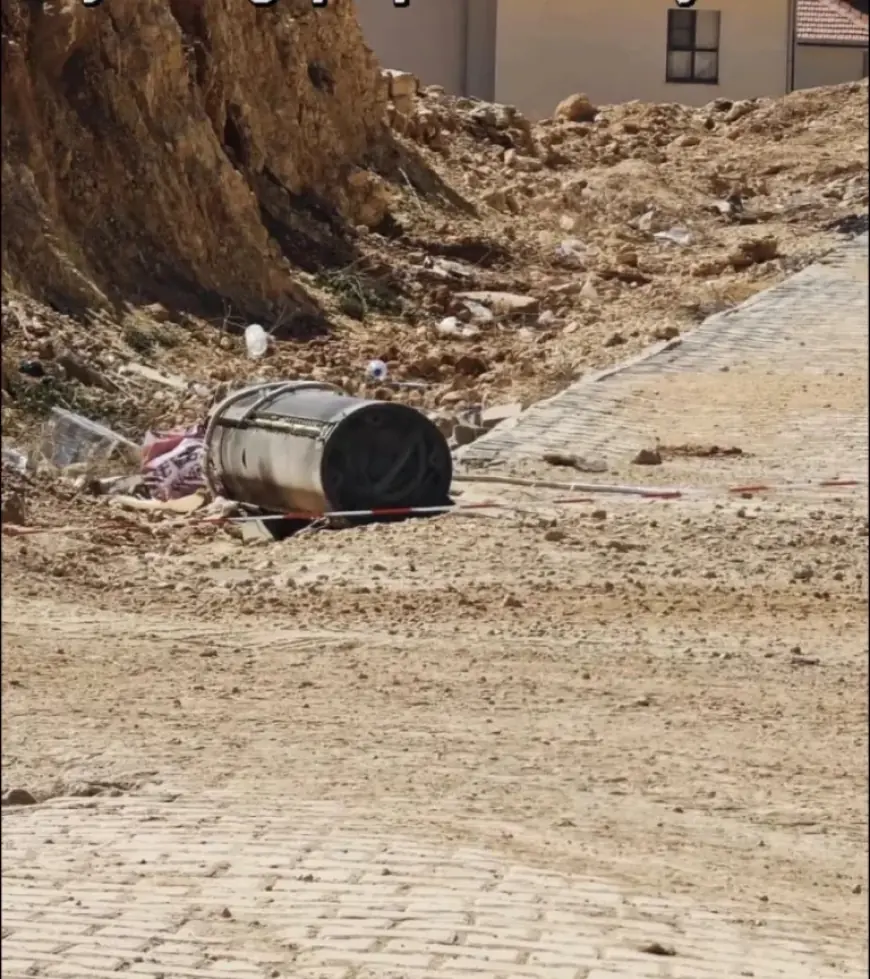
11: 00 a. m. ET — The Milli Savunma Bakanlığı has confirmed that a ballistic projectile fired from Iran was neutralized in the Eastern Mediterranean by NATO air and missile-defense elements and that some fragments fell in Gaziantep. Unconfirmed as of 11: 00 a. m. ET is whether the munition was intended to target Turkish territory; that determination awaits additional official findings and statements.
Milli Savunma Bakanlığı: Missile Neutralized; Debris Landed Near Gaziantep
The Milli Savunma Bakanlığı confirmed that a ballistic munition launched from Iran entered Turkish airspace and was engaged and rendered ineffective by NATO units deployed in the Doğu Akdeniz (Eastern Mediterranean). Some ammunition fragments fell into empty fields in Gaziantep, and the ministry confirmed there were no fatalities or injuries. The ministry reiterated that Turkey values good-neighbor relations while saying that all necessary steps will be taken decisively against threats to Turkish territory and airspace.
İletişim Başkanı Burahanettin Duran Emphasizes Coordination and Warnings
İletişim Başkanı Burahanettin Duran stated that all relevant agencies acted in coordinated fashion from the first moment and underlined that the state’s will and capacity to protect the country’s airspace and borders is at the highest level. Duran emphasized a renewed warning to Iran and all parties to avoid actions that would risk regional security or endanger civilians, and he urged citizens and media to rely on official statements to avoid spreading unverified or panic-inducing content.
NATO Engagement Confirmed; Iran’s Intent Unconfirmed as of 11: 00 a. m. ET
NATO’s role in engaging the projectile is confirmed by the Milli Savunma Bakanlığı statement. Unconfirmed as of 11: 00 a. m. ET is whether the launch targeted Turkey; the earlier March 4 incident is cited in official statements as a similar case in which Iran said Turkey was not the target. The U. S. administration issued a travel-warning message that referenced southeastern Turkey and advised some U. S. personnel and families in Adana to depart, while noting the warning was not nationwide.
Still, the exact provenance of the fragments that landed in Gaziantep’s open areas and the full trajectory analysis remain under official review. The ministry’s statement noted the fall of some debris in Gaziantep but confirmed no casualties; forensic and ordnance assessments by relevant security and defense units are the next confirmed steps to establish technical details.
Yet, international and diplomatic ramifications hinge on whether formal findings show intent to target Turkish territory or whether the projectile was part of wider regional trajectories. Any definitive assignment of intent is unconfirmed as of 11: 00 a. m. ET and depends on the results of those technical assessments and follow-up official declarations.
Confirmed timelines are limited: authorities have released statements about the engagement and aftermath, but no public schedule for further briefings or investigative releases has been announced. The confirmed next event that will move the story is any additional official announcement from the Milli Savunma Bakanlığı or İletişim Başkanı Burahanettin Duran; no date or time for such an update has been confirmed. If the MSB confirms that another projectile entered Turkish airspace, Turkey has stated it will take the necessary defensive steps promptly.