Kharg Island seizure plan could disrupt Iran oil exports and Gulf shipping lanes

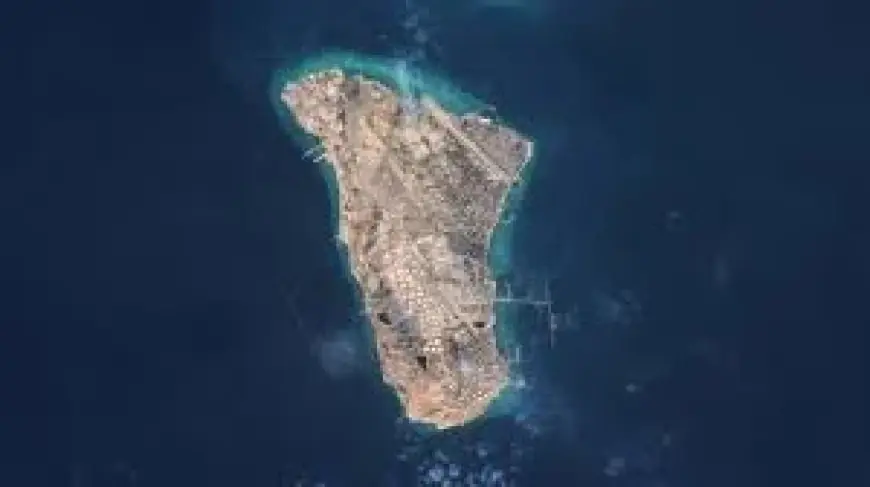
Oil buyers tied to Iran’s export system — and commercial traffic moving through nearby Gulf routes — could face sudden disruption if the U. S. moves to take over a key crude-loading hub. Saturday at 10: 34 p. m. ET, a report said the Trump administration is contemplating special forces operations inside Iran that could include a raid to seize kharg island.
The location matters because kharg island is described as home to the crude loading port at the heart of Iran’s oil export industry. Any attempt to seize it would put immediate pressure on the logistics that move Iranian crude out of the country and could also affect how the U. S. exerts control near shipping lanes used by Iraq and Kuwait.
Kharg Island’s export role and the customers most exposed
The reported planning centers on a site that “handles the overwhelming majority of Iran’s crude exports, ” making it a single point where consequences could concentrate quickly. By nameplate capacity, the terminal is rated to move far more than current Iranian national output, the report said, underscoring how central it is even when overall production levels change.
The primary customers for Iranian oil were described as privately held refineries in China, which consume the overwhelming majority of Iranian crude. That concentration means the first-order effects of any disruption would fall heavily on those buyers and the shipping and trading activity required to lift crude from the port.
Geography also raises the stakes beyond oil cargoes alone. The report said kharg island sits near shipping lanes for Iraq and Kuwait, so the operational value of the island would not be limited to energy infrastructure. It could also shape how maritime movements are monitored or constrained in the surrounding sea lanes.
Trump administration planning described in Axios-linked report
The report said the Trump administration is contemplating a “series of special forces operations” inside Iran, with the possible seizure of Kharg mentioned as one option. Officials referenced in the account discussed Kharg in the context of a campaign to retrieve Iran’s high-enriched uranium fuel supply from a tunnel complex at Isfahan that was described as having been buried by previous U. S. strikes last year.
In that framing, seizing the island was presented as potentially yielding a useful refueling point for special-operations incursions into Iranian territory, alongside the broader objective of exercising control over the region’s sea lanes. The report did not describe a final decision, timetable, or confirmed operational plan.
The same account said Iran would be unlikely to mount an effort to retake the island in the near term because the U. S. has established air superiority along the coast and conventional Iranian naval forces have been substantially destroyed by concerted action from U. S. Central Command. It added that last week, CENTCOM claimed it has sunk more than 30 Iranian warships since the conflict began.
Jarrod Agen’s stated objective and Iran’s limits on controlling oil infrastructure
The report described the “ultimate goal” as taking control of Iran’s oil, attributing that objective to Jarrod Agen, identified as a former Lockheed marketing executive who is now director of the National Energy Dominance Council. In a televised interview cited in the account, Agen said the U. S. would aim to get oil “out of the hands of terrorists, ” framing the effort as a way to reduce concerns tied to the Strait of Hormuz.
Still, the same report cautioned that capturing Kharg alone would not equate to full control of Iran’s oil system. It said almost all of Iran’s oil production occurs on land in mainland provinces, and that full control of the infrastructure would require more thorough intervention — political or military — than the capture of kharg island by itself.
The outcome would change if the White House either authorizes or rejects the contemplated special forces operations; no decision time was provided in the report, and any shift would hinge on an official go-ahead from the Trump administration.