When Does Ramadan End as Lent Overlaps in the Philippines

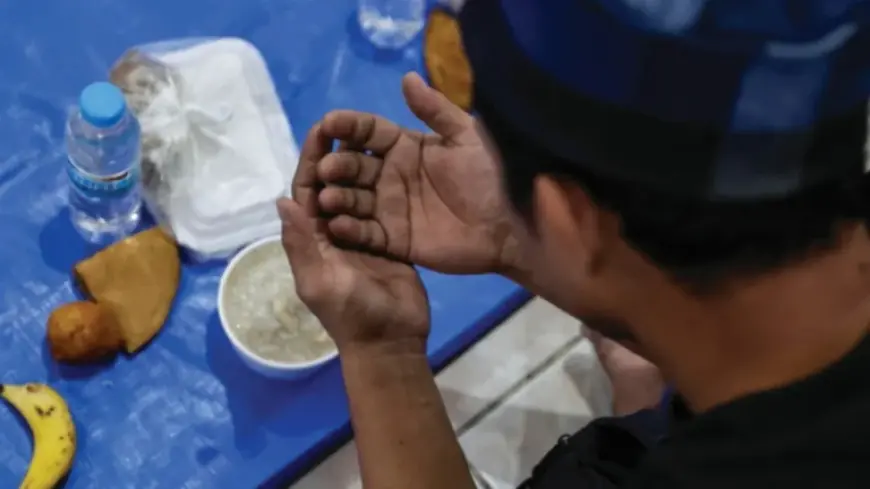
Monday at 9: 00 a. m. ET, Catholic and Muslim communities in the Philippines were described as entering Ramadan and Lent at the same time this year, a convergence highlighted by Bishop Jose Colin Bagaforo of Kidapawan. For readers asking when does ramadan end, the key unresolved point is built into how Ramadan’s start was described: parts of the calendar depend on the sighting of the crescent moon, and the end date is not stated in the available information.
Philippines faith leaders mark Ramadan and Lent starting the same day
Ramadan and Lent began on the same day this year, and church leaders in the Philippines characterized the overlap as a rare and meaningful coincidence for communities that live side by side. Bishop Jose Colin Bagaforo, chairman of the Commission on Interreligious Dialogue of the Catholic Bishops’ Conference of the Philippines, framed it as a shared season of prayer, fasting, and conversion, urging believers to “return to God and to walk together in faith. ”
In the account provided, Ramadan was described as commemorating the first revelation of the Qur’an to the Prophet Muhammad, while Lent was described as preparing Catholics for the commemoration of the passion, death, and resurrection of Jesus Christ. The same convergence was also linked to the shared themes of repentance, generosity, and charity, with the bishop emphasizing that fasting and self-discipline should translate into concrete acts of mercy and justice.
Still, the practical question many people ask—when does ramadan end—is not answered directly in the information available here, even as the start of the observance is described with specific timing.
When Does Ramadan End: what’s confirmed, and what is not stated
What is confirmed in the available account is the way Ramadan’s beginning was timed this year. Ramadan was said to have begun in the evening of 17 February, while the first full day of fasting started on Wednesday, 18 February. That start was described as subject to the sighting of the crescent moon, which makes the timing dependent on an observable event rather than a fixed statement in the text.
What is not stated is any date or time for the end of Ramadan. As of 9: 00 a. m. ET, the provided information does not include a concluding day for Ramadan, does not name Eid-related observances, and does not give a schedule for the final fast. Because the context explicitly ties the start to moon sighting, the clearest, story-based reason the end is unresolved here is simple: the end date is not included in the material, and the account points to lunar observation as a factor in determining at least the beginning.
For Lent, the account provides a more specific anchor: Wednesday, 18 February, was identified as Ash Wednesday and the beginning of the Lenten journey for Catholics. Yet the article does not include the later milestones of Lent either, keeping the focus on the shared beginning rather than end dates.
Bishop Jose Colin Bagaforo’s message hinges on shared practices and visible next markers
Bishop Bagaforo described both Ramadan and Lent as traditional seasons of prayer, repentance, fasting, and charity, arguing that believers “learn again to see one another as brothers and sisters. ” He also pointed to scriptural calls to peace, referencing “Blessed are the peacemakers” (Matthew 5: 9) and the Qur’anic invitation to the “Home of Peace” (Qur’an 10: 25). His message emphasized that peace must be rooted in right relationships—with God, with others, and with creation—and that care for the environment is an essential dimension of social harmony.
That said, several practical details that would clarify public timelines remain absent from the provided material: there is no confirmed schedule for joint events, no announced community calendar of observances, and no specific public marker for the concluding days of either season. In the story’s terms, the concrete observable trigger that clarified the start was the “sighting of the crescent moon”; any similarly stated trigger for the end is not provided.
The next confirmed point of clarity within this context is not a dated public event but the stated basis for determining the fasting calendar at the start—crescent moon sighting—paired with the already identified start points: the evening of 17 February for Ramadan’s beginning and Wednesday, 18 February, for the first full day of fasting and for Ash Wednesday. If a later official community notice or calendar is issued (not included here), that is the kind of specific update that would answer the timing question directly.