Kospi Index Rebounds After Record Drop as Oil Supply Disruption Continues

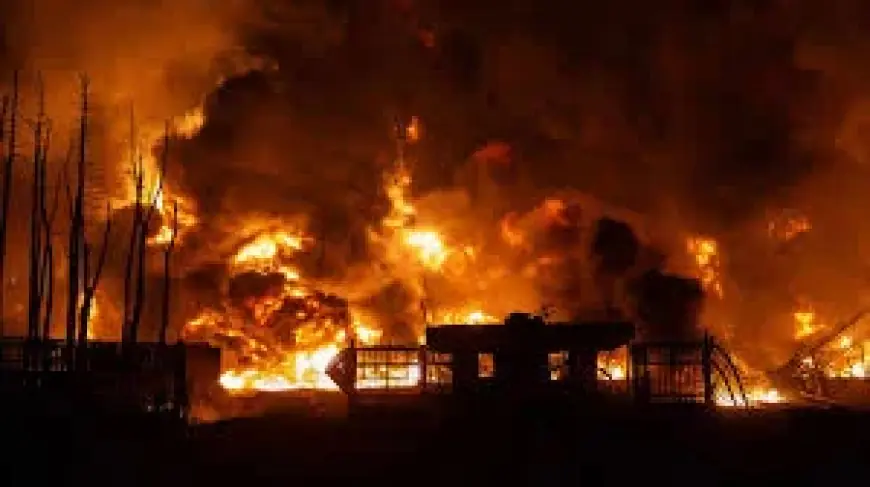
Thursday at 8: 30 a. m. ET, Asian markets staged a rebound while oil climbed following initial reports of an attack on a U. S. -registered tanker; the kospi index recovered strongly, but the reported cause and the wider fuel-supply impact are unconfirmed as of 8: 30 a. m. ET.
Kospi Index Move: Confirmed market rebound and recent extremes
South Korea’s KOSPI posted its biggest ever fall of 12% on Tuesday and then rose by almost 10% on Thursday, a confirmed swing in market moves. Japan’s Nikkei climbed 1. 9% and MSCI’s Asia-Pacific index excluding Japan jumped by 2. 7%, reflecting a broad, confirmed regional rebound in equities.
Oil and Gas Prices: Confirmed increases and Tasnim’s initial report
Brent crude lifted by 3. 3% to $84 a barrel, and broader energy markets pushed higher: UK gas rose by almost 1% while European natural gas futures climbed about 2%. Initial reports indicate that Iran’s Tasnim news agency said a U. S. -registered oil tanker in the northern Persian Gulf had been hit by a missile launched by Iranian forces; that specific strike is unconfirmed as of 8: 30 a. m. ET.
Qatar Suspension, Market Controls and Corporate Impacts
Qatar suspended activity at its liquefied natural gas facilities and declared force majeure on gas exports, a confirmed disruption. Initial reporting in coverage of the suspension indicated a return to normal production volumes could take at least a month; that recovery timeline is unconfirmed as of 8: 30 a. m. ET. Still, exchanges reacted: Abu Dhabi’s market fell 2. 6% and Dubai’s exchange dropped 2. 2%, and both exchanges set a temporary 5% lower price limit on securities, confirmed steps intended to limit volatility.
Yet, elsewhere confirmed moves affected corporate travel and costs: Wizz Air has cancelled flights to and from Israel, Dubai, Abu Dhabi and Amman until 15 March and warned of a €50m hit to annual profits; its London-listed shares fell as much as 6% and other airline stocks declined. In South Korea, ruling party lawmaker Kim Young-bae warned that the US-Israeli war with Iran could disrupt supplies of important semiconductor manufacturing materials after meeting executives from firms such as Samsung Electronics, a confirmed government warning about potential supply-chain pressure.
That said, market commentary in the region noted mixed drivers behind trading: one investment manager pointed to stronger U. S. economic data and service-sector activity as helping risk appetite, a confirmed observation about competing market signals, while missiles and airstrikes were described in initial reports as continuing across the region; those operational military details remain unconfirmed as of 8: 30 a. m. ET.
For now, the confirmed next date that will move parts of this story is 15 March, when Wizz Air’s current flight cancellations are scheduled to end. If Qatar returns to normal LNG production volumes within about a month, energy-price pressure is expected to ease by that timeframe; if those production shortfalls persist beyond a month, elevated oil and gas prices are likely to continue weighing on regional markets and corporate earnings.