Openclaw excitement draws crowds from Manhattan to Shenzhen as AI agents spread

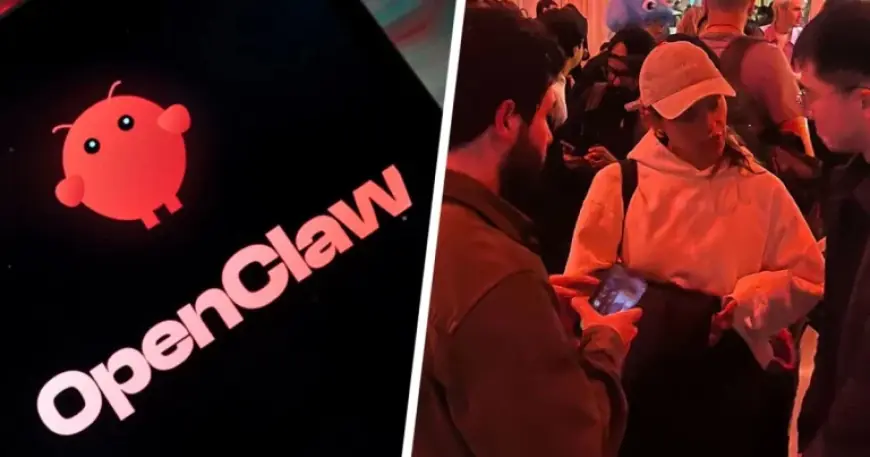
People looking to offload everyday digital chores—from inbox summaries to negotiating purchases—are turning to openclaw, and the momentum showed up in real-world lines and packed rooms as of Monday at 11: 00 a. m. ET. In New York, a lobster-themed meetup called ClawCon NYC drew a thousand-plus crowd to hear about the tool, while in southern China, nearly 1, 000 people lined up outside Tencent Holdings’ Shenzhen headquarters to install it.
For users, the appeal is practical: supporters describe a “personal AI” helper that can carry out tasks with limited human oversight after setup. Yet the rapid embrace is also happening alongside rising privacy concerns tied to AI agents, which are designed to take action on a user’s behalf rather than simply answer questions.
Openclaw users chase hands-off help for work, shopping and messages
At its simplest, OpenClaw is a free software package that lets people create “agents”—AI systems that can perform autonomous tasks with limited human oversight. After users set up an OpenClaw agent on a physical computer or through a virtual provider, they can message it by text or WhatsApp and direct it to handle tasks that fit within today’s AI capabilities.
Examples described by users include having agents listen to podcast episodes and send summaries to an inbox, negotiate with car dealers over the price of a vehicle, and order and pay for grocery deliveries without direct human input. In China, consumers are using OpenClaw for stock picking, report writing, slide decks, emails and coding, reflecting how the tool has moved beyond a narrow developer audience.
One early adopter, Mark Yang, a Shanghai-based designer, said using the AI assistant felt like having “virtual staff” that handled assignments and reduced workload. Still, as global concern rises over AI and the potential for agents to disrupt lives and industries, the rush to adopt is also unfolding as privacy concerns intensify.
ClawCon NYC turns OpenClaw into a cultural moment for AI enthusiasts
ClawCon NYC, held Wednesday night in Manhattan, blended a convention-style pitch with a party atmosphere—free lobster tails, stage presentations, a rap performance and an open dance floor—drawing an eclectic crowd that included college students, working moms and hedge fund technology teams.
Michael Galpert, one of the event’s hosts, told the “thousand-plus crowd” to settle as the evening’s presentations began, welcoming attendees to ClawCon. For many, the seafood-themed hook served as a gateway to a tool they believed could make AI feel more actionable in everyday life.
Tomas Taylor, a programmer and ClawCon organizer, said “OpenClaw has been a sort of catalyst for personal AI systems, ” adding that he used his own OpenClaw system to help plan the event and interact with vendors. The gathering also highlighted how some users now see themselves as early participants in a fast-moving ecosystem: several attendees who started using the software in January referred to themselves as “veterans. ”
Tencent Holdings’ Shenzhen install line shows OpenClaw adoption moving mainstream
In southern China, enthusiasm took on a different form: on Friday, nearly 1, 000 people lined up outside Tencent Holdings’ Shenzhen headquarters to install OpenClaw on their computers. The mix included amateur developers, retired space engineers, housewives, students and AI enthusiasts, gathering after an invitation from Tencent’s cloud-computing unit, with engineers installing the software for free.
At the same time, social media posts offered similar installation services for fees ranging from tens to hundreds of yuan, underscoring how demand has created a parallel market for setup help. Tencent’s initiative reflects a broader effort by Chinese tech companies to capitalize on surging enthusiasm for OpenClaw as it spreads beyond developers to hobbyists and ordinary users.
OpenClaw is designed to be accessible to anyone and can be used with paid AI systems from OpenAI and Anthropic or with freely downloadable AI models, including ones from Chinese companies like DeepSeek or Alibaba. The agents can also teach themselves how to perform new tasks and keep detailed notes about a user’s preferences, allowing them to adapt over time. OpenClaw itself relies on volunteers to maintain its code and support users.
If the installation events and packed meetups continue, the next shift will hinge on whether companies and communities expand hands-on setup efforts while users weigh the privacy concerns that have intensified alongside the rapid spread of AI agents.