Bahrain Desalination Plant Damaged in Iranian Attack, Force Majeure Risk Unclear

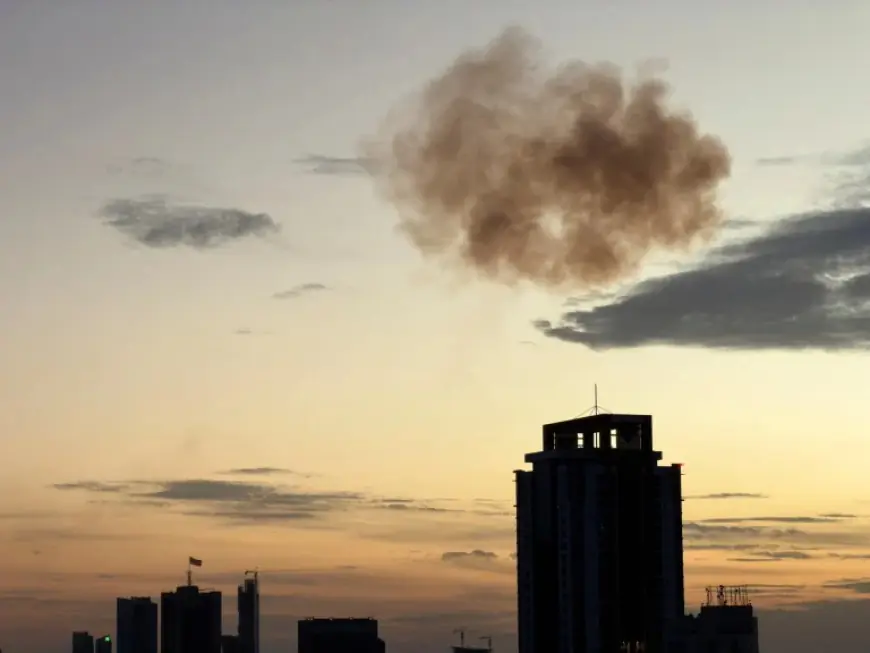
Sunday morning ET, Bahrain said an Iranian drone attack damaged a water desalination plant and injured three people, raising Force Majeure questions about freshwater supply and repair needs; what will resolve the picture is confirmation of operational status and verified water-supply impacts from official follow-ups.
Bahrain Ministry of Interior confirms plant damage, three people injured
Confirmed: The Bahraini Ministry of Interior said an Iranian drone attack on Sunday morning damaged a desalination plant that processes seawater to supply freshwater to residents, and that three people were injured. Still, the ministry also said sirens were activated in Muharraq and that fragments of a missile fell near a university building in northern Bahrain, where material damage and injuries occurred.
Force Majeure invoked in Iran’s statement on Qeshm Island and village water impacts
Confirmed: Iran’s Foreign Minister Abbas Araghchi said the United States had previously targeted a freshwater desalination plant on Qeshm Island and described that action as a “blatant and desperate crime. ” Unconfirmed as of Sunday morning ET: the extent of water-supply impacts tied to those claims. Iran’s statement said “Water supply in 30 villages has been impacted, ” but that specific impact remains unverified by independent sources.
Kuwait military interceptions and Gulf desalination capacity underline exposure
Confirmed: Kuwait’s military said its air-defence systems intercepted missiles and drones and that fuel tanks at Kuwait’s international airport were targeted in a drone attack; the military said a fire at the airport was brought under control. Yet, the military also said some civilian facilities sustained material damage from falling fragments and debris from interception operations.
Confirmed: The region hosts approximately 400 desalination plants in the Gulf states, and those plants produce about 40 percent of the world’s desalinated water; Bahrain is estimated to generate the majority of its drinking water from such facilities. That concentration of production frames why damage to a single plant can raise concerns about supply continuity and potential Force Majeure conditions for utilities and customers.
Confirmed: The reporting also noted the wider conflict context: Iran has made widespread use of drones in the war against the United States and Israel, which the coverage said is in its ninth day. Unconfirmed as of Sunday morning ET: whether the pattern of drone attacks will include additional direct strikes on desalination infrastructure in Bahrain or other Gulf states beyond the incidents already described.
Confirmed: In a separate announcement, the Bahraini Interior Ministry said three people were injured when missile fragments fell near a university building in Muharraq. Unconfirmed as of Sunday morning ET: detailed casualty information and the full extent of damage to that university building; the ministry’s brief statement did not provide repair timelines or a damage estimate.
Confirmed: Kuwait also announced that two of its officers were killed “while performing duties. ” Unconfirmed as of Sunday morning ET: the specific circumstances of those deaths, which the Interior Ministry in Kuwait did not elaborate on in the statements covered.
Still, what will clarify the situation are concrete, verifiable updates from the parties involved: official confirmations of the desalination plant’s operational status in Bahrain, independent verification of water-supply impacts to specific communities, and damage assessments for affected facilities. Each of those disclosures would directly change the supply outlook for consumers and operators in Bahrain and the wider Gulf.
Confirmed next event that will move the story: additional official statements from the Bahraini Interior Ministry, Iran’s foreign ministry, or Kuwait’s military were not scheduled in the released statements. If an operational outage at the Bahraini desalination plant is confirmed, water-supply pressure in Bahrain is expected in the short term and will be the primary metric officials and residents watch for follow-up updates.