Brent Crude Surges 20% as Petrol Prices Rise and Supply Risk Persists

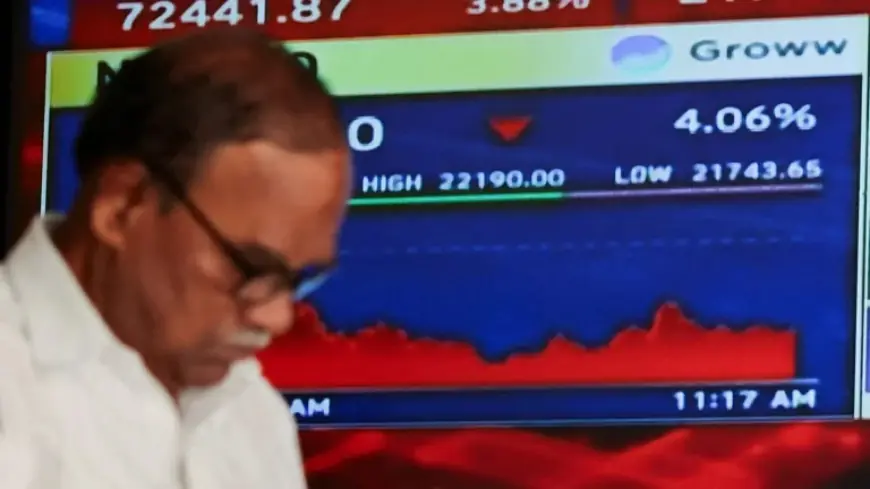
8: 30 a. m. ET — CONFIRMED FACT — Brent crude has surged by more than 20% to $114 a barrel, the largest single-day increase in six years, and petrol prices have risen as markets reassess supply risks; what will resolve the picture is whether maritime traffic through the Strait of Hormuz resumes and whether oil storage and export operations restart.
Petrol Prices and the Brent Surge
CONFIRMED FACT — Brent crude rose to $114 a barrel in the biggest single-day gain in six years, following a 28% jump last week. Still, UNCONFIRMED — the precise level of sustained upward pressure on petrol prices is unconfirmed as of 8: 30 a. m. ET, because the market is pricing in disruptions tied to chokepoint closures and recent attacks on oil infrastructure.
South Korea’s KOSPI Circuit Breaker and Asian Market Moves
CONFIRMED FACT — Asian equity markets plunged early, with South Korea’s KOSPI index plunging by more than 6% and an emergency circuit breaker halting trading for 20 minutes. Still, CONFIRMED FACT — futures tracking indices in Europe and the US have also dropped, with futures data from online trading platform IG indicating the FTSE 100 would open around 1% lower and counterparts in France and Germany would fall by more than 2%.
The Strait of Hormuz Closure That Altered Supply Flows
CONFIRMED FACT — Maritime traffic has effectively ground to a halt after threats to attack ships attempting to cross the Strait of Hormuz, a route that handles roughly 20% of global oil shipments. INITIAL REPORTS indicate strikes on 30 Iranian oil storage depots and Iran retaliation at oil sites and water desalination plants; these initial reports are unconfirmed as of 8: 30 a. m. ET. Still, CONFIRMED FACT — major producers in the region have been described as shutting in supplies, and one contextual estimate put 20 million barrels per day of 105 million barrels daily through the strait.
UNCONFIRMED — market commentary has noted oil rose as much as 30% during the session and was described as sitting at around 25% above earlier levels in one summary; those intraday peak figures are unconfirmed as of 8: 30 a. m. ET. CONFIRMED FACT — the recent moves have been characterized as forcing a rush to secure or hedge oil needs, producing record one-day percentage moves that outpaced prior single-day gains.
Still, CONFIRMED FACT — concerns extend beyond immediate spot pricing. Higher oil prices have raised worries about inflationary pressures that could raise living costs and make interest rate cuts less likely; markets are now pricing in just a 40% chance of a Bank of England interest-rate cut, a metric reflecting broader financial-market reaction to the oil shock.
UNCONFIRMED — whether coordinated policy responses or strategic releases from national reserves will be announced is unconfirmed as of 8: 30 a. m. ET. INITIAL REPORTS note that one major producer completed a rare tender sale of 2 million barrels to a Japanese refiner, and one market summary flagged that some countries may prepare reserve releases; these items are initial reports or unconfirmed in their broader policy implications.
That said, CONFIRMED FACT — voices in markets have framed the situation in geopolitical terms: one chief economist at a major bank said the global economy remains dependent on the concentrated flow of Mideast oil through the Strait of Hormuz, underscoring why disruptions immediately amplify petrol prices and equity volatility.
Closing: CONFIRMED NEXT EVENT — A G7 meeting call is planned at 8: 30 a. m. ET (1230 GMT). If participants on that call agree to coordinated measures or to release strategic reserves, petrol prices are expected to ease within weeks; if the Strait of Hormuz remains effectively closed, elevated petrol prices and associated market stress are expected to persist beyond that timeframe. UNCONFIRMED — any specific coordinated action from the G7 call is unconfirmed as of 8: 30 a. m. ET.