Australian Grand Prix: Did New-Era F1 Offer Real Racing or Simulated Gameplay?

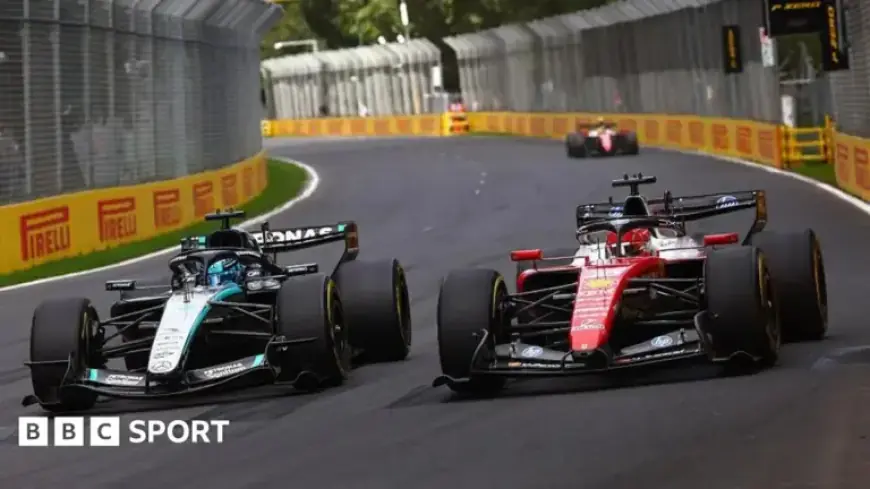
The 2023 Australian Grand Prix witnessed a thrilling showdown that highlighted the complexities of the new era of Formula 1 racing. The race raised questions about whether this modern twist offers genuine racing excitement or merely simulates gameplay situations.
Key Highlights from the Race
- Race Winner: George Russell of Mercedes clinched victory.
- Runner-Up: Kimi Antonelli, also from Mercedes, secured second place.
- Third Place: Charles Leclerc finished third, representing Ferrari.
- Fourth Place: Lewis Hamilton, another Mercedes driver.
- Fifth Place: World champion Lando Norris from McLaren.
Driver Reactions
George Russell labeled his opening skirmish with Leclerc as “dicey.” Leclerc acknowledged the impact of the new racing rules, stating that continually utilizing and deploying 350 kW (470 bhp) of electrical power will transform strategies for racing and overtaking.
Lewis Hamilton expressed enjoyment, calling the experience “really fun to drive.” However, Lando Norris cautioned that F1 seems poised for potential accidents due to vast speed differentials. Max Verstappen, a four-time champion, commented on his dissatisfaction with the current format, wanting a better racing experience.
Concerns About Racing Dynamics
The dynamic between Russell and Leclerc showcased the influence of the new technology. So-called “overtake” or “boost” modes allowed drivers to pass each other but also left them vulnerable. The fierce competition resulted in Hamilton and Antonelli inching closer, creating a thrilling four-way battle for the lead.
A virtual safety car altered strategies, resulting in a comfortable win for Russell and a Mercedes one-two finish. However, the race revealed legitimate concerns among drivers about the potential for catastrophic incidents.
Safety Warnings
The start of the race exhibited alarming speed differentials. A near-accident involving Liam Lawson and Franco Colapinto showcased safety concerns. Norris voiced worries over the chaotic racing environment, predicting it might lead to severe accidents.
Drivers now face high-speed variances, sometimes exceeding 50 km/h between competitors. This situation increases the risk of serious incidents on track, causing anxiety among participants.
Is This Real Racing?
The debate looms over the essence of racing in the current format. McLaren team principal Andrea Stella described the reliance on activated electrical energy as “a little bit artificial.” He emphasized the need for constant evaluation of the overtaking dynamics, noting that once strategies align, overtaking opportunities become lacking.
The 2023 season raises critical discussions about the effectiveness and safety of the new rules, prompting teams and drivers to reflect on potential adjustments after the first three races. As the teams head to China for the next event, the focus remains on enhancing real racing experiences in the face of advancing technology.