Australians Urged to Avoid Panicked Fuel and Food Purchases

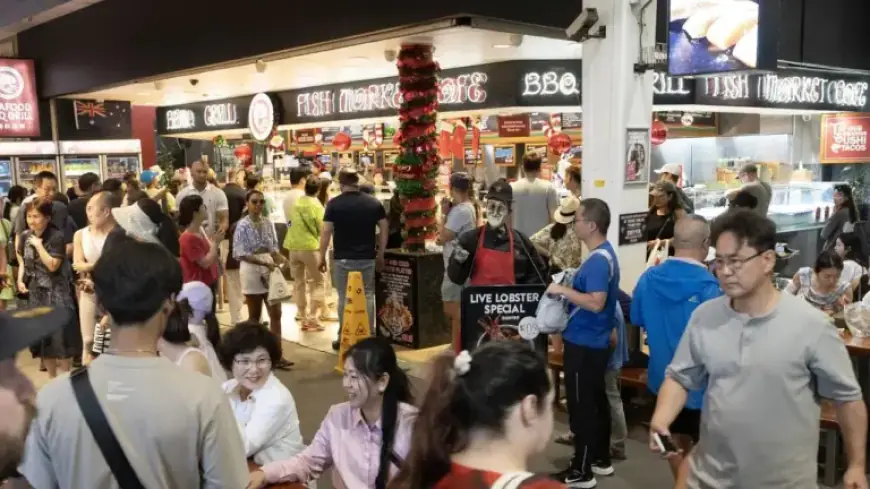
Australians are being cautioned against panic buying food and fuel amid increasing tensions in the Middle East. The ongoing conflict, which has now entered its tenth day, has influenced fuel prices across major Australian cities.
Affected Fuel Prices and Supplies
The conflict has caused the closure of the Strait of Hormuz, a critical transit route for global oil shipments. Transport Minister Catherine King stated that the ongoing situation would undoubtedly impact the Australian economy, especially in the context of a cost of living crisis.
She emphasized the importance of not succumbing to panic buying, stating, “People shouldn’t panic into panic buying fuel or food.” The Albanese government has assured citizens that current fuel stocks exceed mandatory levels. Nonetheless, there are concerns regarding reports of fuel supply issues, particularly from Queensland.
Challenges in Regional Areas
Alarm bells have been sounded regarding access to fuel in regional communities. In Western Australia, opposition agriculture spokesperson Lachlan Hunter reported a significant diesel shortage that is already halting some farming operations. Hunter claims that diesel deliveries have ceased, with some farmers informed that supply may not resume for several weeks.
Nationals leader David Littleproud expressed concern that farmers are facing supply constraints from major oil companies. He warned that many farmers are left with just the fuel stored in their equipment, risking a potential impact on food production.
Calls for Investigation and Reassurance
- Jim Chalmers, Treasurer, has contacted the ACCC regarding potential price gouging.
- Littleproud urged an investigation into the oil distribution market to ensure local farmers have the resources they need.
- Transport for NSW confirmed that Australia’s fuel supply is currently secure.
Opposition energy spokesmen Dan Tehan and Andrew Hastie have raised concerns over Australia’s fuel reserves. They warned of a potential return to rationing reminiscent of World War II, urging the current government to implement strategies to ensure fuel availability.
Conclusion: Prioritize Supply Chain Stability
In summary, while the government maintains that adequate fuel supplies exist, regional shortages pose a serious challenge. Policymakers need to ensure continuity in supply to protect the agricultural sector and maintain stability across the food supply chain. Australians are urged to refrain from panic buying and remain informed about the situation.