Qatar Prime Minister Condemns Strikes in Iran War Qatar, Urges De-escalation

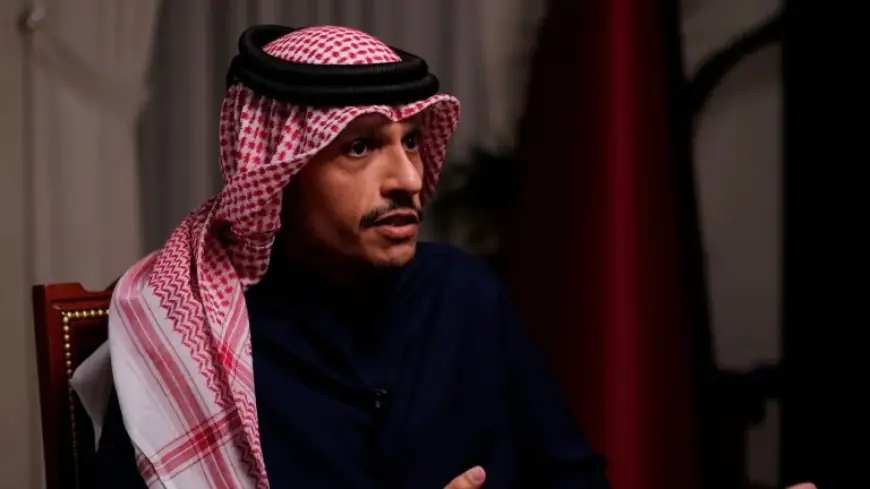
9: 00 a. m. ET — In an exclusive interview, Qatar’s prime minister Sheikh Mohammed bin Abdulrahman al Thani confirmed that Qatar has come under repeated missile and drone attacks and said “the attacks must stop. ” The prime minister said the path forward is unclear and that whether Tehran will step back or enter renewed negotiations will determine whether de-escalation occurs.
Confirmed: Sheikh Mohammed’s statements and Qatar’s immediate conditions
Sheikh Mohammed bin Abdulrahman al Thani confirmed in the interview that Qatar has been subjected to repeated missile and drone attacks and described the situation as “a very difficult period. ” He praised the professionalism of Qatar’s defence and security forces, called the strikes a “dangerous miscalculation, ” and said the attacks have damaged regional stability and the global economy. These remarks are confirmed from the exclusive interview.
Iran War Qatar: targets, denials and disputed claims
Still, claims about who or what was intentionally targeted are contested. The prime minister pushed back against claims that the strikes were aimed solely at military targets and said international airports, water utilities and gas infrastructure have been in Tehran’s crosshairs. These assertions are confirmed as his statements; whether those strikes were deliberately directed at civilian infrastructure is unconfirmed as of 9: 00 a. m. ET.
Sheikh Mohammed identifies de-escalation and U. S. pressure as resolution triggers
Yet the prime minister repeatedly stressed that military escalation would deepen the crisis and that responsibility to step back lies with all sides. He said Qatar continues to seek de-escalation and urged renewed negotiations as the answer. He also called on the United States to reduce tensions; that appeal is confirmed as part of his interview remarks. Whether those appeals lead to concrete diplomatic talks or a halt to strikes is unconfirmed as of 9: 00 a. m. ET.
For now, the immediate observable triggers that would clarify the picture are specific and narrow: a public, verifiable cessation of missile and drone strikes affecting Qatar and other Gulf countries; the formal opening of renewed negotiations involving Tehran and Gulf interlocutors; or a named, scheduled diplomatic session announced by one of the governments involved. Each of those would move the situation from contested statements to verifiable action.
Initial reports indicate the prime minister views the strikes as a betrayal given Qatar’s historical diplomatic channels with Iran; that characterization is confirmed from his comments in the interview. Initial reports that the strikes targeted civilian infrastructure remain unconfirmed as of 9: 00 a. m. ET and hinge on independent verification of specific strike locations and damage assessments.
The stakes are concrete: if Tehran halts strikes and accepts renewed talks, Qatar’s prime minister said de-escalation could follow and regional stability could begin to recover. Conversely, if strikes continue, the prime minister warned the escalation risks further destabilising the Gulf and damaging critical civilian infrastructure and economic activity; those outcomes are described in his confirmed comments.
There is no confirmed, scheduled diplomatic meeting or public timetable announced in the interview that will resolve the dispute. The next confirmed developments that would move the story are either a clear, verifiable pause in attacks or formal notice of renewed negotiations from one of the governments involved. If renewed negotiations are confirmed, de-escalation is expected as the intended outcome, per the prime minister’s statements.