Oil Surges $10 as U.S. Crude Tops $100, Reaches $111

The recent movement in the oil market has captured significant attention, particularly as U.S. crude oil prices soar above $100. This surge, with West Texas Intermediate (WTI) futures jumping by as much as $10, reflects the ongoing volatility in global oil production.
U.S. Crude Prices Reach $111
The WTI crude price has reached an alarming $111, marking a dramatic increase from earlier this year. The upward trend is largely attributed to geopolitical tensions and decisions by major oil-producing nations.
Production Cuts Impacting Global Supply
Iraq has announced a reduction in crude production by 3 million barrels per day. This cut effectively eliminates the global surplus and impacts other oil producers, who may also have to reduce output.
- Iraq’s production cut: 3 million barrels per day
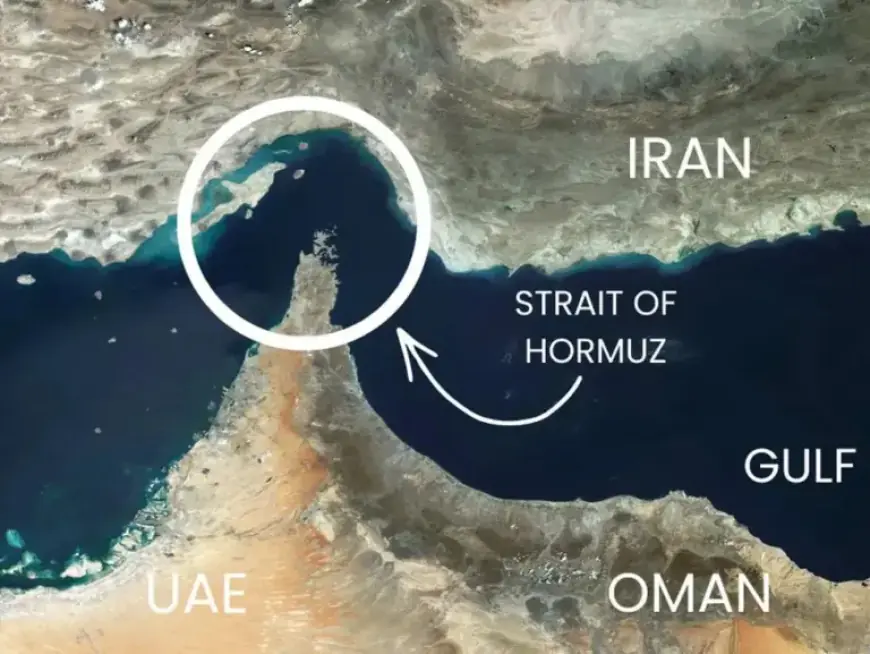
- Significant portion of global oil flows through the Strait of Hormuz
- Impact on retail gasoline prices anticipated at $4 per gallon
Inflationary Pressures and Market Reaction
The rise in oil prices has immediate implications for inflation. Analysts estimate that this increase could add 0.3 to 0.5 percentage points to the year-over-year Consumer Price Index (CPI).
Other sectors affected by rising oil prices include:
- Diesel fuels
- Airfare costs
- Food prices
- Petrochemicals and plastics
- Utility rates
The bond market’s behavior is unusual in light of the oil price surge. Normally, a risk-off sentiment might push bond yields down, but inflationary pressures from oil are overshadowing this trend.
Historical Context
Looking back, WTI crude was priced between $65 and $70 in March 2025. This current surge represents a staggering increase of approximately 55 to 65% year-over-year. Such a base effect will significantly influence inflation metrics for the foreseeable future.
In summary, oil has surged $10 as U.S. crude tops $100 and reaches $111, driven by production cuts and geopolitical tensions. The implications for inflation and market dynamics are critical for central banks and policymakers.