Loretta Lynn Tops List of Female Country Songs Banned From Radio

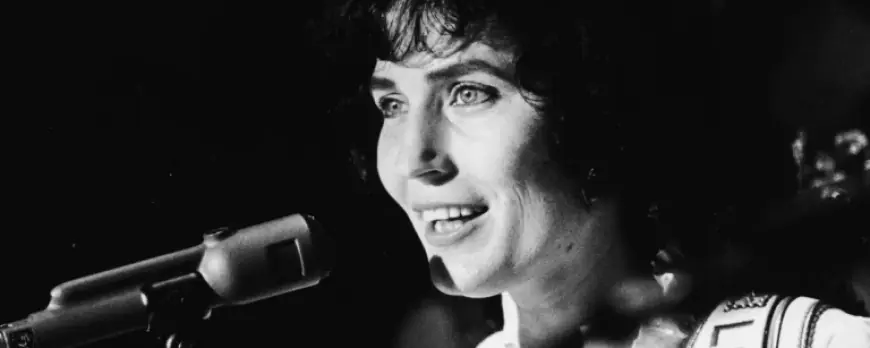
Tuesday at 9: 00 a. m. ET — American Songwriter published a roundup naming ten songs by female country artists that were banned from radio, and loretta lynn holds the first three spots. The piece ties that listing to a renewed moment because some radio stations in 2024 moved to block a country crossover single from Cowboy Carter.
Female country artists have long received fewer plays on radio, and the American Songwriter list underscores how bans amplify that imbalance. The writer notes that bans add another disadvantage on top of limited airplay, and points to several high-profile examples spanning decades.
Loretta Lynn’s three banned tracks and why stations reacted
Loretta Lynn occupies the first three positions on the list. Her 1975 track “The Pill” was banned by radio stations for celebrating the independence and bodily autonomy oral contraception could give a woman. A 1972 single, “Rated X, ” addressed the double standards women face after divorce; despite bans, that song moved up the charts as listeners pushed back. An earlier 1968 track from Lynn was judged too violent by stations after it described physical retaliation against a woman involved with Lynn’s husband while she toured.
Dolly Parton, Kitty Wells and the later-era controversies
Dolly Parton appears on the list for a title track from her fifteenth studio album that country stations banned over what some deejays perceived as a subtle reference to prostitution. Kitty Wells’ 1952 hit “It Wasn’t God Who Made Honky Tonk Angels” was among the earliest female-voiced songs to be banned after it challenged the idea that women were always to blame for heartache. The Dixie Chicks’ 1999 song “Goodbye Earl” was banned by some stations because lengthy descriptions of premeditated murder made programmers uncomfortable.
How 2024’s radio decisions brought old bans back into focus
The roundup links these historical bans to a recent flashpoint: in 2024, some stations reacted to Beyoncé’s country crossover, Cowboy Carter, by declining to play the album’s lead single “Texas Hold ’Em. ” That contemporary refusal prompted the list’s author to revisit past cases and argue that bans against female artists have accumulated partly because women have fewer songs in rotation to begin with, making each removal proportionally larger.
American Songwriter’s selection covers ten examples in total and argues the pattern of bans has repeatedly targeted songs that center women’s perspectives on sex, independence, violence and social double standards. The piece highlights how listener response can counteract bans, as happened with “Rated X, ” and how gatekeeping decisions have recurred from the 1950s through 2024.
More details expected 2: 00 p. m. ET.