Gulf Oil Giants Slash Output, Amplifying Market Chaos

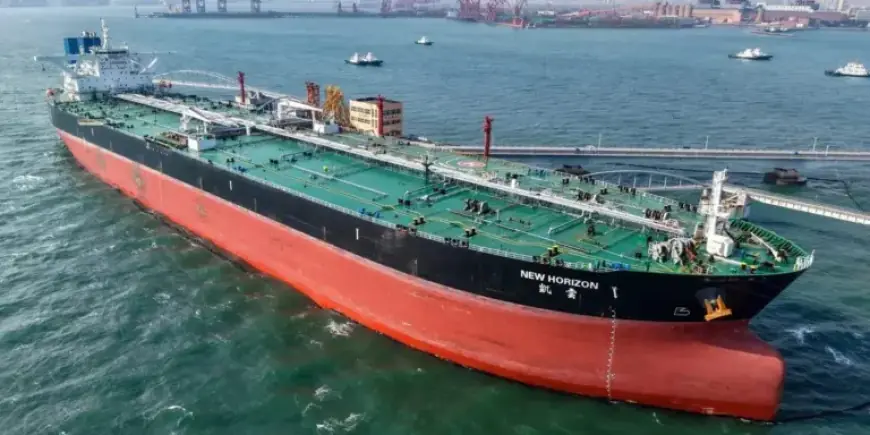
The ongoing turmoil in the oil market is escalating as Gulf oil giants implement significant production cuts. The conflict in Iran has severely compromised access to the Strait of Hormuz. As a result, oil supply chains are heavily disrupted, amplifying market chaos.
Production Cuts by Gulf Oil Giants
The United Arab Emirates and Kuwait have begun reducing their oil production. Iraq’s output has plummeted by approximately 60% due to the unrest. These cuts are in response to rapidly declining storage capacities, as oil tankers avoid the treacherous waters of the Strait of Hormuz.
Impact on Regional Oil Production
- Saudi Arabia is redirecting crude shipments to its Red Sea coast.
- Iraq’s production has dropped from 4.3 million barrels per day to about 1.7 million.
- Saudi Arabia’s exports from the Red Sea have surged to about 2.3 million barrels daily.
This effectively closes off a crucial waterway that typically handles about 20% of the world’s oil supply. The conflict, now ongoing for nine days, leaves little indication of a swift resolution.
Escalating Prices and Market Reactions
Recent events have led to a significant spike in oil prices. Brent crude rose 30% last week, reaching near the psychological threshold of $100 per barrel. Specific markers such as:
- Abu Dhabi’s Murban crude closed at $103 per barrel.
- Oman crude futures reached $107.
- Chinese crude oil futures traded at $109.
Future Projections and Analysis
Industry experts warn that continued disruptions may lead to escalating oil prices in the short term. Stefano Grasso, a senior portfolio manager, noted that any further day of disruption adds immense pressure on market prices.
Potential threats to oil infrastructure include drone attacks on Saudi facilities, further complicating the situation. These risks elevate concerns about sustained supply chain disruptions.
International Responses and Safeguards
The U.S. has announced plans to enhance maritime protection in the Persian Gulf. This includes:
- Maritime reinsurance covering losses up to $20 billion.
- Possible military escorts for ships in the region.
Despite this, shipping companies prioritize vessel safety over insurance costs. Full naval escorts, similar to Operation Prosperity Guardian, could restore confidence among shipowners.
Global Implications and Projections
Countries heavily reliant on oil imports from the Middle East are feeling immediate impacts. Japan, for example, sources over 90% of its crude from the region and is exploring options to tap into national reserves. Meanwhile, South Korea is contemplating reinstating an oil price cap for the first time in decades.
Across Europe, the price of jet fuel has surged to unprecedented levels, causing concern as half of the EU’s imports transit through the Strait of Hormuz. Analysts predict a scenario of four weeks of disruption, focusing on the potential temporary normalization of oil flows if the conflict abates.
As the situation unfolds in the Gulf, oil prices are likely to remain volatile, with the potential to set new records during this period of upheaval.