‘Country’ Joe McDonald, Woodstock Icon and Vietnam War Protester, Dies at 84

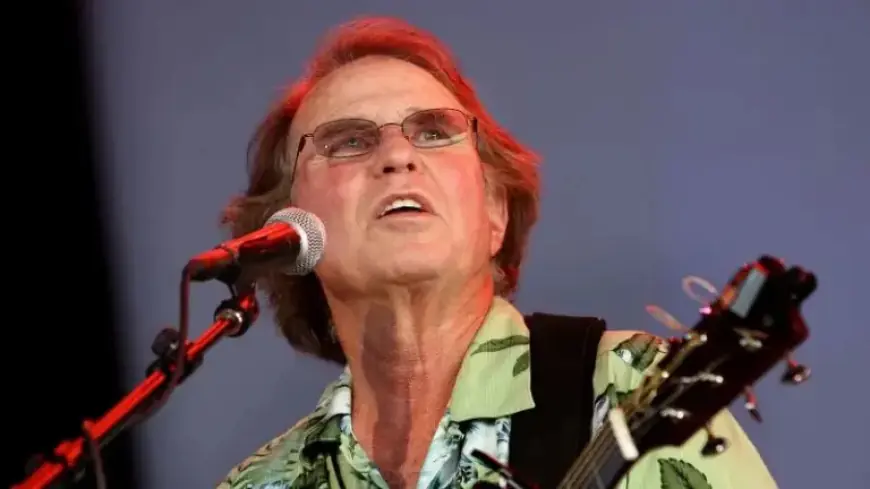
“Country” Joe McDonald, an iconic figure of the 1960s music scene and prominent Vietnam War protester, passed away on Sunday at the age of 84. His death, attributed to complications from Parkinson’s disease, was confirmed by his wife, Kathy McDonald, in a statement from his publicist. McDonald died in Berkeley, California, where he spent a significant portion of his life.
Legacy of Protest Through Music
McDonald is best known for his anti-war anthem, “I-Feel-Like-I’m-Fixin’-To-Die Rag.” This song became a rallying cry for those opposed to the Vietnam War, particularly during the iconic Woodstock festival in 1969. Collaborating with his band, Country Joe and the Fish, he crafted music that highlighted the tension and turmoil of the era.
Early Life and Musical Beginnings
- Birth: January 1, 1942, Washington, D.C.
- Raised: El Monte, California
- Family Background: Parents were politically active, former Communists.
McDonald began his musical journey in high school, where he led the marching band and developed his songwriting skills. After serving in the Navy in the late 1950s, he became immersed in the folk music scene of the early 1960s, eventually moving to Berkeley to engage with the burgeoning counterculture.
Hit Songs and Woodstock Fame
The song “I-Feel-Like-I’m-Fixin’-To-Die Rag” was completed in 1965 amidst the growing unrest over the Vietnam War. Its lyrics conveyed a dark humor about war, making it resonate with many disillusioned youth. The unmistakable chorus, featuring the iconic chant of “F-I-S-H,” played a critical role in its popularity.
During Woodstock, the band performed to an audience of hundreds of thousands. The performance was immortalized in the Woodstock documentary, showcasing the enthusiastic crowd singing along. McDonald later described the chant as a manifestation of anger towards the Vietnam War.
Challenges and Controversies
Despite the popularity of his music, McDonald faced significant backlash. In 1968, Ed Sullivan canceled a scheduled performance due to the controversial content of his song. Following Woodstock, he encountered legal troubles, including an arrest related to the use of the chant at a concert.
Additionally, McDonald’s connections to political activists during the 1960s led him to testify in the infamous “Chicago Eight” trial, further entrenching his place in music and political history.
Continued Influence and Contributions
McDonald continued to write music and tour well into the later decades of his life. His works included several albums like “Country,” “Carry On,” and “Time Flies By.” He remained dedicated to social and environmental causes, even writing the protest song “Save the Whales” in 1975.
His contributions extended beyond music. McDonald was instrumental in establishing a Vietnam Veterans Memorial in Berkeley, dedicated in 1995, which represented a reconciliatory effort concerning the war’s legacy.
Personal Life
- Marriages: Married four times, with Kathy McDonald being his last wife.
- Children: Five children and four grandchildren.
- Notable Relationships: Had a notable relationship with Janis Joplin during the 1960s.
As a musician and activist, “Country” Joe McDonald leaves behind a potent legacy that intertwines music and political activism. His songs continue to be relevant, reminding new generations of the power of protest through art.