Microsoft Shatters Its Core Functionality

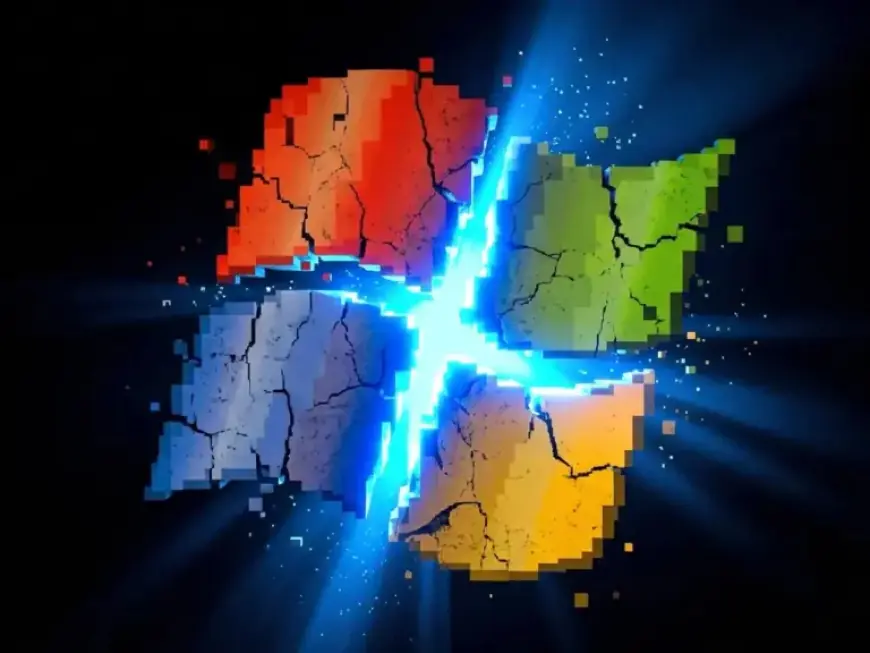
The landscape of personal computing is shifting, and Microsoft appears to be losing its grip on a vital market segment. This change is particularly evident among the “designated tech support” figures in families, who historically recommended Windows laptops without hesitation. Recent events, however, have caused this well-established trust to waver.
Windows’ Dominance in the Market
As of early 2024, Windows operating systems account for approximately 72 to 73 percent of the global desktop market. However, its relevance extends far beyond personal use, infiltrating critical infrastructures worldwide, including:
- Hospital admission systems
- ATM networks
- Military command infrastructure
- Government offices
- Court systems
- School networks
- Banking operations
Despite this dominance, the software’s reliability has come under scrutiny, especially following incidents like the July 2024 CrowdStrike outage. A single flawed update rendered around 8.5 million machines inoperative, disrupted thousands of flights, and affected emergency services across the United States.
Concerns Over Microsoft’s Direction
Microsoft’s decision to focus heavily on integrating artificial intelligence features into Windows, rather than prioritizing user safety and system stability, has raised questions. For instance, the AI tool called Recall faced backlash for its intrusive data collection methods before its rollout was halted.
Shifting User Preferences
As Microsoft officially ended support for Windows 10 in October 2025, many users opted to remain on the outdated operating system. By December 2025, Windows 10 had a market share of 44.68%, while Windows 11 dropped from 55.18% to 50.73%. This trend reflects a calculated choice by users who perceive known risks in Windows 10 as preferable to the unpredictability of Windows 11.
Hardware Requirements and User Experience
The required TPM 2.0 hardware for upgrading to Windows 11 blocked many existing computers, further straining user sentiment. Mandatory Microsoft account sign-ups have added confusion for new users, as they find essential features obscured. Additionally, Windows 11 introduced numerous changes that many consider regressions, including:
- The removal of drag-and-drop functionality on the taskbar
- The absence of the traditional right-click Task Manager option
- Continued dual interfaces between Control Panel and Settings
Trust Erosion Among Users
The decline in user trust is a significant concern for Microsoft. As users face a system that feels increasingly unresponsive to their needs, the company’s past decision to prioritize AI implementations over core functionality has left many feeling vulnerable. This erosion of confidence has transformed a once straightforward recommendation into a careful consideration.
Microsoft’s Future Path
Looking ahead, reports suggest that Microsoft may step back from its AI-driven strategy in favor of rebuilding stability. Industry observers like Paul Thurrott have noted this cautious transition as an indication of change, but whether it signifies genuine user-focused improvements, or merely noise management ahead of a future Windows version, remains to be seen.
Ultimately, the growing distrust among users suggests that restoring confidence will require more than just a few incremental updates. Microsoft will need to realign its vision to prioritize user experience, ensuring that the platform remains the preferred choice for the everyday consumer.