WTI Crude Oil Price Today: $107–$108 Per Barrel — Strait of Hormuz Crisis Sends Oil Surging 20%

Oil markets are in historic crisis mode. WTI crude oil is trading near $107–$108 per barrel and Brent crude is at $108.75 on Monday, March 9 — a staggering surge of approximately 20% in Asian trading as the Strait of Hormuz crisis enters its second week following joint U.S.-Israeli strikes on Iran.
WTI and Brent Crude Oil Prices Right Now
The current price of WTI crude oil is $108.62 per barrel, with today's trading range between $98.00 and $111.24 and volume exceeding 146,000 contracts. The April 2026 WTI contract is up $17.72, a gain of 19.38% in Monday's session. May 2026 WTI futures are at $103.36, June at $95.09, and July at $88.46 — a sharply backwardated curve signaling markets expect prices to ease if the crisis is resolved.
Brent crude oil futures are at $108.75, having traded between $101.38 and $110.70 today. Brent's 52-week range now spans from $58.40 to $110.70 — a near-doubling from its recent lows.
What Is Driving the Oil Price Surge — The Strait of Hormuz Crisis
The Strait of Hormuz has experienced ongoing geopolitical disruption since February 28, 2026, following joint military strikes by the United States and Israel on Iran under Operation Epic Fury, which included the killing of Iran's Supreme Leader Ali Khamenei. In response, Iran's IRGC issued warnings prohibiting vessel passage through the strait, leading to an effective halt in shipping traffic. Tanker traffic dropped approximately 70% and over 150 ships anchored outside the strait to avoid risks, with traffic soon going to near zero.
Iran achieved the effective closure not with a naval blockade, but with cheap drones. Analysts have described this as "about as wrong as things could go" for global oil markets at any single point of failure. Iraq is now having to shut down production in some of its largest oil fields because without being able to export through the Strait of Hormuz, it has nowhere to put that oil.
Qatar LNG Halt — A Second Energy Shock on Top of Oil
Qatar's state-owned energy firm confirmed it stopped production of LNG at its two main facilities after attacks on QatarEnergy operating facilities in Ras Laffan Industrial City and Mesaieed Industrial City. Roughly 20% of global LNG passes through the Strait of Hormuz, nearly all from Qatar.
Goldman Sachs: $100+ Oil Possible With Prolonged Disruption
Goldman Sachs raised its oil price forecast for the second quarter, expecting Brent crude to average $76 per barrel — $10 higher than before. However, the bank warned that if there are five weeks of disruption from the Strait of Hormuz, the price could reach $100 per barrel. Persistently higher oil prices are threatening interest rate policy at major central banks including the Federal Reserve, as high energy prices fuel inflation and limit the scope to cut rates.
U.S. Strategic Response — Navy Escorting Tankers
President Trump said the U.S. Navy will begin escorting tankers through the Strait of Hormuz as soon as possible, and that the U.S. Development Finance Corporation will provide political risk insurance and guarantees for all maritime trade through the Gulf at a very reasonable price.
What This Means for Gas Prices at the Pump
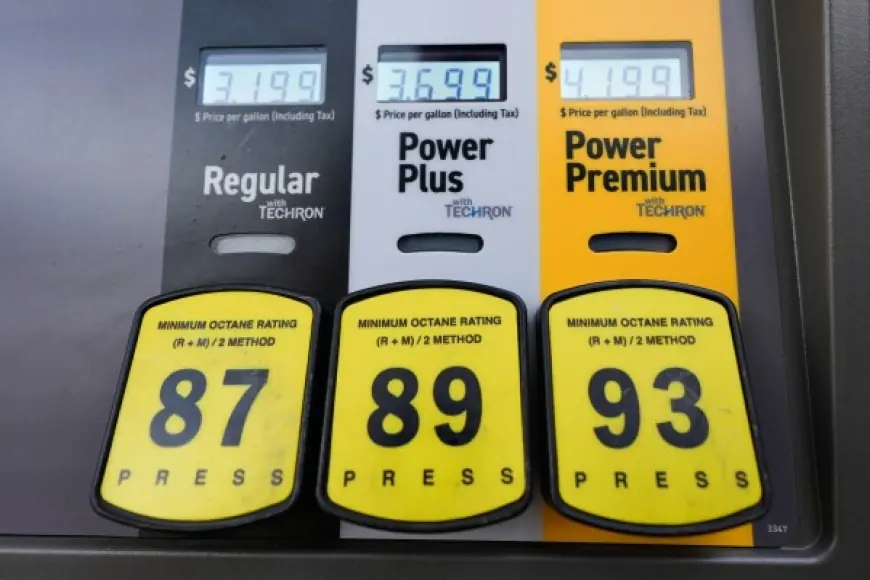
The increase in oil prices is inevitably going to be passed on to consumers. When shippers' costs go up, this is folded into the price at the pump that consumers pay. Americans are already experiencing the largest single-week surge in national average gasoline prices in recent memory.