Video Editing in 2026: Essential RAM Requirements Revealed

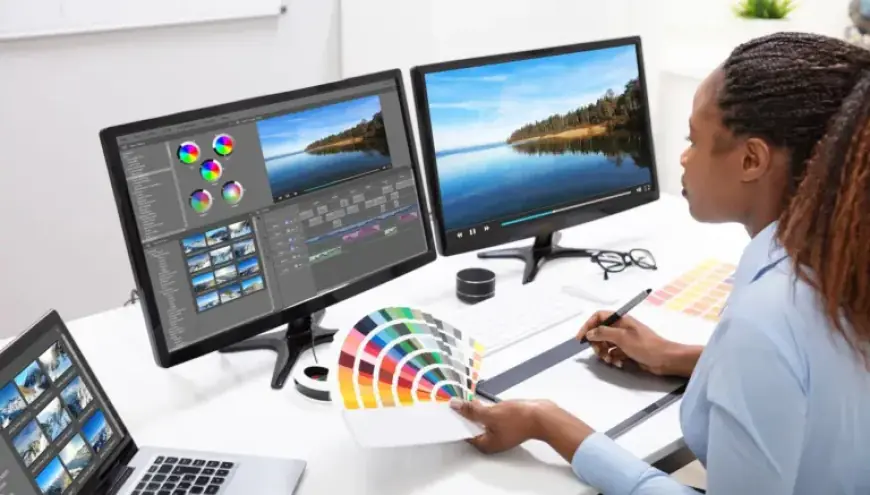
The demand for RAM has skyrocketed as AI data centers consume vast amounts of memory, leading to a significant shortage. This shortage has impacted not just gamers, but also creators like graphic designers, photographers, and video editors. The lack of sufficient RAM complicates the editing process, causing software like Premiere Pro and DaVinci Resolve to lag or crash, ultimately affecting creativity and productivity.
Video Editing in 2026: Essential RAM Requirements Revealed
With the growing trend of video editing, understanding the essential RAM requirements is crucial for professionals. This article breaks down the RAM needs for video editing, especially in 2026 and beyond.
RAM Impact on Video Editing
Video editing software requires adequate RAM to function efficiently. Programs such as Adobe Premiere Pro and DaVinci Resolve have minimum and recommended specifications that can guide users looking to upgrade their systems.
- Adobe Premiere Pro:
- Minimum RAM: 8GB
- Recommended RAM for HD (720p): 16GB
- Recommended RAM for 4K: 32GB
- DaVinci Resolve:
- Minimum RAM: 16GB
- Recommended RAM for extensive use (with Fusion): 32GB
The Importance of Sufficient RAM
More RAM typically translates to better performance when editing video. For most users, 32GB is considered the sweet spot. This amount allows for smooth editing of 4K timelines without significant lag. However, users working with higher resolutions or extensive effects might require even more memory.
Cost Considerations
The ongoing RAM shortage has escalated prices for memory, significantly affecting the budget of freelance editors and videographers. For instance, a 32GB DDR5 RAM kit that previously cost around $100 has surged in price, now reaching nearly five times that amount. In light of this, many creatives are exploring alternatives.
Exploring Alternatives: DDR4 and Proxy Media
Given the cost of DDR5 RAM, some users revert to older DDR4 memory, which is generally more affordable. However, compatibility issues exist with newer motherboards that require DDR5. One possible solution is the use of adapters, although these solutions are not widely available yet.
Additionally, proxy media can minimize the demand for high RAM configurations. By using lower-resolution copies of source footage, editors can maintain responsiveness while working, only reverting to full-quality files during the final export. This method can save both time and money.
Conclusion
The RAM crisis has permeated the creative industry, impacting both casual users and professionals alike. Those planning to edit video should strive for at least 32GB of RAM to optimize their workflow efficiently. While the investment may be daunting, exploring alternatives such as DDR4 memory or using proxy media can alleviate some financial burden. As the market stabilizes towards 2028, the situation will hopefully improve, allowing creatives to focus on their craft rather than equipment limitations.