Oil Prices Surge Past $100 Amid Iran Conflict

Crude oil prices have surged past $100 a barrel, driven by escalating conflict in Iran and its implications for global energy supplies. As tensions mount between the United States, Israel, and Iran, Brent crude, the global benchmark, experienced a notable increase of about 20 percent, peaking at $111 a barrel.
Market Reactions and Economic Impact
This significant price surge marks the highest level for oil since Russia’s invasion of Ukraine in 2022. The recent spikes follow joint military actions by the US and Israel against Iran, initiated on February 28, which have led to a 50 percent increase in oil prices since that date. In retaliation, Iran has effectively halted shipping in the vital Strait of Hormuz, threatening nearly 20 percent of global oil supply.
Production Cuts and Regional Threats
- Iraq, the United Arab Emirates, and Kuwait have reduced oil production.
- Iran has been linked to attacks on energy facilities in the Gulf region.
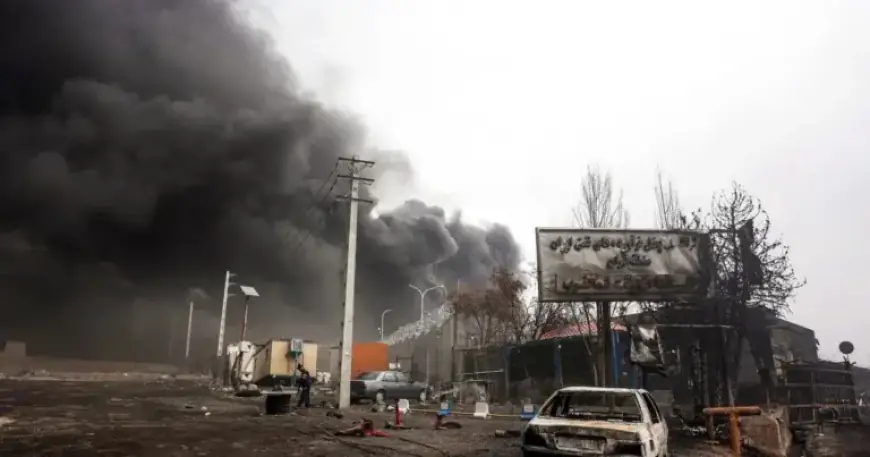
- Recent Israeli airstrikes targeted Iran’s oil infrastructure, marking a significant escalation.
On Saturday, Israel conducted air strikes against four oil storage facilities in Tehran and Alborz province. In response, Iran’s Revolutionary Guards warned of potential retaliation, suggesting oil prices could reach $200 a barrel if hostilities continue.
Investor Sentiment
Market sentiment has turned negative, with substantial drops in Asian stock markets. Japan’s Nikkei 225 fell over 7 percent, while South Korea’s KOSPI dropped by more than 8 percent. In the US, futures tied to the S&P 500 decreased by 1.7 percent, and the Nasdaq Composite saw a decline of 1.90 percent.
Government Statements
US officials, including President Donald Trump, have attempted to downplay the situation. Trump stated that any spike in oil prices would be temporary and insignificant compared to global safety concerns. Energy Secretary Chris Wright echoed similar sentiments, minimizing the likelihood of lasting price increases.
Future Projections
The ongoing conflict has raised alarms regarding inflation and economic growth. The International Monetary Fund (IMF) estimates that a sustained 10 percent increase in oil prices could lead to a 0.4 percent rise in inflation and a 0.15 percent decline in global economic growth. Additionally, Qatar’s energy minister has projected that oil prices might soar to $150 a barrel amidst the current instability.
The future of oil prices amid the Iran conflict remains uncertain, with market watchers closely monitoring developments. The unfolding situation is poised to influence not only energy markets but also the broader global economic landscape.