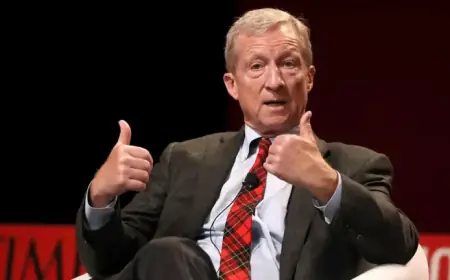
Iran Vows Retaliation Against Trump for Soleimani’s Assassination, Larijani Declares

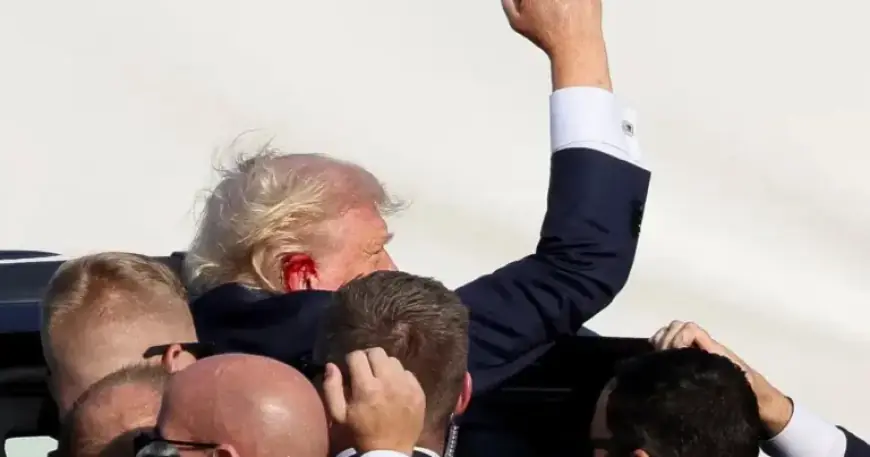
In a significant turn of events, Iran has vowed retaliation against the United States for the assassination of General Qassem Soleimani, with key officials stating that military responses will be directed towards U.S. forces and allies in the region. This statement follows recent provocations and military engagements involving Iranian forces.
Iran’s Leadership Crisis and Military Moves
The evolving dynamics within Iran’s governance have led to a strained power structure. President Pezeshkian is facing criticism from hardliners after he instructed Iranian Revolutionary Guards Corps (IRGC) to halt attacks on neighboring countries. Despite being part of the temporary leadership council, his authority appears limited.
- IRGC launched attacks on the United Arab Emirates (UAE), Bahrain, Kuwait, and Iraqi Kurdistan.
- Pezeshkian described IRGC actions as partly occurring “at their own discretion.”
The IRGC has explicitly stated that any location involved in aggression against Iran will be targeted. Key military targets include:
- U.S. military bases
- Israeli interests in the region
International Reactions and Regional Tensions
International tensions escalated after Saudi Arabia warned Iran that continued hostilities could provoke a serious response. Earlier this week, a reported drone attack in Azerbaijan, linked to Iranian forces, added to the regional volatility.
Following this incident, Azerbaijan took significant diplomatic steps, including recalling its diplomats from Iran and closing its borders. Tehran denied involvement in the drone attack and missile firing accusations toward Turkey.
Criticism Against Pezeshkian
While some political figures defended Pezeshkian’s attempts to diffuse tensions, hardliners reacted with vehement criticism. They argued that his apology weakened Iran’s position in the ongoing conflicts. Former lawmaker Jalal Rashidi Kouchi stated that apologies indicate mistakes, which he insisted did not occur.
Additionally, conservative media labeled Pezeshkian’s stance as detrimental to the nation’s readiness for confrontation with perceived enemies.
Potential Legislative Action
In response to internal dissent, several lawmakers are pushing for the Assembly of Experts to expedite the selection of a new supreme leader. They argue that the current leadership’s actions risk compromising Iran’s sovereignty and strength in military matters.
- Iran remains defiant against external threats, particularly from the U.S.
- Internal political strife highlights the complexities of authority in Iran.
- The international response to Iran’s military actions could significantly impact regional stability.
As tensions mount, the outcome of these dynamics will have profound implications for Iran’s future relations with both its neighbors and global powers.