Elon Musk Seeks Mistrial in Twitter Fraud Case Due to Bias Concerns

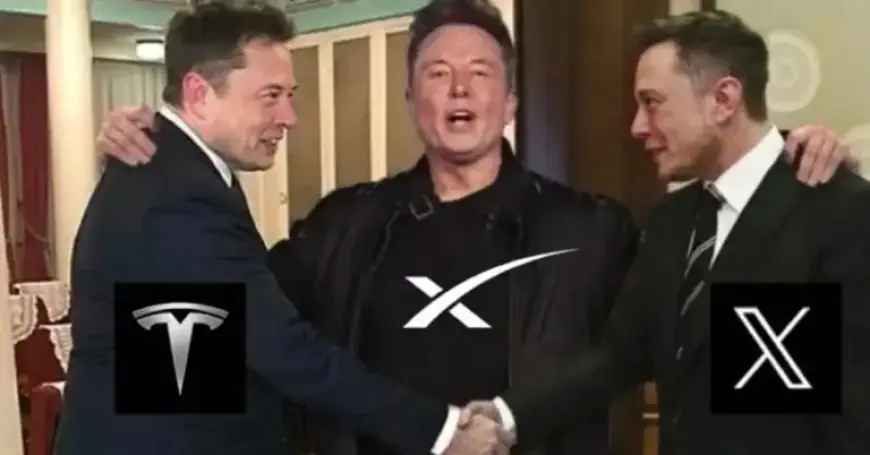
Elon Musk’s legal team has filed a motion for a mistrial in the ongoing Twitter fraud case, citing concerns over bias. The motion was submitted on March 7 and claims that the environment surrounding the trial is unfair due to community animosity toward Musk. This mistrial motion follows Musk’s testimony in the case known as Pampena v. Musk.
Background of Pampena v. Musk
The class action lawsuit is centered around allegations from Twitter shareholders who sold their stock between May 13 and October 4, 2022. The plaintiffs accuse Musk of making misleading statements that facilitated a decline in Twitter’s stock price just before he completed a $44 billion acquisition in 2022. Musk has argued that he believed the company’s estimate of bots was inaccurate and he aimed to renegotiate the deal because of it.
Details of the Mistrial Motion
This motion for mistrial seeks to restart the trial with a new jury, rather than dismiss the case altogether. Musk’s legal representation, Quinn Emanuel, led by Alex Spiro, outlines several grounds for this request:
- Violation of Pretrial Rulings: Plaintiffs’ counsel allegedly breached a ruling by Judge Charles Breyer that prohibited assertions claiming Musk violated securities laws.
- Court Interference: Musk’s defense claims the court restricted his ability to contest assertions regarding European privacy laws while allowing plaintiffs to make their case unchallenged.
- Improper Conduct in Court: The judge reportedly interrupted defense counsel during witness examinations, showing bias in favor of the plaintiffs.
- Privilege Obstruction: The defense contends that plaintiffs crafted questions designed to provoke privilege objections, implying Musk was concealing information.
- Irrelevant Material: The motion asserts that plaintiffs introduced prejudicial topics unrelated to the case, such as Musk’s wealth, causing potential bias against him.
Concerns Over Jury Bias
A significant aspect of the mistrial request addresses the jury pool’s perceived bias. Approximately 40 potential jurors were dismissed during selection due to their inability to remain impartial. This situation highlights the challenges of finding an unbiased jury in a case involving Musk, whose public persona has become increasingly polarizing.
Implications of the Case
The outcome of this trial could have far-reaching consequences. A ruling against Musk may result in substantial damages for shareholders who sold Twitter stocks during the tumultuous period in 2022. Additionally, it may set a critical precedent regarding how CEO communications via social media interact with securities fraud laws.
Ongoing Developments
The trial is set to continue until March 19, 2023, and the judge has yet to decide on the motion for mistrial. Meanwhile, Musk is also facing legal challenges from the SEC related to his delayed disclosures regarding Twitter stock purchases, which could lead to further financial penalties.
The situation remains fluid as the trial progresses, with both sides preparing for potential appeals depending on the outcome of the trial.