Phosphate Hill Sale Secures $100M, Sustaining Copper Smelter Operations

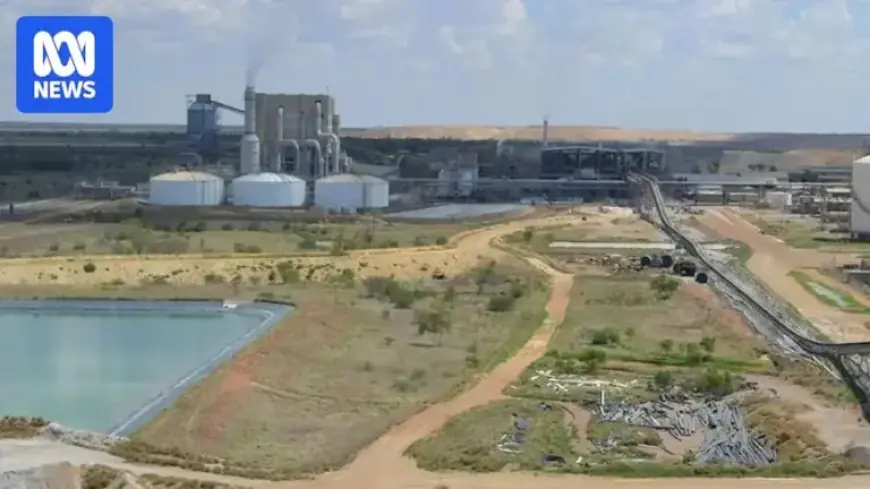
In a significant development for Queensland’s resource sector, the Phosphate Hill fertiliser plant has been sold for a potential total of $100 million. This transaction aims to sustain the area’s vital copper industry. The sale took place today, with Mayfair Corporations Group acquiring the facility from global explosives company Dyno Nobel.
Details of the Sale
The initial purchase price is set at $1, with a total of $100 million dependent on Dyno Nobel meeting specific contractual obligations and performance targets under Mayfair’s management. This investment is seen as crucial for the operation and development of resources in Queensland.
Impact on Copper Smelter Operations
- The Phosphate Hill operation is located 140 kilometres south-east of Mount Isa.
- It employs approximately 540 workers.
- The facility’s sulphur production is essential for the nearby Mount Isa copper smelter, operated by Glencore.
Dyno Nobel previously announced the plant would cease operations by September 2026 without a buyer, heightening concerns over the copper smelter’s future. The smelter’s sustainability could be at risk, even after a $600 million taxpayer-funded rescue package was issued last October.
Community and Economic Reactions
Mauro Neves, Dyno Nobel’s CEO, expressed satisfaction with the sale, highlighting the importance of maintaining local fertiliser supply for Australian farmers. Robbie Katter, State Member for Traeger, characterized the sale as a positive outcome for north-west Queensland and expressed confidence in Mayfair’s commitment to the region.
Federal Minister for Industry Tim Ayres emphasized the interconnected nature of the industrial landscape in the area. He noted that Phosphate Hill is Australia’s sole domestic producer of Monoammonium Phosphate (MAP) and Diammonium Phosphate (DAP) fertilisers, vital for agriculture, producing approximately 1 million tonnes annually.
Future Considerations
As the region navigates these changes, collaboration between the government, industry, and local communities will be essential to enhance industrial capabilities and reduce reliance on imports. This strategic approach aims to strengthen the sustainability of both the fertiliser and copper smelting operations in Queensland.