Registraduria Nacional De Colombia Faces Cyberattack Claims as Corruption Complaints Rise

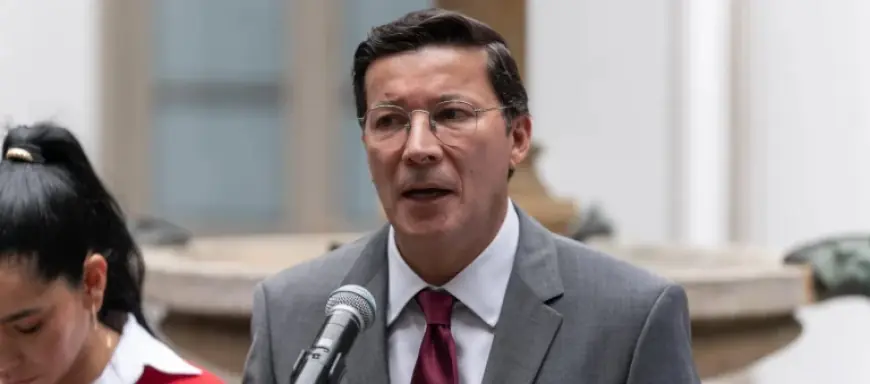
Monday at 9: 15 p. m. ET. Hernán Penagos said the voting day proceeded “tranquila” while reporting repeated attempts to impersonate the registraduria nacional de colombia website and a wave of electoral-denial activity tied to numerous complaints and seizures. Why now: the claims and law-enforcement actions unfolded during the March 8 congressional voting and were summarized in a late-day institutional balance.
Hernán Penagos Details Cyberattacks Targeting Registraduria Nacional De Colombia
Hernán Penagos, the national registrar, reported “attempts of impersonation” against the Registraduría’s online presence and described an “alarming” volume of digital interference aimed at the electoral authority. He specified 30 instances of IP impersonation and about 60 internet profiles attempting to distort the Registraduría’s communications, and urged citizens to consult official channels of the registraduria nacional de colombia for accurate information.
Defense Ministry and Prosecutors Cite Large-Scale Money Seizures During March 8 Voting
On March 8, authorities executing the Plan Democracia registered 38 incidents of cash seizures that led to 41 detentions, with additional operations yielding 24 arrest warrants for electoral crimes and 71 arrests tied to money laundering and other offenses. Security forces recovered more than 3, 600 million pesos allegedly intended for vote buying, including one Bogotá operation in which a person was detained with 631 million pesos in cash. Law-enforcement officials noted incidents across Amazonas, Antioquia, Guainía, Guaviare, Norte de Santander and Atlántico while criminal investigations continue.
PARES, Analysts and Political Scholars React to Day’s Incidents and Reporting
The Fundación Paz y Reconciliación (PARES) issued a second, near–end-of-day report presenting a balance of principal events two hours before polls closed, underscoring both the operational seizures and the digital incidents. Political analyst Jaime Wilches framed the complaints as reflecting deep public distrust in institutions, and he linked heightened irregularities to regions with weaker institutional presence. Juan Nicolás Garzón emphasized that many denunciations amplify social noise and that the electoral process has been shown to be reliable in prior reviews.
Penagos highlighted coordination with the military, the police and the prosecutor’s office in responding to reported incidents, and he confirmed that investigations remain open for the various complaints and seizures registered during the voting day.
More details are expected at 11: 00 p. m. ET when official pre-count updates are scheduled to be released; if preliminary tallies continue to be published on schedule, final administrative reports and any formal indictments could be announced in the coming days.