Crude Oil Price Pressures Shift to Tanker Insurance as Trump Weighs Backstop

Shippers moving energy cargoes through the Strait of Hormuz could face a new, policy-driven lever on the crude oil price: whether tankers can secure affordable war-risk coverage at all. As of 11: 00 a. m. ET, President Donald Trump was publicly floating a government-backed insurance backstop aimed at lowering premiums and keeping vessels sailing amid the Iran-related conflict.
Crude Oil Price Sensitivity Rises as War-Risk Coverage Tightens in Hormuz
The most immediate change is not a shift in oil production, but a shift in the cost and availability of insurance that determines which ships move and which hesitate. War-risk coverage can influence routing decisions, sailing speeds, and whether voyages proceed, because coverage is treated as a baseline requirement for tankers transiting the Strait of Hormuz.
When perceived danger rises in the region, insurers charge more to cover ships and cargo. Shippers then add war-risk surcharges, and some vessels slow down, detour, or pause altogether. Those delays can tighten supply and push the crude oil price higher even if oil production has not changed, because the market is reacting to a threatened bottleneck rather than barrels coming out of the ground.
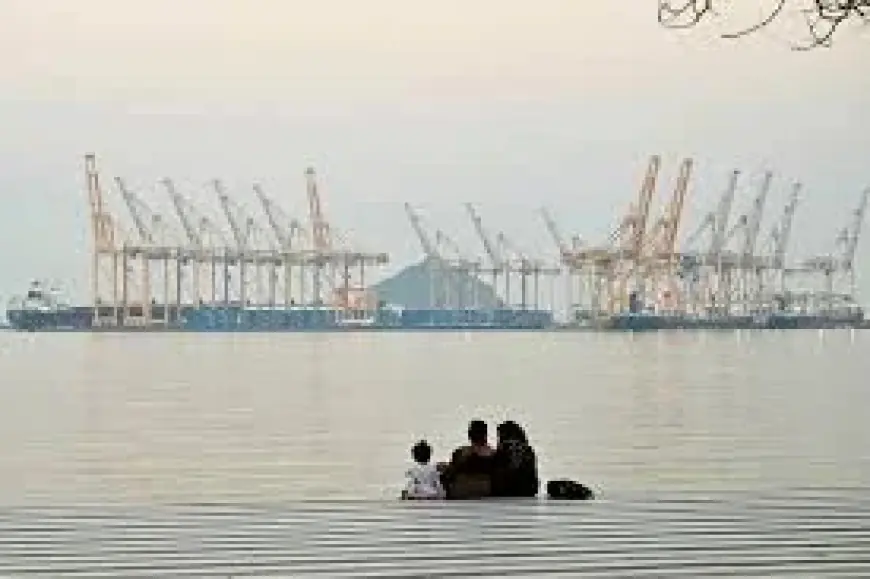
The Strait of Hormuz sits at the center of that bottleneck. The passage between Iran and Oman carries roughly 20 million barrels of oil a day and about one-fifth of global supply of liquefied natural gas, concentrating a large share of global energy flows into a single corridor that can be rattled by the threat of disruption.
Trump’s Insurance Backstop Would Shift Risk From Private Insurers to Government
Trump said the U. S. could use a government-backed insurance program to lower war-risk premiums for vessels operating in the region. Under the approach he described, the government would absorb part of any major losses, reducing pressure on private insurers and shipowners who face escalating costs when hostilities intensify.
The practical consequence of such a backstop, if implemented, would be to change who carries the financial exposure from a potential loss in the Gulf. Rather than leaving insurers and shipowners to absorb the full brunt of higher-risk voyages, the program would spread some of that risk to the government, which could lower premiums and make it easier for tankers to keep moving.
For the oil market, the potential payoff is straightforward: more predictable shipping capacity through the Strait of Hormuz, fewer delays tied to insurance constraints, and less upward pressure on pricing created by logistics friction. Still, the concept does not remove physical risk in the waterway; it addresses the insurance and financing side that can quickly slow traffic even before any interruption occurs.
Gard, Skuld and Other Insurers Cancel Coverage as Talks Continue With U. S. Officials
The policy discussion is unfolding as shipping and insurance firms reassess Gulf transits following a new round of regional attacks. The disruption described in the coverage was sparked by U. S. -Israeli strikes on Feb. 27 and retaliatory Iranian drone and missile attacks across the region, prompting shippers and insurers to reconsider the safety of transiting the waterway.
Several major marine insurers have already moved to tighten terms. Gard, Skuld, NorthStandard, the London P& I Club, and the American Club have canceled war-risk coverage, leaving voyages through Iranian and nearby waters without that protection. At the same time, not all coverage is disappearing: Lloyd’s of London said coverage remains in place for its vessels operating in the Gulf region and that those vessels have a combined hull value exceeding $25 billion.
Industry engagement with the U. S. government is already underway. A Lloyd’s spokesperson said the market is in talks with U. S. officials about possible options, and global insurance broker Marsh said it met with Trump administration representatives to discuss the idea. Analyst Matt Smith of Kpler described insurance coverage as essential for tankers transiting the Strait of Hormuz, while cautioning that it does not eliminate the risk of operating in a conflict zone.
What could change next depends on whether the White House turns the concept into an operational program that shipowners and insurers can use quickly. If a government backstop is put in place and meaningfully lowers war-risk premiums, tanker traffic could be steadier, reducing one channel through which the crude oil price can climb during periods of heightened threat in the Gulf.