Passport rules tighten as Schengen biometric Entry/Exit System expands enforcement

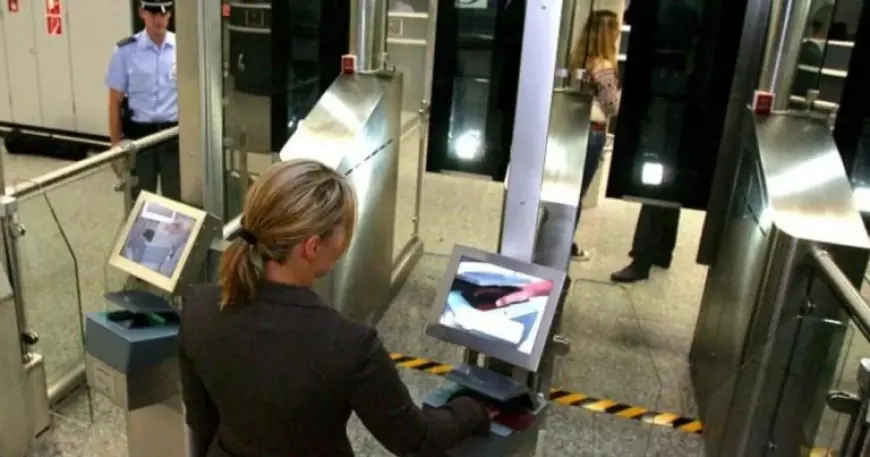
The Schengen Entry/Exit System (EES) is reshaping how short stays are monitored for British travelers, replacing reliance on passport stamps with biometric tracking that can automatically flag overstays. As of Saturday at 9: 00 a. m. ET, the shift is drawing fresh attention after a toolmaker behind Schengen Simple said the system has already caught 4, 000 overstayers in its first few months.
Schengen Entry/Exit System (EES) and the passport stamp phase-out
EES is due to go fully live on April 10, but a number of European countries are considering delaying the rollout and even lifting it during peak summer months to avoid airport chaos at border controls for British travelers and other third-party visitors to the Schengen Area.
In comments to the Majorca Daily Bulletin, George Cremer, a software developer and digital nomad who founded Schengen Simple in 2022, said enforcement changed once EES went live in October 2025. He said that previously border officials had to manually check passport stamps to calculate stays, a process he described as time-consuming and one that allowed “a lot of overstays” to slip through. Under the updated approach, he said, every entry and exit is tracked biometrically and flagged automatically.
Cremer also described an increase in traveler attention tied to EES announcements, saying his service sees “download spikes” around updates on EES or border enforcement and that awareness has been growing since Brexit.
Schengen Simple warns Britons about the 90/180-day “rolling window” trap
The combination of EES and the 90-day rule is already proving confusing and catching many Britons out, Cremer said. A central point of confusion is what he called the “rolling window” nature of the 90/180-day rule: instead of resetting after a traveler leaves, the system looks back 180 days from each day and counts how many of those days were spent in the Schengen Area.
Cremer said many travelers mistakenly treat the allowance like a simple stamp-based reset. He offered an example of how earlier travel can reduce later flexibility: a week in Portugal in January can cut into a traveler’s available days later in the year.
He outlined three common mistakes he sees travelers make:
- Believing that leaving the Schengen Area for two weeks resets the day count.
- Assuming each Schengen country tracks stays separately rather than sharing a single pooled allowance across 29 Schengen countries.
- Thinking the rule works as a fixed “90 days per half year” split, rather than a rolling 180-day lookback counted from each day.
UK tourists face biometric checks, pre-travel authorisations, and stricter passport prep
Separately, Travel And Tour World described a wider set of changes coming in 2026 for UK tourists traveling across Europe, including pre-travel authorisations for visitors from the UK and other visa-exempt countries entering Schengen nations. The authorisation is an online process that collects personal and travel information in advance, and it is described as mandatory. The outlet said most tourists will receive authorisation within days, though processing may take longer during peak travel periods.
The same report said European countries are implementing biometric checks at airports, seaports, and land borders, which may involve fingerprints and facial recognition when entering or leaving the Schengen Area. It cautioned travelers to expect longer processing times during busy holiday periods and said carrying documents—including a passport, travel itinerary, and proof of accommodation—has become more important.
Travel And Tour World also said UK tourists remain eligible for visa-free travel for short stays of up to 90 days within a 180-day period in most European countries, while longer stays or travel for work or study requires appropriate visas. It added that travel insurance is strongly advised and that some countries may request proof of insurance during border checks.
The next confirmed milestone is April 10, when EES is due to go fully live; any decision by European countries to delay or lift the system during peak summer months has not been confirmed in the provided information as of Saturday at 9: 00 a. m. ET.