BTS Return Moves From Promise To Schedule As March Comeback Event Nears

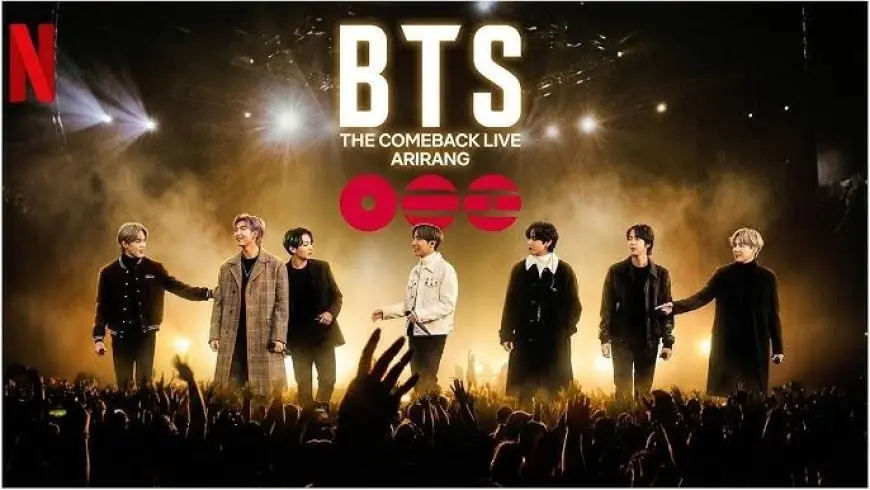
BTS is back in the news because the group’s reunion has shifted from broad 2026 plans to a dated, marketable launch window. The clearest near-term marker is a live comeback event titled BTS THE COMEBACK LIVE | ARIRANG, set for March 21, with all seven members appearing together again in a globally streamed performance from Seoul. That matters because it turns a long-anticipated reunion into something more concrete: not just a future album cycle, but an actual public restart with a fixed date, a title, and a distribution plan already in place.
The broader comeback frame has been building for months. By mid-2025, plans pointed to a full seven-member return in March 2026, alongside a new album in spring 2026 and a world tour to follow. On its own, that sounded like a roadmap. What changed now is that the roadmap has its first real checkpoint. Once a comeback has a live event, a promotional trailer, and a visible title, the industry starts treating it less like speculation and more like rollout.
BTS Comeback Window Opens
The title ARIRANG is doing a lot of work already. It signals that the comeback is likely being framed as both a reunion and a cultural statement, not merely a resumption of business after hiatus. That distinction matters for a group at BTS’s scale. A standard return would be commercially huge anyway. A return packaged as an event with symbolic weight changes the stakes. It gives fans a narrative, gives platforms a headline, and gives the group a way to present reunion not as nostalgia, but as a new chapter with national and global resonance at once. That is exactly the kind of positioning expected when a top-tier act tries to convert pent-up absence into a fresh peak rather than a sentimental reset.
There is also timing logic behind the March launch. Spring 2026 has already been identified as the target for a new album and a world tour, so a March 21 live event works as an ignition point rather than an isolated special. It can introduce songs, re-establish group chemistry in public, and feed directly into the next commercial phase. In other words, the event is not just content. It is infrastructure. It creates the first synchronized global audience moment for a group that has spent years in a fragmented, staggered cycle because of military service and solo activity.
ARIRANG And The Stakes
What makes this moment especially important is that BTS is returning to a different pop market than the one it paused. The group still carries enormous brand power, but the surrounding field has changed: K-pop has grown more crowded internationally, streaming competition is fiercer, and fan expectations are now split between loyalty to the group and attachment to each member’s solo identity. A reunion at this scale is not only about whether the music lands. It is about whether BTS can reassert itself as a unified cultural center after years in which the members proved they could each command attention separately.
That is why the seven-member framing matters so much. The campaign emphasizes all seven members together again, which suggests the comeback understands the core demand in the market: fans do not just want new BTS content, they want restored group completeness. In that sense, the reunion itself is part of the product. The music will decide longevity, but the first commercial win is simpler—showing that the group can stand together again in a way that feels immediate rather than ceremonial.
What The Tour Signal Means
The likely next pressure point is the world tour. Once a comeback event is dated, the next major question becomes whether tour details follow quickly or whether management staggers announcements to maximize attention. Both approaches have logic. An immediate tour reveal would lock in momentum and convert fan anticipation into sales. A slower rollout would extend the news cycle and let the March event dominate before ticketing headlines take over. Either way, the existence of prior spring 2026 tour plans means this is no longer a debate over whether BTS will tour, but over when the formal release of dates arrives.
Three forward scenarios now matter most. One is a straightforward launch: the March 21 event leads into album specifics and then tour dates. Another is a staggered strategy in which the event functions as a reunion statement first, with music details following later. A third, more ambitious path would use the event to unveil both creative direction and a major touring footprint at once, turning a comeback into a single global reset. The trigger for all three is the same: how much of the spring campaign is ready to be exposed in March.
For now, the central fact is no longer vague. BTS is not merely planning a return. The comeback now has a dated live event, a title with symbolic weight, and a larger spring framework already in view. After a hiatus defined by waiting, the group has finally moved into the phase that matters most in pop: execution.