Iran Women’s Football Team Bravely Sings Anthem Amidst War Concerns

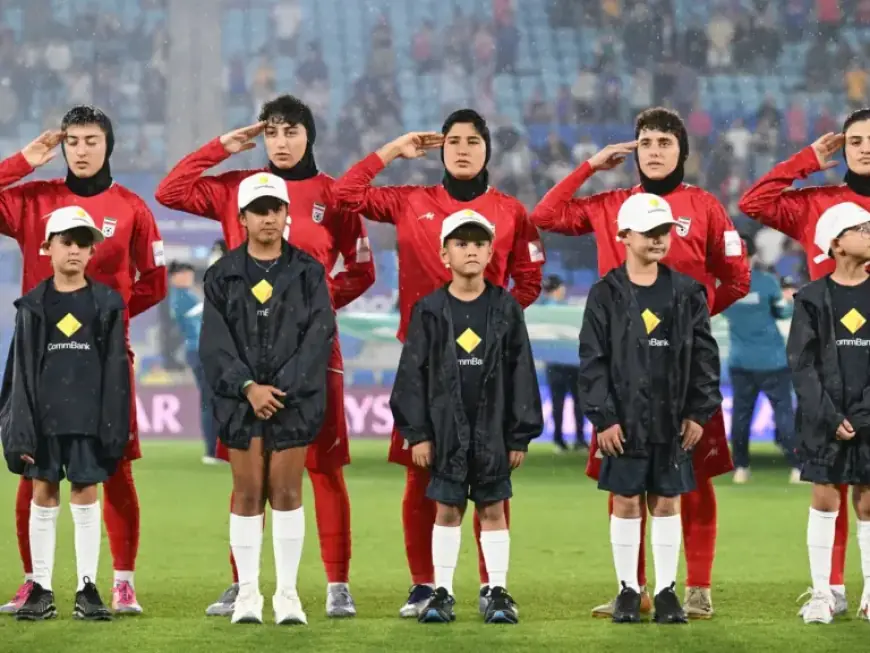
The Iranian women’s football team recently gained international attention during the Women’s Asian Cup held in Australia. The players faced severe criticism and accusations of disloyalty after they opted to remain silent during the national anthem before their opening match against South Korea. This choice came amid significant strife in Iran, where ongoing military actions and political tensions created a precarious environment for those perceived as dissenters.
Anthem Controversy and Team’s Response
Six days later, in their final match against Australia, the team sang the anthem “Mehr-e Khavaran” (Eastern Sun) in a display of solidarity. This shift sparked concerns among human rights advocates regarding the potential coercion of the players by government authorities. The previous decision to stay silent had provoked widespread condemnation back in Iran, including harsh remarks from state media.
- The team started its tournament campaign against South Korea, where they lost 3-0.
- They faced Australia next, losing 4-0.
- Overall, the team finished bottom of Group A, scoring no goals and conceding nine.
Human Rights Activism and Safety Concerns
The players’ situation has become a rallying point for human rights activists. A petition on Change.org has collected over 51,000 signatures, urging the Australian government to grant refuge to the team due to credible safety fears. Activists, including Iranian Australian leader Tina Kordrostami, emphasized the need for a safe environment for the players to express their concerns.
Australian Foreign Minister Penny Wong recognized the emotional impact of the team’s presence, noting the solidarity displayed with Australian players during matches. She acknowledged the oppressive actions of the Iranian regime against women and the importance of protecting dissenting voices.
International Response and Ongoing Conflict
The situation escalated as military operations led by the United States and Israel against Iran resulted in substantial casualties, raising fears regarding the team’s potential return home. The players’ union, FIFPRO, appealed for the Asian Football Confederation and FIFA to ensure the team’s safety amid the backdrop of international conflict.
As the tournament concluded for Iran, their experiences have shed light on the urgent need for discourse around human rights and protection for athletes facing persecution. The actions of the Iranian women’s football team resonate beyond sports, exemplifying the intersection of athletics and sociopolitical issues.