Arshdeep Singh and India’s early overs plan targets Finn Allen in final

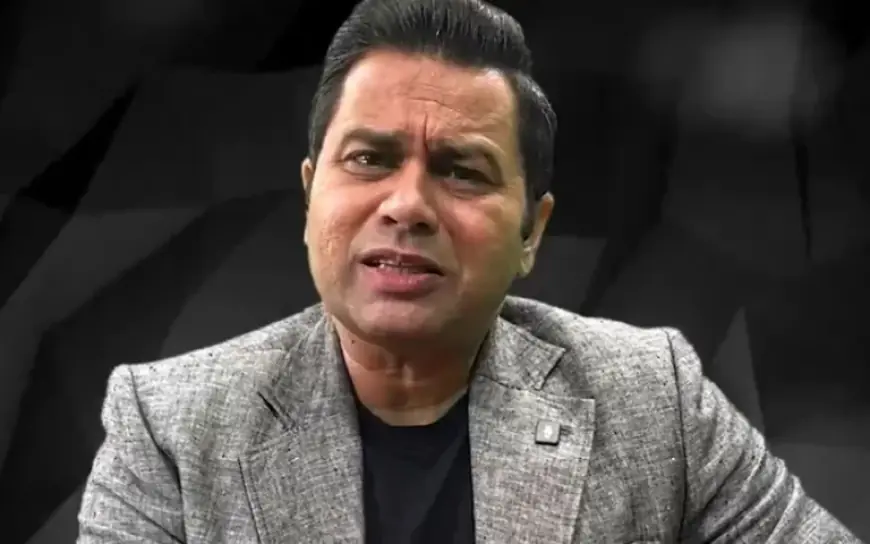
India’s quicks could be asked to hunt for an inside edge in the first few overs, a tactic that puts arshdeep singh in focus before a ball is bowled in the T20 World Cup final. As of 2: 52 a. m. ET on Sunday, former batter Aakash Chopra has framed Finn Allen as New Zealand’s biggest threat and urged India to lean on spin matchups and tight early lines at the Narendra Modi Stadium in Ahmedabad.
Aakash Chopra’s inside-edge idea brings Arshdeep Singh into the opening spell
Chopra’s most immediate impact point for India is what happens right at the start: whether the ball can take an inside edge off Allen and crash into the stumps. He specifically flagged arshdeep singh and Hardik Pandya as options India’s captain Suryakumar Yadav can rely on during the opening overs, with the goal of forcing a mistake rather than allowing Allen to settle.
That emphasis reflects the size of the task Allen presents. Chopra described Allen as the “danger man” going into the final, after Allen single-handedly steered New Zealand into the title match with an unbeaten hundred off 33 balls against South Africa in the semi-final at Eden Gardens.
Chopra’s framing also implies a narrow window for India: if Allen gets through the new-ball period cleanly, his wide range of scoring options can make containment difficult. India’s plan, in Chopra’s telling, is to make those first overs a high-risk phase for the opener rather than a launchpad.
Finn Allen’s off-spin issue and Axar Patel’s role in Ahmedabad
Chopra’s second lever is spin, particularly anything that can trouble Allen when he goes deep inside the crease. Chopra said Allen has been “troubled a little by off-spin, ” explaining that when Allen sees spin he tends to retreat in the crease and try to play with his wrists, a method Chopra suggested can break down when the bowling has “class. ”
India, Chopra noted, do not have an off-spinner in this setup, but he suggested Axar Patel as a way to create a similar problem by bringing the ball in with the arm. The incoming angle, Chopra argued, can expose pads and stumps when Allen is stationed deep, creating the possibility of a dismissal even if Allen is trying to hit through the line.
Chopra also pointed to a previous moment between Axar and Allen: Axar got the better of Allen in the fifth and final T20I before the start of the T20 World Cup. Still, even in that match, Allen scored 80 off 38 balls, underscoring the balance India is trying to strike between finding a matchup and limiting damage when Allen connects.
New Zealand’s opening pair and the tighter-line plan for India’s bowlers
Chopra has not limited his warning to Allen alone. He has also praised New Zealand openers Finn Allen and Tim Seifert, calling them the most explosive and consistent opening duo in the tournament and pointing to their aggressive batting as a challenge India’s bowlers must solve in Sunday’s final at the Narendra Modi Stadium.
In that preview, Chopra’s practical instruction was to shrink Allen’s scoring options by denying him width outside off stump and keeping deliveries within the stumps. He also said Varun Chakaravarthy should bowl slightly slower and maintain tighter lines to build pressure.
New Zealand’s run to the final included a rebound from group-stage defeats, with Chopra attributing the surge in large part to Allen’s record-breaking century. India, meanwhile, enters the final with recent T20I success against New Zealand and aims to carry that momentum into the championship match, even as Chopra noted that history has favored the Kiwis in past T20 World Cups.
The next definitive swing point comes when India and New Zealand meet in the T20 World Cup final at the Narendra Modi Stadium on Sunday; if India’s bowlers execute Chopra’s tight-line and spin-matchup ideas early, Finn Allen’s scoring options are expected to narrow before the powerplay ends.