India and New Zealand Final Reshapes T20 World Cup Stats and Records

Fans, players and statisticians face immediate changes to historical leaderboards after India’s record-setting performance in the final reshuffled the T20 World Cup Stats Sunday at 10: 00 a. m. ET when India met New Zealand in the tournament decider. The result affects who holds top marks in final matches and which past totals now rank lower.
How India’s final showing altered T20 World Cup Stats for fans and record-keepers
India’s performance in the 2026 final has been logged as a new benchmark in final-match scoring, meaning official lists tracking “most runs scored in a final by one team” now include India at the top. India enters this match as the reigning World Cup champions, and their final tally has already displaced previous entries on compiled rankings of finals totals. Supporters and statisticians will see published record lists updated after the match report is finalized.
Match build-up and decisive moments at Narendra Modi Stadium that triggered the change
The final at Narendra Modi Stadium in Ahmedabad followed contrasting semi-final routes: India reached the decider after a batting masterclass that beat England by seven runs in the semi-final, while New Zealand advanced by beating South Africa by nine wickets, propelled by Finn Allen’s sensational century. Those semi-final results set the stage for Sunday’s final, and it was India’s scoring in that match that created the record shift now reflected in T20 World Cup Stats.
How this final compares with celebrated finals featuring Gautam Gambhir, Shahid Afridi and Joe Root
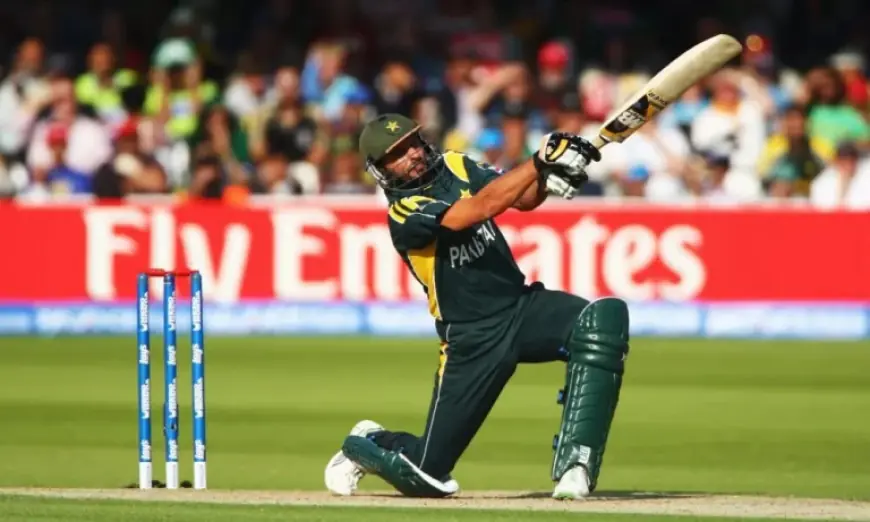
The new top finish in final scoring now stands alongside several historically dramatic finals. Past memorable matches include a contest in which Gautam Gambhir scored 75 off 54 while his team posted 157, a chase that ended with Misbah-ul-Haq attempting a scoop that led to a pivotal dismissal and a five-run result; another final where Shahid Afridi struck 54 en route to a successful chase completed in the 19th over; and the 2016 final at Eden Gardens where Joe Root made 54 as his side posted 155/9. Those performances remain significant, but the recent final has altered where they sit in combined and single-team final totals lists.
Still, historical comparisons show prior highs: combined final scores of 345 appeared in two earlier finals, and records had held that no team previously scored more than 176 in a single final. India’s 2026 showing has now entered record compilations and will be listed among the top single-team and combined final performances when official statistics are published.
That said, the immediate practical effects are concrete: team record pages, highlight reels and end-of-tournament summaries will reflect India’s new placement, and New Zealand’s appearance remains notable given their past high placement on finals scoring lists despite limited final appearances.
For fans tracking margins of victory and wicket-based records, the updated final totals will also reframe where past wins—such as a 36-run victory noted from earlier tournaments—and top wicket-margin results sit in comparative tables of finals outcomes.
If the match result stands, India’s new final-match record will remain part of the official tournament history.