Gulf Giants’ Output Cuts Escalate Oil Market Turmoil

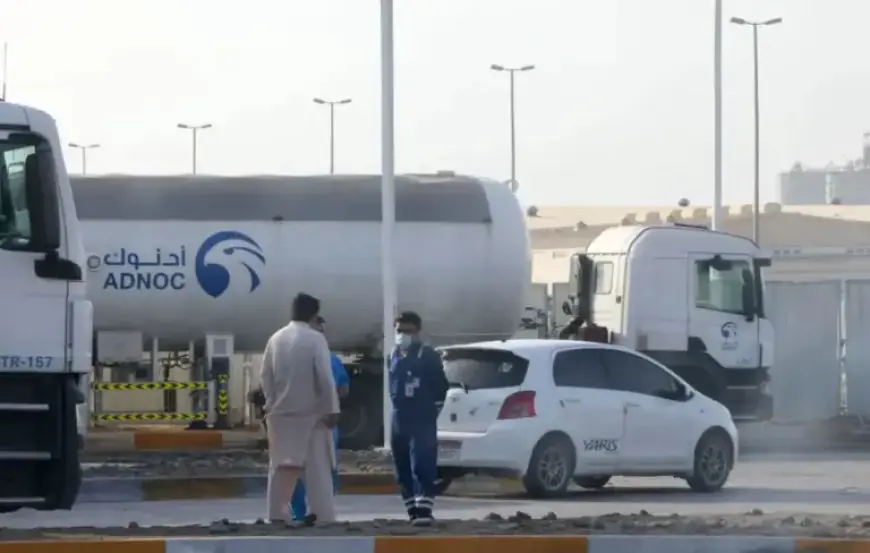
The oil market is experiencing significant turmoil, intensifying with recent production cuts amid escalating geopolitical tensions. The ongoing conflict in Iran has led to the effective closure of the Strait of Hormuz, a critical shipping route for oil. As a result, oil-producing nations are feeling the pressure to reduce output to manage their storage capacities.
Current Production Cuts in the Gulf Region
The United Arab Emirates and Kuwait have already initiated cuts in their oil production. This decision follows Iraq’s substantial reduction, which has seen its output decrease by 60%. With tankers increasingly avoiding the Strait of Hormuz, there is a growing concern that more countries will need to follow suit.
Impact of Reduced Shipping Capacity
The narrowing availability of oil tankers presents a significant challenge. As the number of vessels available for loading diminishes, the remaining on-land storage will fill more quickly than anticipated. This situation creates a cascading effect throughout the region’s oil market.
Factors Driving the Crisis
- Escalating conflict in Iran
- Closure of the Strait of Hormuz
- Reduced tankers for loading oil
- Increased pressure on Gulf oil producers
The intersection of these factors is driving a deeper crisis in the oil market. Producers are in a precarious position as they navigate both geopolitical risks and logistics in oil transport.
Future Implications for Oil Producers
As the turmoil intensifies, the possibility of further production cuts looms over the region. The Gulf producers must find a balance between maintaining their output and managing their storage capabilities efficiently. Rising tensions could prompt additional countries to implement similar reductions.
In summary, the oil market is on a precarious path, with production cuts escalating under the challenges posed by geopolitical conflicts. The implications for Gulf producers are profound, as they grapple with storage issues and navigating a turbulent global market.