NHL Media Questioning Players on ‘Heated Rivalry’ Sparks Controversy

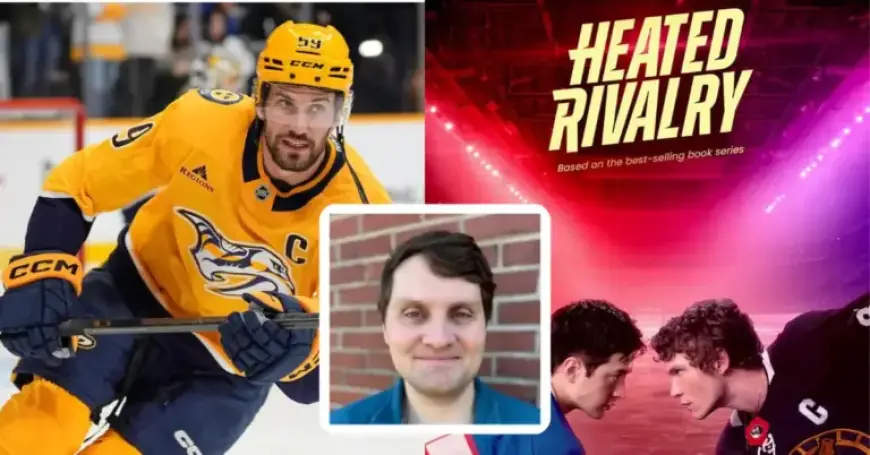
The NHL’s approach to player expression and media conversations has stirred up significant controversy recently. A notable incident involved an NHL media member questioning players about a provocative show titled “Heated Rivalry,” which depicts a fictional relationship between two gay hockey players.
NHL’s Controversial Stance on ‘Heated Rivalry’
“Heated Rivalry” is a mature-rated show available on Crave. It portrays sexual themes, nudity, and profanity, focusing on a secret homosexual relationship between its main characters, Connor Storrie and Hudson Williams. While the NHL has distanced itself from certain pride-related symbols, such as warm-up jerseys and rainbow tape, it supports this explicit content.
Media Interactions Spark Debate
A recent article by Alex Daughtery, a Nashville Predators beat reporter, raised eyebrows. Titled “Have Predators Players Watched ‘Heated Rivalry’?”, it questioned whether players engaged with the show. Critics argue that this line of questioning is inappropriate.
- Critics highlight the focus on explicit content in hockey media.
- Concerns arise over the influence of LGBTQ agenda in sports conversations.
- The show’s promotion is believed to overshadow key issues players face.
Responses from those in the hockey community suggest the media’s obsession with “Heated Rivalry” reflects broader cultural debates. Some believe this trend emphasizes a push for LGBTQ visibility at the expense of athletes’ comfort.
Public Reaction to Media’s Approach
Responses to Daughtery’s inquiries illustrate a divide. While some defend the inclusion of LGBTQ themes in sports, others feel discussions about explicit content are inappropriate for player interviews. Critics argue this focus represents a push to promote specific agendas under the guise of sports media coverage.
The dialogue around “Heated Rivalry” shows the complexity of cultural representation in sports. As both players and fans navigate these issues, the NHL must consider its messaging and the impact on its audience.
Key Points of Concern
- Increased questioning about LGBTQ themes in sports media.
- The appropriateness of discussing explicit content with professional athletes.
- The potential influence of media narratives on player perspectives and public opinion.
The ongoing discussions surrounding “Heated Rivalry” and its reception in the NHL highlight the balancing act between representation and respect within the sport. As the conversation evolves, the responsibility lies with both media and players to define what is acceptable in the realm of sports culture.