Met Opera Launches Urgent Financial Campaign

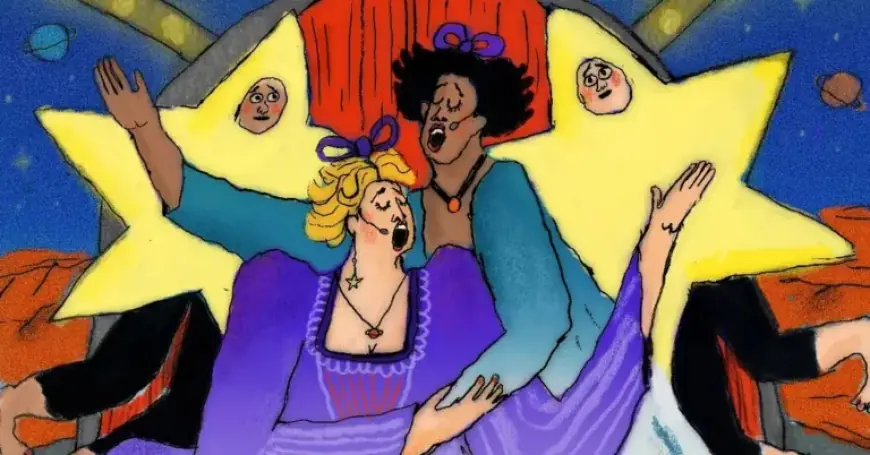
The Metropolitan Opera, facing a significant financial crisis, has reduced its endowment by a third, amounting to a staggering $128 million loss. General Manager Peter Gelb is working tirelessly to secure funding, even pursuing a cash infusion from Saudi Arabia. This initiative has garnered attention but has faced delays and skepticism. At one point, Gelb reached out to tech mogul Elon Musk, proposing an opera in outer space as a humorous plea for aid. Unfortunately, he received no response from Musk.
Met Opera’s Financial Dilemma
With a history spanning 142 years, the Met is the largest performing arts organization in the United States. However, its financial status has worsened alarmingly. Recently, Gelb has sought sponsorship to rename its grand opera house in Manhattan, similar to the Barclays Center model, alongside plans to introduce corporate boxes inside the venue. Moreover, selling the iconic Chagall murals is on the table, provided they remain on display.
The opera company is grappling with severe financial difficulties. Moody’s downgraded its credit rating to below investment grade last year, indicating extremely thin monthly liquidity. Upcoming debt obligations, amounting to tens of millions, complicate the situation further. Gelb, while acknowledging these challenges, remains optimistic about implementing a new business model to stabilize finances.
Recommendations for Financial Stability
- The Met’s budget, the largest of any opera globally at $326 million, has been strained by declining ticket revenues.
- Box office income fell to $70 million last year, significantly lower than the $90 million of a decade ago.
- Live broadcasts have also seen a drop in revenues, decreasing over $10 million from pre-pandemic levels.
The Met’s recent actions include making substantial withdrawals from its endowment, a situation typically avoided by similar institutions. The endowment has decreased from $340 million in 2022 to $212 million today. This reduction has hindered the institution’s earnings capabilities.
Expert Opinions on the Met’s Future
Opinions on the future of the Met vary. While some, like accounting expert Laurence Scot, emphasize the urgency of the situation, others express hope for a turnaround. Hannah Grannemann, an associate professor of arts administration, believes that substantial financial support could emerge from New York stakeholders. Critiques have surfaced regarding Gelb’s management, with calls for new leadership to steer the organization away from its dire straits.
Challenges in Attracting Audiences
Many experts cite the evolving perception of opera as a primary barrier to increasing attendance. Issues such as reduced arts education, competition from various entertainment options, and an aging audience are influencing box office performance. Surprisingly, despite these challenges, the average audience demographic has shifted to younger patrons.
- The average ticket price decreased from $147 to $133 last fiscal year.
- Production costs continue to challenge financial stability, with labor contracts significantly affecting budget allocations.
Future Strategies and Initiatives
In an effort to revitalize ticket sales, Gelb is exploring unconventional revenue methods. This includes renting the opera house for non-operatic events and enhancing live streaming options. Concerts and public performances are being introduced, including potential performances from notable artists like Sting and Bob Dylan.
Moreover, there’s talk of a potential substantial donation from a deceased benefactor, possibly exceeding $100 million, which could further provide financial relief. Gelb remains committed to finding innovative solutions as the Met looks to secure its financial future amidst pressing concerns.
Despite projecting confidence, Gelb recognizes the urgency of finding wealthy patrons willing to support the arts. The Met must navigate these challenges prudently to sustain its legacy and artistic contributions for future generations.