Lance Stroll Missed Qualifying as Aston Martin Battles Honda Vibration Failures

March 6, 2026 at 12: 11 p. m. ET — lance stroll missed qualifying for the Australian Grand Prix after Aston Martin was unable to rebuild his car following a suspected Internal Combustion Engine issue in FP3, confirmed. Unconfirmed as of 12: 11 p. m. ET is whether Honda’s vibration problems and the team’s depleted battery inventory will allow either Aston Martin car to complete the 58-lap race; final-practice telemetry and any battery failures will resolve that question.
Lance Stroll’s Car: Confirmed Mechanical Issue and Immediate Effects
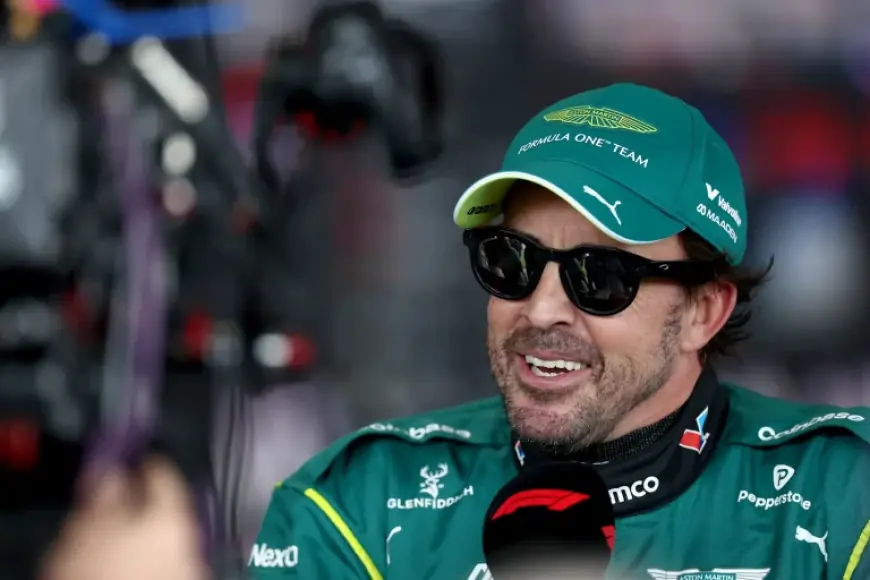
Confirmed: lance stroll suffered a suspected Internal Combustion Engine issue in FP3 and the team was unable to rebuild his car in time for Qualifying, keeping him out of the session. This single confirmed mechanical failure is distinct from Fernando Alonso’s weekend; Alonso qualified provisionally in P17, but Stroll did not take part in the timed session because of the FP3 problem.
Honda’s Battery Countermeasure Confirmed, Vibration Source Still Unresolved
Confirmed: Aston Martin arrived at Albert Park with a severely limited battery stock for Honda’s hybrid power unit and was down to its last two working batteries, with no spares available. Confirmed: engineers discarded two further batteries after a fresh communication problem with the battery management system, leaving one battery per car for the remainder of the weekend. Still, Honda’s chief trackside engineer Shintaro Orihara said the countermeasure tested on the dyno and then fitted at the track produced less battery vibration during second practice; that session’s runs gave enough data for the team to conclude the items implemented were working as hoped, and the two drivers completed a combined 31 laps in that session.
The Final Practice Data That Will Determine Aston Martin’s Weekend
Confirmed: one more battery failure in final practice, qualifying or the race would render the affected car unable to take part in the remainder of the Australian Grand Prix weekend. Newey explained that the underlying problem remains the significant vibrations transmitted from parts of Honda’s power unit into the chassis and, potentially, into drivers’ hands; these vibrations restricted the team’s mileage during preseason testing and at this event. Also confirmed in separate sessions: Fernando Alonso set a 1m 21. 969s lap that briefly put him provisionally into Q2, showing improved pace for the team when running time was available. Unconfirmed as of 12: 11 p. m. ET are the more severe health-related concerns raised about vibration exposure: driver estimates that Alonso could manage about 25 laps and Lance Stroll about 15 laps are initial assessments and remain unverified by medical or engineering clearance.
What to watch next — the precise observable triggers that will resolve these open questions are narrow and specific. First, final-practice telemetry: if onboard sensors show the countermeasure keeps battery vibrations within operational tolerances, the team will be able to increase running. Second, any battery failure in those sessions will immediately reduce or eliminate a car’s ability to continue that weekend. Third, team updates from race engineers and Shintaro Orihara will confirm whether the dyno-derived fixes behave the same under sustained track loads.
Confirmed next event that will move the story: the Sunday 58-lap Australian Grand Prix is the scheduled race that will ultimately test the fixes and the remaining batteries. Conditional — If Honda confirms in final practice that the countermeasure holds and no further batteries fail, both Aston Martin cars are expected to be cleared to start the race by the race start on Sunday.