F1 Teams Revolt Forces FIA to Reverse Straight Mode Change at Australian GP

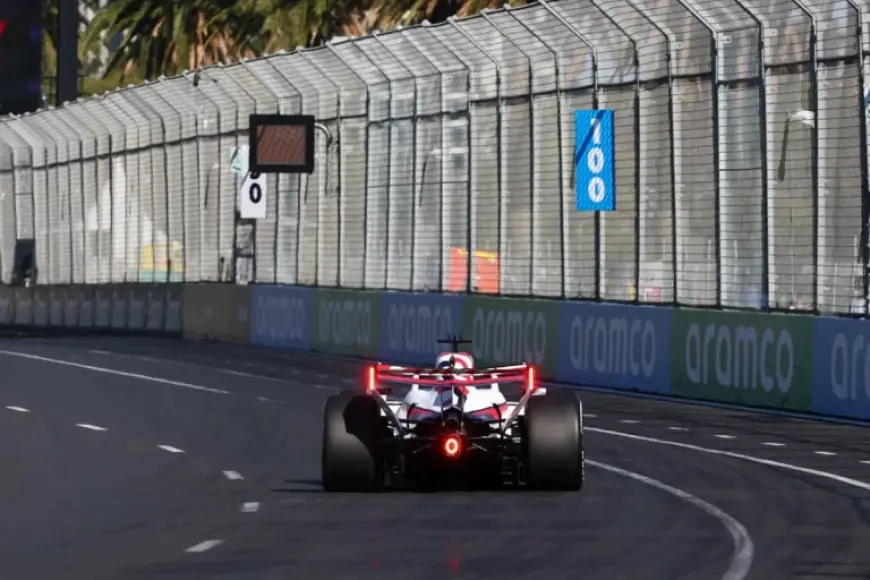
F1 teams and drivers forced the FIA to reverse a planned removal of the Turn 8–9 straight-mode zone at Albert Park after a Saturday morning paddock revolt that highlighted safety and setup implications. Saturday at 10: 00 a. m. ET — f1 teams said the late notice would have forced major setup changes and affected race performance.
F1 Teams Unite Against FIA Straight Mode Removal
Teams were notified on Saturday morning that the FIA intended to drop the straight-mode activation zone that runs to the Turn 9 left-hand kink, a decision that prompted an instant revolt in the paddock. The move came just hours before final practice and would have required teams to rework preparations completed on Friday and in the weeks leading up to the event.
Nikolas Tombazis Explains Safety Rationale and Implementation
FIA single-seater director Nikolas Tombazis said the Turn 8–9 section was removed for safety reasons after data and driver feedback showed some cars struggled for downforce in straight mode. Tombazis said the change would apply starting from FP3 and would also affect qualifying and the race, and he acknowledged that the magnitude of downforce reduction varied between cars.
Setup and Performance Consequences for Albert Park Run to Turn 9
Engineers warned that removing the straight-mode zone would have forced wholesale changes to ride heights, suspension settings, tyre pressures and energy-management settings in the final hour of practice. Teams noted that leaving cars in corner mode down the long run to Turn 9 would increase drag, drain the battery more quickly and raise plank wear and tyre forces.
One team boss said the change would have effectively wasted setup work done through Friday. Initial simulation data shared in the paddock suggested the 2026-spec cars could be dramatically slower on the entry to Turn 9; one source referenced a figure of 50 km/h slower than even Formula 3 cars in that sector under the no-straight-mode scenario.
Drivers had raised the issue during a Friday night briefing because some felt a lack of downforce in straight mode increased the risk of losing control when following other cars. Audi driver Gabriel Bortoleto first highlighted that he could barely make the section flat-out when running alone, a point other drivers backed up in subsequent discussions.
Teams emphasized that active aero deployment is designed differently across car designs and that the FIA’s decision could penalize outfits that had accounted for the Turn 8–9 straight-mode in their packages. Tombazis said a selective fix for only some cars was not robust enough on short notice, which is why the FIA applied the action to all cars rather than to individual entries.
One source in the paddock described the FIA’s initial plan as “nonsense, ” reflecting the scale of operational and performance consequences teams said they would face if the zone were removed without adequate time to reconfigure cars and strategies.
Teams and drivers lobbied the governing body individually and then presented a unified response on Saturday morning, prompting the FIA to backtrack on the planned removal. The straight-mode decision had originally been part of the active aero regulations that nominated five straight-mode areas around the Melbourne parklands circuit: the main straight; the run from the first chicane to Turn 3; between Turns 5 and 6; the sweeping section between Turns 8 and 9; and the burst between Turns 10 and 11.
For now, the FIA has confirmed the Turn 8–9 straight-mode zone will not be dropped during FP3, qualifying or the race; the removal would have taken effect from FP3. FP3 is scheduled later Saturday at 11: 00 a. m. ET, when teams will run with the agreed straight-mode zones in place.