Daylight Saving Time 2026: Clocks Spring Forward Today — What Time Did the Time Change?

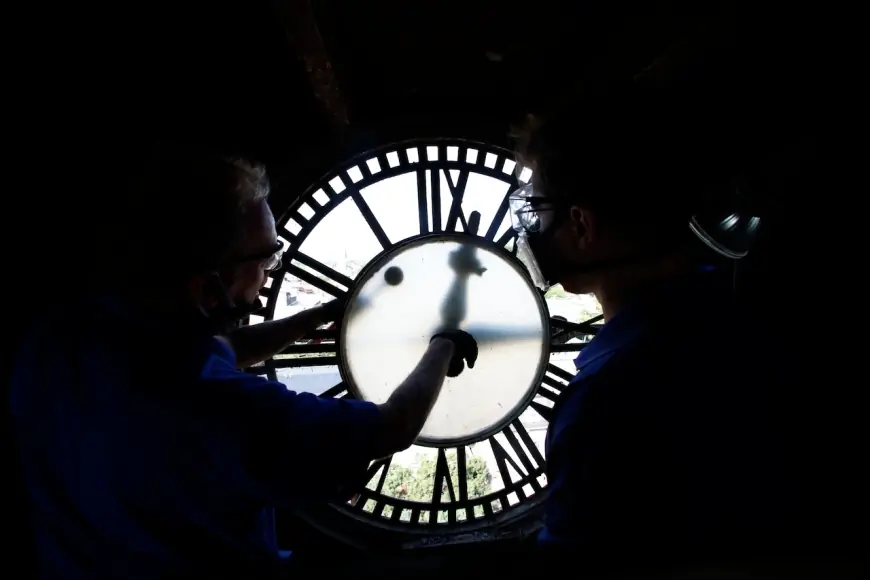
It happened overnight. Daylight saving time 2026 officially began early Sunday, March 8, and most Americans woke up to one fewer hour of sleep. The clocks spring forward today, marking the start of longer, brighter evenings across the country.
What Time Did the Time Change Happen Today?
Daylight saving time 2026 started on Sunday, March 8, at 2 a.m. local time. At that moment, clocks jumped ahead to 3 a.m., meaning the U.S. effectively lost one full hour overnight.
The standard reminder for the spring forward time change is the phrase "spring forward, fall back" — clocks move ahead one hour, and sunrise and sunset will appear roughly one hour later than the day before.
Most smartphones and digital devices updated automatically. If you have a manual clock at home, that is the one that still needs to be adjusted.
Did We Lose an Hour of Sleep? Yes — Here's What Changed
By shifting clocks forward an hour, daylight saving time moves an hour of daylight from the morning to the evening. On Saturday, sunrise in Boston was at 6:09 a.m. and sunset at 5:41 p.m. On Sunday, after the time change, the sun rises at 7:08 a.m. and sets at 6:42 p.m.
The tradeoff is clear: mornings get darker temporarily, while evenings gain noticeably more light. For commuters and families, that extra evening daylight is a welcome shift heading into spring.
When Does Daylight Saving Time End in 2026?
Most Americans will fall back to standard time at 2 a.m. local time on the first Sunday of November, which this year falls on November 1. Daylight saving time will be in effect for 238 days in 2026.
That means DST 2026 runs from March 8 all the way through November 1. Mark those dates now if you want to stay ahead of the next clock change.
Which States Do NOT Observe Daylight Saving Time?
Only two states do not observe daylight saving time: Hawaii and Arizona, with the exception of the Navajo Nation in the northeast part of the Grand Canyon State. The territories of American Samoa, Guam, the Northern Mariana Islands, Puerto Rico, and the U.S. Virgin Islands also do not change their clocks.
If you live in those regions, the time change 2026 did not affect your clocks. Every other state woke up this Sunday to the new DST schedule.
Health Impact of the Spring Forward Time Change
Darker mornings and more evening light knock your body clock out of whack, meaning daylight saving time can cause sleep trouble for weeks. Fatal car crashes temporarily jump in the first few days after the spring time change, with researchers attributing the risk to sleep deprivation.
The American Heart Association points to studies suggesting an uptick in heart attacks on the Monday after daylight saving time begins, and in strokes for two days afterward.
To ease the transition, sleep experts recommend going outside for morning sunshine and shifting meals and exercise routines slightly earlier in the first week.
Is DST Being Eliminated? The Debate Continues
There have been several proposals arguing for an end to daylight saving time, including the Daylight Act of 2026, which calls for modifying clocks by only half an hour. As the debate continues, the annual practice of changing the clocks will continue for the foreseeable future.
The Senate in 2022 unanimously approved a measure to make daylight saving time permanent across the United States, but it did not advance. Until Congress passes and the President signs new legislation, the spring forward and fall back cycle remains the law for most of the country.