Houthis hold back from Israel-US fight, raising stakes for regional escalation

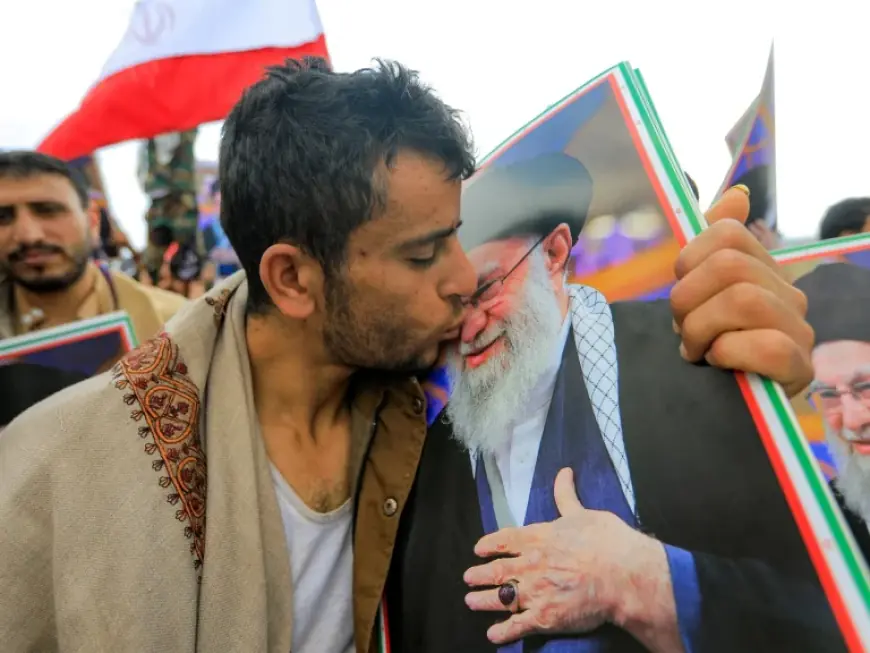
People in Yemen’s Houthi-controlled areas and across the wider Middle East are watching for signs the houthis could expand the Israel-US fight with Iran into new fronts. As of 9: 14 a. m. ET Saturday, the group has kept its involvement to rhetoric and a mass protest, even as its leader warns it is ready to act.
For now, that restraint matters most for cities and corridors already affected by the broader turmoil tied to the Israel-US attacks on Iran, which have reverberated from Tehran into multiple Arab cities including Abu Dhabi, Doha, Kuwait City, Manama, and Beirut. Yemen, by contrast, has remained quiet in the week since the attacks began on February 28.
Houthis signal readiness while Yemen stays comparatively quiet
In recent days, the Iran-backed Houthi movement has intensified its rhetoric in support of Tehran while stopping short of entering the conflict on Iran’s side. Abdul Malik al-Houthi said Thursday that the group was prepared to join a war against the U. S. and Israel if necessary, declaring its “fingers are on the trigger” and it is ready to respond should developments warrant it.
In the same week, the Houthis limited their support for Tehran to rhetoric and a mass protest denouncing the strikes. Houthi chief Abdel-Malik al-Houthi also said this week that “Yemen stands clearly with the Islamic Republic of Iran and the Muslim Iranian people, ” while emphasizing that escalation could occur at any moment depending on developments.
Analysts cited in recent coverage described the current posture as cautious rather than passive, with one senior analyst saying Houthi intervention remains possible and could unfold as a “phased escalation. ” That analyst said the group’s immediate priority is avoiding direct U. S. and Israeli retaliation.
Abdul Malik al-Houthi rhetoric rises as fears of retaliation shape strategy
One explanation offered for the restraint is the Houthis’ concern about the costs of renewed airstrikes and leadership losses. Last August, Israeli strikes killed at least 12 high-ranking Houthi government members in Sanaa, including Prime Minister Ahmed al-Rahawi and chief of staff Mohammed al-Ghumari. Those losses were described as among the heaviest the group has endured during its confrontation with the U. S. and Israel, and they have been linked to greater caution inside the movement’s leadership.
Analysts also pointed to fears tied to Israeli intelligence and the risk of leadership “decapitation. ” Even with those concerns, the group was described as not entirely incapacitated and still capable of launching assaults on adversaries.
One Yemeni political commentator said Yemen’s Houthis would enter the war if Iran requests it, adding that Tehran does not want to use all its options at once and aims to save the Houthi group for a later phase. The commentator also said the group is preparing for war in Sanaa and other areas it controls, arguing it would not remain on the sidelines indefinitely if the Israeli-American attacks on Iran do not stop.
IDF sources weigh why the Houthis have not yet attacked Israel
IDF sources on Thursday expressed surprise that Yemen’s Houthis had not attacked Israel as part of the wider regional conflict. Those it had been expected by many in the IDF that the Houthis would join once Iran’s former supreme leader Ayatollah Ali Khamenei was assassinated, or alternatively once Hezbollah joined on Monday.
Within Israel’s defense establishment, several theories were circulating about the continued restraint. One was that the group is staying out because the U. S. is involved in this round of fighting. Another was that the Houthis may believe Iran is too weakened to provide assistance. Still, the same discussion included the possibility that the Houthis could still join the conflict.
Separate reporting described the Houthis as the longest-lasting of Iran’s proxies during the 2023–2025 war, continuing to fire on Israel until an October 2025 permanent Hamas ceasefire.
The next shift depends on a clear trigger rather than rhetoric alone: analysts said the Houthis would likely resume attacks if they were directly drawn into the conflict through U. S. or Israeli strikes, or through a renewed domestic advance by anti-Houthi forces in Yemen.